
Blooming
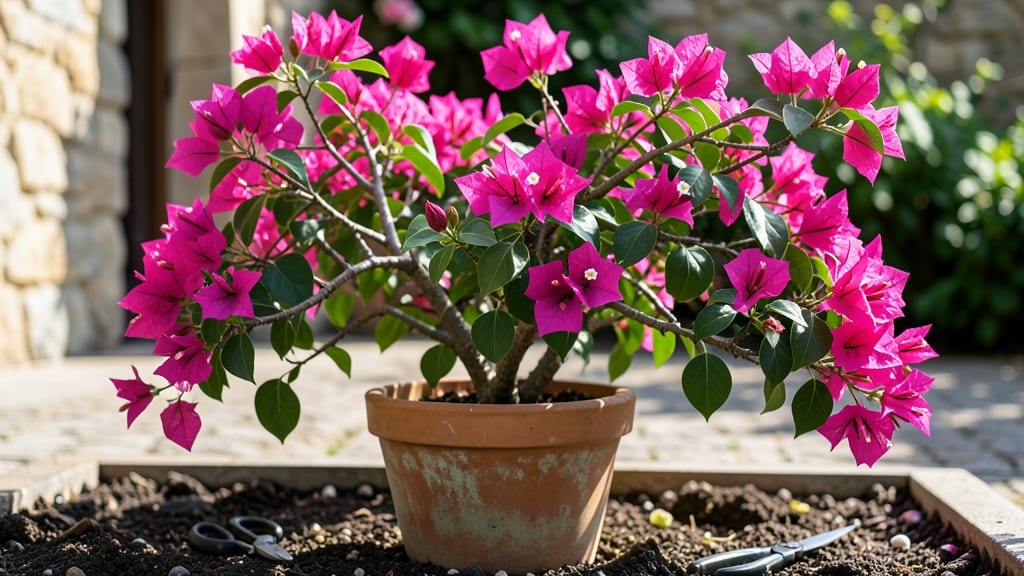
Your bougainvillea blooming season could stretch from spring to frost—if you know the secret triggers. 🌸 These vibrant pink pom-poms thrive when temperatures stay above 60°F consistently, which is why tropical climates see year-round blooms while temperate zones get bursts in summer and fall.
The key isn't just heat, though—it's how you prep the plant for that magic moment when buds burst open.
Here's the thing: bougainvillea blooms on new growth, so pruning in late winter (before new shoots appear) sets the stage for 6-8 weeks of nonstop color. In colder zones, a little winter protection—like wrapping the plant or moving pots indoors—keeps it alive for next season's show.
I've seen mine push out buds even in 50°F weather if they've had proper summer care.
What you end up with is a plant that rewards patience with bold, papery blooms that last weeks longer than most flowers. The trick is keeping it slightly thirsty (water when soil is bone-dry) and feeding it every 4-6 weeks with a bloom-boosting fertilizer.
That's all it takes to turn a "summer-only" plant into a year-round star.
Works in pots, hanging baskets, or as a climbing accent—just give it 6+ hours of sun daily. Here's how to time your pruning, feeding, and watering for maximum impact, no matter where you garden.
📚 In This Guide
- What you need
- Instructions
- Tips and common mistakes
- Wrapping up and next steps
What you need
- ● Bougainvillea plants: 1-3 mature plants (dwarf varieties like ‘Miss Huff’ or standard types like ‘San Diego Red’ for fuller blooms)
- ○ Optional: Grafted varieties for disease resistance (e.g., ‘California Gold’)
- ● Well-draining potting mix: 50% cactus/succulent soil + 30% perlite/pumice + 20% compost (for containers)
- ● For in-ground planting: Amend native soil with 20% coarse sand or gravel
- ● Fertilizer: Balanced 10-10-10 or 20-20-20 fertilizer (diluted to half-strength)
- ○ Optional: Slow-release granules (e.g., Osmocote) for seasonal feeding
- ● Pruning tools: Bypass pruners (for clean cuts)
- ● Loppers (for thicker stems)
- ○ Optional: Disinfectant (rubbing alcohol or bleach solution) to sterilize tools
- ● Support structures: Trellis, arbor, or sturdy stakes (for climbing varieties)
- ○ Optional: Container with drainage holes (10–15 gallons for mature plants)
- ● Watering supplies: Drip irrigation or soaker hose (to avoid wetting foliage)
- ○ Optional: Moisture meter for container-grown plants
- ● Safety gear: Gloves (thorns are sharp!)
- ● Long sleeves/pants (for sun protection)
- ● Full sun: At least 6–8 hours of direct sunlight daily (partial shade may reduce blooms)
- ● Climate: Thrives in USDA Zones 9–11; container-grown plants can be overwintered indoors in cooler zones
- ● Drainage: No soggy soil! Ensure slopes or raised beds if planting in-ground
How to maximize bougainvillea's vibrant blooming season
Here’s how to coax those stunning pink pom-poms into full, year-round display with minimal effort.
☀️ Step 1: Position for Full Sun Exposure
Bougainvilleas thrive in bright, direct sunlight—at least 6-8 hours daily. I plant mine against a south-facing wall where they get unfiltered morning sun and gentle afternoon warmth. If your climate has harsh midday heat, a dappled shade during peak hours prevents leaf scorch while still encouraging blooms.
Watch for leggy growth—stems stretching toward light—this means your plant isn’t getting enough sun. Rotate the pot quarter-turn weekly so all sides grow evenly. In cooler climates, move containers indoors during winter if temperatures drop below 40°F, but keep them near a south-facing window for maximum light.
💧 Step 2: Water Deeply but Infrequently
Bougainvilleas hate soggy roots, so water only when the top 2-3 inches of soil feel dry. I stick my finger in the soil—if it’s damp, wait another day. Overwatering causes root rot, which kills blooms faster than anything. When you do water, soak thoroughly until water runs from the drainage holes. This encourages deep root growth, which supports more flowers.
During blooming season, I water every 3-4 days in heat waves, but cut back to once a week in cooler months. Yellowing leaves? That’s your cue to adjust—either too much water or not enough. Bougainvilleas are drought-tolerant once established, so underwatering is better than overwatering.
✂️ Step 3: Prune Strategically for More Blooms
Pruning isn’t just for shaping—it’s how you force more flowers. Cut back overly long stems in early spring by one-third to encourage bushier growth. I use clean, sharp pruners and make cuts just above a leaf node (where new growth emerges). Avoid cutting into old wood—blooms only form on new growth, so prune after the last frost when temperatures stay above 55°F.
Deadhead spent blooms regularly—pinch off faded flowers with your fingers or snips. This redirects the plant’s energy into producing fresh blooms instead of seeding. I do this weekly during peak season. If your bougainvillea looks woody and bare, it’s time for a harder prune—cut back half the plant in late winter to stimulate vigorous regrowth.
🌿 Step 4: Feed with the Right Fertilizer
Bougainvilleas bloom best with low-nitrogen, high-phosphorus fertilizer—think 10-20-10 or 5-10-5 ratio. I use a balanced bloom booster every 4-6 weeks during growing season (spring through fall). Too much nitrogen makes lush leaves but fewer flowers. Apply fertilizer after watering to prevent root burn, and always follow label instructions.
Stop fertilizing in late summer—this gives the plant time to harden off before winter. In cooler months, I switch to a light application of compost around the base for slow-release nutrients. If you see slow growth or pale leaves, it’s time to feed again. Bougainvilleas are heavy feeders, but less is more—over-fertilizing stresses the plant.
⏰ Step 5: Protect from Frost and Pests
Bougainvilleas cannot tolerate frost—even a light freeze kills blooms and damages stems. In colder climates, bring containers indoors or wrap outdoor plants in burlap before temperatures drop below 32°F. If you must leave them outside, choose a sheltered spot like against a wall or under an eave. Mulch the base with 2-3 inches of straw for extra insulation.
Watch for aphids or mealybugs, which suck sap and weaken blooms. I spray plants with neem oil (mixed per label) if I spot sticky residue or white cottony patches. For severe infestations, prune affected stems and dispose of them away from the garden. Healthy bougainvilleas are less attractive to pests, so keep up with watering, pruning, and fertilizing to stay ahead.
Tips & tricks for perfect bougainvillea blooms
Transforming your bougainvillea into a year-round floral show requires a few strategic tweaks that most gardeners overlook.
Sunlight Strategy: The 6-8 hours of direct sunlight mentioned in Step 1 is non-negotiable, but here's what I've learned: Morning sun (6am-10am) is more critical than afternoon sun. If you notice your plant leaning toward the sun, it's begging for more light. I've found that placing reflective surfaces like white gravel or a light-colored wall nearby can help bounce extra light onto the plant without adding direct heat. This works especially well for container plants that can't be moved easily.
Pruning Precision: When you're pruning those overly long stems in Step 3, aim for a 45-degree angle just above a leaf node. This creates a larger surface area for new growth to emerge. I've ruined several bougainvilleas by cutting too close to the node—new shoots won't develop if you sever the growth point. Also, don't be afraid to get bold with your winter pruning. Cutting back half the plant sounds drastic, but it forces the plant to focus its energy on producing fresh, vibrant blooms rather than maintaining old growth.
Watering Wisdom: The finger-in-the-soil test from Step 2 is brilliant, but here's a pro move: Use a moisture meter for containers. These inexpensive tools give you precise readings and prevent guesswork. I've noticed that bougainvilleas in containers dry out faster than in-ground plants, so I water mine when the meter reads 2-3 inches down. For in-ground plants, stick with the finger test but check multiple spots—soil moisture varies dramatically even inches apart.
Fertilizer Timing: That 4-6 week feeding schedule in Step 4 is perfect, but I've found the timing matters more than most realize. Apply fertilizer right after your weekly watering session—this prevents burn and lets the plant absorb nutrients immediately. I also like to use a slow-release bloom booster pellet in the soil during spring planting. These pellets release nutrients gradually over 3-4 months, reducing the need for frequent applications. Just be sure to follow the package instructions for the right amount.
Pro Tips for Bougainvillea Blooming Season
- Transforming your bougainvillea into a year-round floral show requires a few strategic tweaks that most gardeners overlook.
- Sunlight Strategy: The 6-8 hours of direct sunlight mentioned in Step 1 is non-negotiable, but here's what I've learned: Morning sun (6am-10am) is more critical than afternoon sun.
- Pruning Precision: When you're pruning those overly long stems in Step 3, aim for a 45-degree angle just above a leaf node.
Frequently asked questions
Got questions about bougainvillea’s vibrant blooming season? You’re not alone! Here are some common queries—and their sun-soaked answers—to help you grow the most stunning, long-lasting flowers.
When is the best time to plant bougainvillea for year-round blooms?
Plant bougainvillea in spring or early summer (after the last frost) for optimal blooming. In warmer climates (zones 9-11), you can plant year-round. Give it full sun (6+ hours daily) and well-draining soil to encourage continuous flowering. Pro tip: For tropical regions, winter pruning can kickstart spring blooms!
Why isn’t my bougainvillea blooming even though it’s summer?
Bougainvilleas need three key triggers to bloom: sun, stress (like drought), and pruning. If blooms are missing, check for:
- Too much water (let soil dry between waterings).
- Shady spot (move to full sun).
- No pruning (trim leggy growth in early spring).
Bonus: Fertilize lightly with low-nitrogen, high-phosphorus feed (like 5-10-10) to boost blooms!
Can bougainvillea bloom indoors, or is it strictly an outdoor plant?
While bougainvilleas thrive outdoors, they can bloom indoors with the right care:
- Bright light (south-facing window or grow lights).
- Warmth (60°F+; avoid drafts).
- Drought stress (water only when soil is bone-dry).
Expect smaller, less frequent blooms than outdoor plants. For best results, grow in a large container with drainage.
How often should I prune bougainvillea to keep it blooming?
Prune 2-3 times a year for continuous blooms:
- Spring (late winter): Trim dead/weak growth to shape the plant.
- Summer (after blooming): Light pruning to encourage new branches.
- Fall (mild climates): Light trim to prep for winter (skip in frost-prone areas).
Always cut just above a leaf node (where new growth emerges). Warning: Avoid heavy pruning in fall—it can delay spring blooms!
Can I change my bougainvillea’s flower color from pink to purple or orange?
Bougainvillea’s bracts (colorful “petals”) are genetically set, but you can influence intensity:
- Sunlight: More sun = deeper, brighter colors.
- Water stress: Slight drought can enhance vibrancy.
- Variety choice: Pick a different cultivar (e.g., ‘San Diego Red’ for magenta or ‘Golden Wonder’ for yellow-orange bracts).
Fun fact: The actual flowers are tiny white blooms—it’s the bracts that steal the show!
Wrapping up and next steps
Ready to transform your space into a vibrant paradise? 🌸 The bougainvillea blooming season can be a year-round spectacle with the right care—whether you’re pruning for bursts of color, adjusting sunlight, or troubleshooting pests.
Embrace the joy of nurturing these sun-loving beauties, and soon, your garden will be a living canvas of pink, purple, and orange pom-poms!
Now that you’re armed with tips, why not take the next step? Start with a single plant, experiment with varieties, or even share your progress with fellow plant enthusiasts. Your bougainvillea adventure is just beginning—let the blooms begin! 🌿✨