
Container Gardens
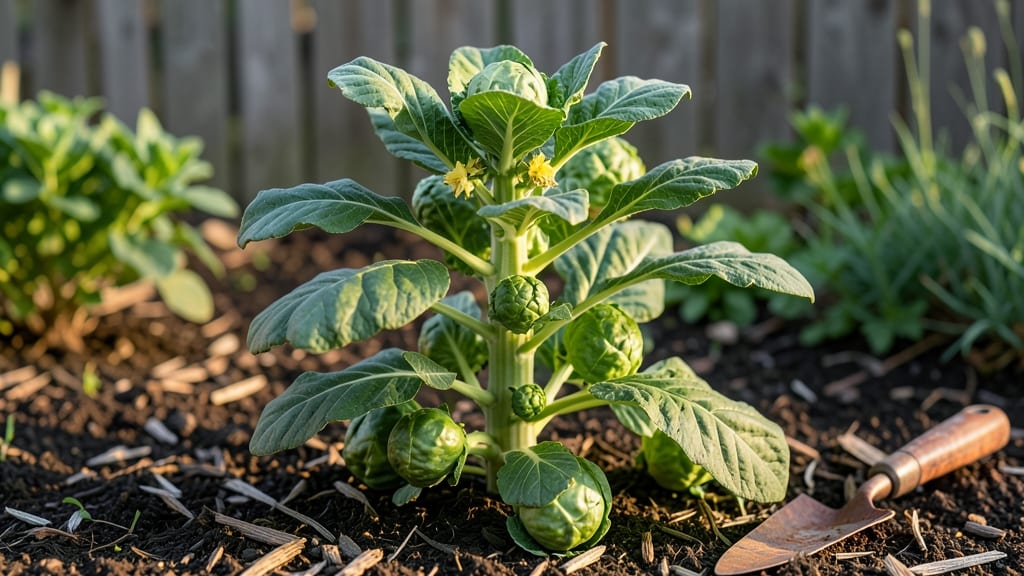
The brussel sprouts growing season is all about timing—plant too early or too late, and you’ll end up with bitter, stunted 🥦 instead of the sweet, crisp harvests you crave.
Picture this: you’ve spent weeks nurturing your seedlings, only to watch them bolt in the heat or rot in the cold. The difference between success and disappointment often comes down to knowing your zone’s frost dates and the exact window for planting.
In Zone 6a (like General’s default), the sweet spot is late March to early April for spring planting or early August to mid-September for a fall crop.
But if you’re in a warmer zone, extending the season with shade cloth or succession planting can mean a second harvest before winter sets in.
Below, I’ll break down the exact planting timeline for your climate, how to prep soil for maximum flavor, and the companion plants that keep pests at bay—so you can enjoy a steady supply of homegrown sprouts from October through December.
Brussels sprouts planting timeline by USDA climate zones
Timing is everything when growing Brussels sprouts, and your USDA climate zone determines the perfect window for planting. These cool-season crops thrive in temperatures between 45°F and 75°F, making early spring and late summer the ideal planting periods.
In zones 3-5, you’ll have two distinct planting opportunities, while zones 6-8 can stretch their season slightly, and zones 9-10 must focus on fall planting to avoid summer heat stress.
For 80-100 day varieties, calculating your first frost date and working backward ensures you’ll harvest before winter sets in. Most Brussels sprouts varieties need 90-120 days to maturity, but cooler temperatures slow growth, so adjust your timeline accordingly.
Whether you’re direct sowing seeds or using transplants, knowing your zone’s exact frost thresholds is critical to avoiding bitter, underdeveloped sprouts.
Brussels sprouts tolerate light frost and actually sweeten after a 28°F touch, but prolonged cold or extreme heat will stunt growth. In zones 3-5, aim for a spring planting window that allows 100 days before your first frost, while fall planting should give you 80 days before winter arrives. Zones with milder winters (like zones 9-10) can plant in late summer for a fall harvest, but avoid planting when soil temps exceed 80°F.
| USDA Zone | Spring Planting Window | Fall Planting Window | Frost Threshold | Maturity Days | Notes |
|---|---|---|---|---|---|
| Zones 3-5 | Mid-April to late May | Late July to early August | 28°F (tolerates light frost) | 90-120 days | Plant after soil reaches 45°F; harvest before hard frost. |
| Zones 6-8 | Early April to mid-May | Mid-July to late August | 30°F (tolerates light frost) | 80-100 days | Avoid planting when soil temps exceed 80°F; use shade cloth if needed. |
| Zones 9-10 | N/A (too hot) | Late August to mid-September | 32°F (light frost sweetens sprouts) | 80-90 days | Focus on fall planting; use row covers for early frost protection. |
In zones 3-5, start direct sowing seeds as soon as the soil warms to 45°F in early spring, typically around mid-April. For transplants, wait until late April to early May when nighttime temperatures stabilize above 50°F.
Your goal is to have mature sprouts ready by October, before the first hard frost. If you’re planting for a fall harvest, aim for late July to early August—this gives your plants enough time to mature before winter arrives.
Gardeners in zones 6-8 have a slightly longer window for spring planting, with early April being ideal for direct sowing. If you’re using transplants, wait until late April to ensure they establish roots before summer heat sets in.
For fall planting, mid-July to late August is perfect, allowing you to harvest before the first frost in November. In these zones, avoid planting when soil temperatures exceed 80°F, as this can cause poor germination and stunted growth.
For those in zones 9-10, spring planting is not recommended due to extreme heat, but fall planting is your best bet. Start seeds or transplant in late August to mid-September to ensure a harvest before winter.
These zones benefit from row covers or shade cloth to protect young plants from unexpected cold snaps. Since Brussels sprouts thrive in cooler weather, the fall season is ideal for achieving sweet, flavorful sprouts.
To calculate your exact planting dates, use your average last frost date as a starting point. For 90-day varieties, subtract 90 days from your first frost date to find your latest planting window.
For example, if your first frost is November 15, your latest planting date would be around August 15. Adjust for 80-day varieties by adding 10 days to this window. Always monitor soil temperatures—they should be below 80°F for optimal growth.
Pro tip: Use succession planting in zones with mild winters to extend your harvest. Plant a second batch in late summer for a fall harvest, then let the first batch overwinter for an early spring harvest.
This technique works especially well in zones 6-8, where winters are cold but not extreme. Just be sure to protect your plants with row covers if frost is forecasted.
Brussels sprouts are a rewarding crop when planted at the right
How to extend your brussels sprouts growing season in warm climates
Living in USDA zones 9-10 means traditional spring planting often fails for brussels sprouts—but that doesn’t mean you can’t grow them! The key is shifting to fall/winter planting when temperatures drop.
With the right timing and techniques, you can enjoy crisp, flavorful harvests even in warm climates where summer heat would normally kill these cool-season plants.
My secret? A combination of late-season planting, shade protection, and succession planting to stretch your harvest window. These methods let you grow brussels sprouts when other gardeners in hotter zones give up—often producing sweeter, more tender sprouts that thrive in cooler weather.
Let’s break down exactly how to make it work in your garden.
- 1 Plant in late summer (August-September) for a fall harvest before winter sets in. Aim for seedlings that mature 6-8 weeks before first frost—typically by mid-October in zones 9-10.
- 2 Use 30-50% shade cloth during peak afternoon heat (12 PM–4 PM) to prevent bolting. Remove cloth as temps drop below 85°F to ensure proper growth.
- 3 Cool soil temperatures (below 75°F) are critical. Use black plastic mulch or straw mulch to regulate soil heat and retain moisture during dry spells.
- 4 Practice succession planting every 2-3 weeks from August through October. This ensures a staggered harvest and maximizes your garden space.
- 5 Choose compact varieties like ‘Long Island Improved’ or ‘Ruby’ for warmer zones. These tolerate heat better than standard varieties and produce smaller, sweeter sprouts.
One of my favorite tricks is using drip irrigation on a timer to keep soil consistently moist without overheating the plants. Brussels sprouts need 1-2 inches of water weekly, but in zones 9-10, evaporation happens fast.
A simple soaker hose or drip system set to run early in the morning prevents stress and bolting.
Don’t overlook the power of companion planting to protect your brussels sprouts. I always plant them near bush beans or lettuce, which shade the soil and reduce temperature fluctuations. Avoid planting near tomatoes or peppers, as they compete for nutrients and can stunt growth.
With these strategies, you’ll enjoy a longer harvest window and sweeter-tasting sprouts than you’d get from spring planting.
Finally, embrace the winter harvest if you’re in zone 10. After a light frost, brussels sprouts actually sweeten and become more tender. Just cover plants with frost cloth on cold nights to protect them while letting them experience the beneficial chill. This extends your harvest well into December!