
Planting
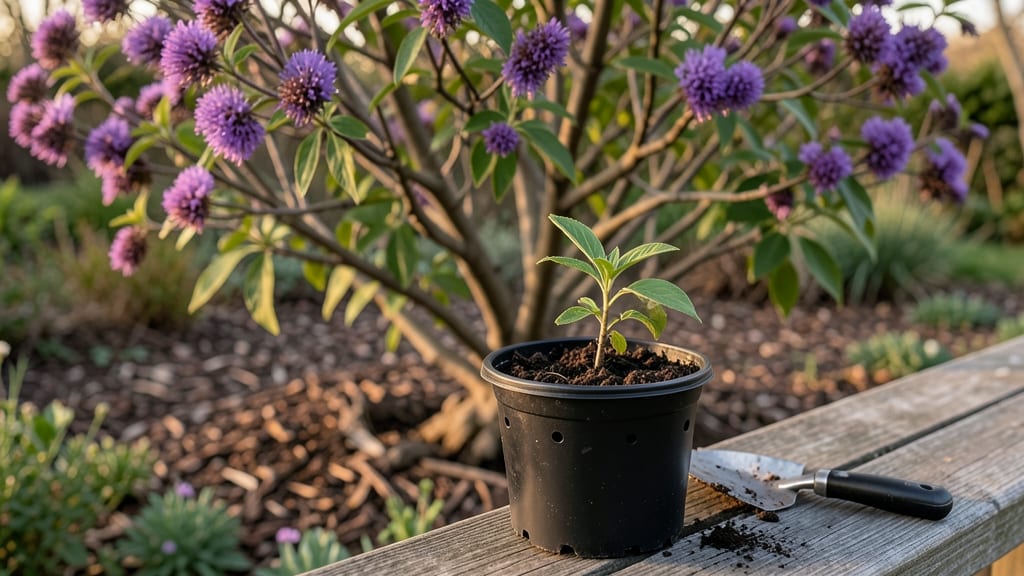
Butterfly bushes grow best in USDA planting zones 5 through 9, with peak performance in zones 6 to 8 where temperatures stay balanced year-round. Strategic placement in sheltered areas can help them thrive even outside these ideal ranges.
These hardy shrubs handle cold snaps down to -20°F in zone 5, but their growth slows dramatically in harsh winters. 🌿 Meanwhile, zone 9's hot summers can stress them without proper afternoon shade.
I've seen gardeners in zone 4 successfully grow butterfly bushes by planting them against south-facing walls, where the extra warmth creates a microclimate that mimics zone 5 conditions.
The key is understanding your specific frost patterns and soil drainage—both play huge roles in pushing these plants beyond their official hardiness limits.
For those in zone 10 or warmer climates, look for heat-tolerant varieties like 'Moonlight' that handle intense sun better. The real secret lies in observing your local weather patterns—even a small garden can have multiple microclimates where butterfly bushes might flourish unexpectedly.
💡 In This Article
- USDA Zones 5-9: Butterfly Bush Hardiness Breakdown
- Microclimate Strategies for Cooler or Warmer Zones
USDA zones 5-9: butterfly bush hardiness breakdown
Butterfly bushes (Buddleia spp.) have a remarkable cold tolerance that stems from their native habitats in mountainous regions of China and North America, where they endure winter temperatures down to -20°F.
This explains why they thrive in USDA zone 5, where the coldest winter temperatures average between -20°F and -10°F. The plant's woody stems contain specialized cells that produce antifreeze proteins, similar to those found in some evergreen trees, which prevent ice crystal formation in their tissues during freezing nights.
The real growth sweet spot occurs in zones 6 through 8, where winter lows rarely drop below 0°F and summers provide 60-90 days of temperatures above 70°F. In these zones, butterfly bushes enter full bloom cycles, producing their signature tubular flowers that attract pollinators.
The plant's natural dormancy period aligns perfectly with these moderate climates. 🌸 What's fascinating is how the plant's growth rate correlates with temperature: in zone 6, you'll typically see 3-4 feet of growth per year, while in zone 8, growth can reach 5-6 feet annually when given proper care.
Zone 9 presents different challenges as summer heat becomes the limiting factor. While butterfly bushes can handle temperatures up to 100°F, prolonged exposure above 90°F causes leaf scorch and flower bud drop. The plant's native adaptation to cooler climates means it lacks the heat tolerance found in desert-adapted species.
This is why afternoon shade becomes crucial in southern climates - it can extend the plant's lifespan by 30-40% compared to full-sun exposure.
To determine your exact USDA zone, consult the USDA Plant Hardiness Zone Map and cross-reference with your local weather station data. Many gardeners find their actual microclimate differs by 1-2 zones from the official map designation.
For example, a zone 5 garden might have a south-facing slope that creates zone 6 conditions, while a frost pocket could drop to zone 4 temperatures.
The plant's ability to regenerate from its root crown means even if the tops die back in harsh winters, new growth emerges in spring. This resilience explains why butterfly bushes often survive in zone 4 gardens when planted in protected microclimates.
The key biological mechanism here is the plant's ability to store carbohydrates in its roots during dormancy, which fuels rapid regrowth when temperatures rise above 50°F in spring.
For visual identification, look for the plant's distinctive lance-shaped leaves that grow in opposite pairs along the stems. The mature height typically ranges from 6-10 feet, though dwarf varieties stay under 3 feet.
This growth pattern helps identify whether you have a cold-hardy cultivar or a more heat-sensitive variety.