
Advice
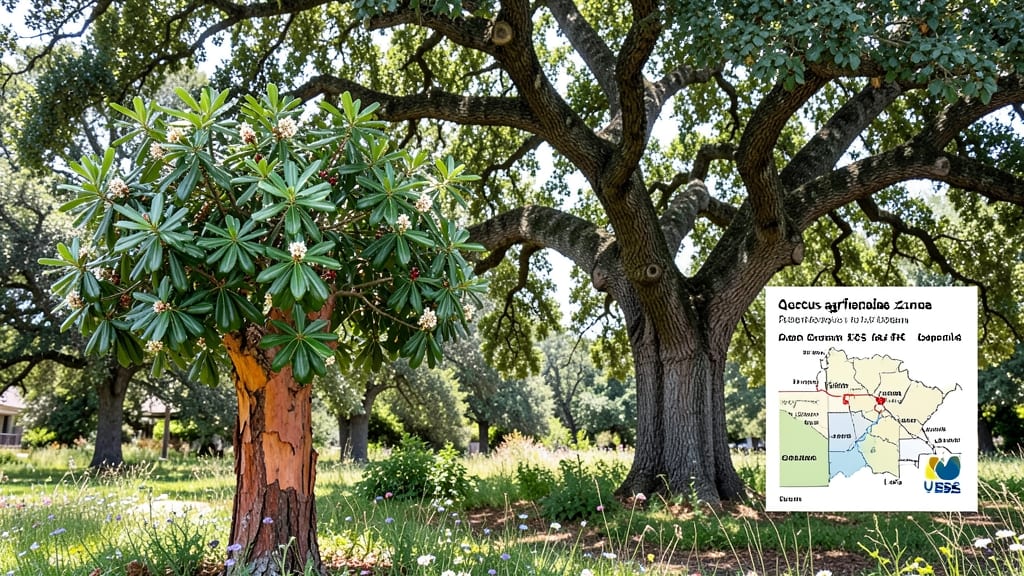
Understanding California gardening zones is essential because they range from USDA Zone 5 in high mountain regions to Zone 11 in coastal deserts, with most areas falling between Zones 7 and 10. Your planting schedule should align with these zones—cooler coastal areas thrive in Zones 9-10, while inland valleys typically suit Zones 8-9, and desert regions lean toward Zone 10-11 timelines. Always check your local frost dates for the most accurate guidance.
California's diverse geography creates these distinct gardening zones, where coastal fog keeps temperatures mild in areas like San Francisco (Zone 9b), while inland valleys like Sacramento (Zone 8b) experience hotter summers. 🌵 The high desert regions, such as Death Valley, push into Zone 11, where frost is rare and planting can happen year-round.
This variation means your garden's success depends on knowing your specific microclimate—whether you're in a foggy coastal town or a sunbaked desert oasis.
For practical planting, cooler Zones 7-8 (like those in the Sierra foothills) allow for early spring starts, while Zones 10-11 (common in Southern California) often support year-round growth.
Many gardeners in transitional zones, such as Los Angeles (Zone 10a), adjust by planting heat-tolerant varieties or using shade cloth during peak summer months.
The key is matching your plants to your zone's natural rhythm—whether that means sowing seeds in winter for spring blooms or sticking to drought-resistant species in arid areas.
💡 In This Article
- How California’s Microclimates Affect USDA Gardening Zones
- Best Planting Months by California Gardening Zone
How california’s microclimates affect USDA gardening zones
California’s gardening zones aren’t just about latitude—they’re shaped by dramatic microclimates where geography plays a starring role. The Pacific Ocean creates a coastal fog belt that keeps cities like San Francisco (Zone 9b) 10-15°F cooler than inland areas just 50 miles away.
This marine layer can persist year-round, delaying spring planting by 4-6 weeks compared to desert regions. Meanwhile, inland valleys like Sacramento (Zone 8b) experience temperature inversions where cold air settles in low areas, creating localized frost pockets even in milder zones.
The Sierra Nevada mountains introduce another layer of complexity. Elevation drops of just 1,000 feet can shift zones by 2-3 levels—think Zone 7 at 3,000 feet versus Zone 5 at 5,000 feet in the same county.
Palm Springs (Zone 10b) enjoys 300+ frost-free days annually, while nearby Palm Desert (Zone 11a) sees even longer growing seasons. These microclimates explain why a tomato plant thriving in your backyard might struggle just 10 miles inland due to sudden heat spikes or soil differences.
Urban areas add their own variables. Concrete and asphalt in cities like Los Angeles absorb heat, creating urban heat islands that can push microclimates into higher zones than official USDA maps suggest.
Meanwhile, rural high-desert regions like Ridgecrest (Zone 7b) experience extreme diurnal shifts—90°F days dropping to 40°F nights—requiring cold-hardy plants. The ocean’s cooling influence extends 20-30 miles inland in some areas, while mountain slopes create wind tunnels that dry out soil faster than valley floors.
Here’s how these factors translate to real-world gardening: In Zone 9b coastal areas, you might plant lettuce in October for winter harvests, while Zone 10b desert gardeners sow the same crop in November to avoid bolting.
The key is understanding your local frost dates—San Francisco’s last frost averages January 15, while Palm Springs rarely sees frost. Elevation matters too: A Zone 8 garden at 2,000 feet might need 2 weeks earlier planting than one at sea level.
For precise planning, consider these regional adjustments:
- Coastal (Zones 9-10): Plant heat-sensitive crops like peas in late winter to avoid summer wilting
- Inland Valleys (Zones 8-9): Use shade cloth for summer vegetables to prevent heat stress
- Desert (Zones 10-11): Choose drought-tolerant succulents that thrive on 50% less water than traditional plants
The takeaway? California’s zones aren’t static—they’re a puzzle where elevation, ocean currents, and urban heat all play a part. Start by checking your exact USDA zone (find it via this tool), then observe your local microclimate for 2-3 years to refine your planting schedule. That foggy morning in April might be your cue to hold off on tomatoes—while your desert neighbor is already harvesting theirs! 🌿