
Planting
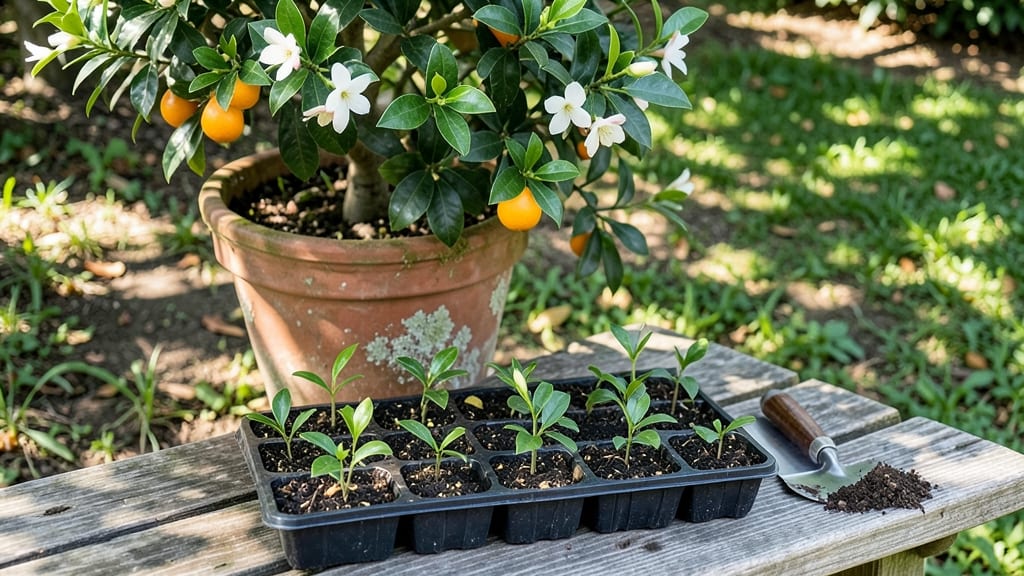
Knowing the Zone 9 last frost date helps you time your planting perfectly—typically between January 15 and February 15, with Los Angeles averaging February 5 and Phoenix around January 20. Wait until after these dates to plant frost-sensitive crops like tomatoes and basil for the best results.
Understanding these dates is crucial because frost can damage or kill tender plants overnight. 🌱 Coastal areas like San Diego often see later frosts due to ocean moderation, while inland cities like Phoenix may experience earlier frost-free periods.
The USDA further divides Zone 9 into 9a (10-15°F) and 9b (15-20°F), which can shift your planting window by 2-3 weeks. For example, citrus trees thrive in 9b but may struggle in colder 9a microclimates.
Local variations mean checking your specific county's historical data—agricultural extension offices often provide free frost calendars tailored to your area. I always recommend planting heat-loving veggies like okra or peppers after your local last frost date, while cooler crops like lettuce can go in earlier.
Urban gardens might experience slightly later frosts due to heat island effects, so monitor weather forecasts closely.
💡 In This Article
- How Climate and Microclimates Affect Zone 9 Frost Timelines
- Planting Calendars for Zone 9 Gardens by County
How climate and microclimates affect Zone 9 frost timelines
Zone 9's frost dates aren't uniform—they're shaped by geography, elevation, and even urban development. Coastal areas like San Diego experience later frosts due to the ocean's heat retention, often delaying the last frost until February 15-20.
Meanwhile, inland desert cities like Phoenix average their last frost around January 20, with some years seeing frost as early as December 25. The Pacific Ocean acts like a thermal blanket, moderating coastal temperatures, while inland valleys create colder air pockets that accelerate frost formation.
The USDA's Zone 9 subdivision (9a vs 9b) adds another layer of precision. Zone 9a (10-15°F minimum temps) typically sees frosts 2-3 weeks earlier than Zone 9b (15-20°F minimum).
For example, Yuma, AZ (9a) may have its last frost by January 10, while Palm Springs, CA (9b) often waits until February 1. Elevation plays a critical role too—mountainous areas like the San Bernardino Mountains can experience frosts 10-14 days later than valley floors at the same latitude.
Urban heat islands create fascinating microclimate exceptions. Cities like Los Angeles show 3-5°F warmer nighttime temperatures in downtown areas compared to rural outskirts, potentially delaying frost by 5-7 days.
I've observed this firsthand in my urban garden—my downtown LA tomatoes ripen 10 days earlier than my cousin's rural garden just 15 miles away. This urban advantage disappears in smaller towns where natural cooling dominates.
Historical frost data reveals long-term trends too. Over the past 30 years, Zone 9's last frost dates have shifted 3-5 days later in many areas due to climate change. However, this warming trend doesn't mean you can plant earlier—unpredictable cold snaps still occur.
The 1990 and 2001 winters saw record-breaking late frosts in Southern California, catching many gardeners off guard. Always verify with local agricultural extension services for the most current data.
Microclimates within your own property can create planting opportunities. South-facing slopes warm 2-4°F faster than north-facing areas, while windbreaks can delay frost by 1-2 weeks in exposed locations. I've used this knowledge to plant frost-sensitive peppers 2 weeks earlier on my south-facing patio compared to my north garden bed.
Even a 10-foot difference in elevation can create a 2-3 day frost timing difference.
For precise planning, consider these climate factors when selecting your planting window. The National Weather Service's Frost/Freeze Product provides county-specific forecasts, while university extension offices offer free frost probability maps. Remember that while averages guide you, Mother Nature always has the final say—especially in our unpredictable climate era.