
Planting
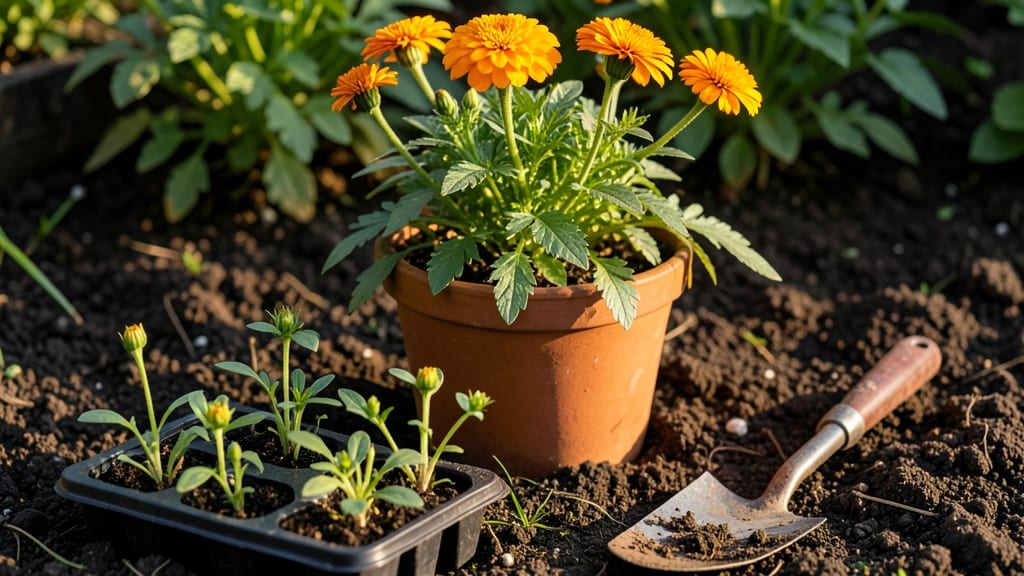
Your Zone 4B planting schedule should align with last frost dates between mid-April and early June, and first frosts from late September to mid-October, using these timelines to plant cool-season crops in early spring or fall, while starting warm-season crops indoors 6-8 weeks before the last frost and transplanting only after soil reaches 60°F+.
A Zone 4B planting schedule isn't just about memorizing dates—it's about understanding how your local microclimate can shift those windows by weeks. 🌱 For example, areas near large bodies of water often experience later last frosts, while urban gardens may warm up faster due to heat retention.
I always check my local Almanac for the past 5 years' frost data, then adjust my schedule accordingly. Cool-season crops like spinach and peas can handle light frosts, so I plant them 2-3 weeks before the average last frost, while warm-season tomatoes need that 60°F+ soil to thrive after transplanting.
Another key strategy is succession planting—sowing small batches of lettuce or radishes every 2 weeks ensures a continuous harvest. For warm-season crops, starting seeds indoors under grow lights gives them a head start, and using row covers can extend your fall planting window by 3-4 weeks.
The goal is to maximize your growing season while protecting tender plants from unexpected late frosts.
💡 In This Article
- Understanding Zone 4B Frost Dates and Microclimate Variations
- Step-by-Step Zone 4B Planting Calendar for Vegetables, Flowers, and Herbs
Understanding zone 4B frost dates and microclimate variations
Zone 4B's frost timing creates the backbone of your planting schedule. The average last spring frost falls between mid-April and early June, but this can shift dramatically based on location.
For instance, areas near the Great Lakes often see later frosts due to lake-effect cooling, while inland cities may experience earlier warming from urban heat islands. The first fall frost typically arrives between late September and mid-October, though high-elevation gardens can face frost as early as mid-September.
What makes this zone tricky is how microclimates alter these averages. A garden just 50 feet higher in elevation might experience 3-5°F cooler nights, delaying planting by 1-2 weeks. Conversely, south-facing slopes warm up faster, potentially extending your growing season by 10-14 days.
Water bodies create their own patterns—gardens near ponds or rivers often have later last frosts because water releases heat slowly, while dry areas may warm up quicker but also cool down faster at night.
The science behind frost formation involves temperature inversion layers where cold air sinks into low-lying areas. This explains why valley gardens frequently experience harder frosts than hilltops. To account for these variations, I recommend tracking your local frost history for at least 3 years.
The National Oceanic and Atmospheric Administration (NOAA) provides free frost date maps, but nothing beats recording your own data with a minimum-maximum thermometer placed at plant height.
For practical adjustments, consider these key factors: Plant cold-hardy crops like kale or Swiss chard 2-3 weeks before your average last frost date, as they can tolerate light frosts.
For warm-season crops, use row covers to extend your fall planting window by 3-4 weeks—these create a 5-10°F warmer microclimate under the fabric. The goal is to match your planting timing with your specific microclimate's actual frost patterns rather than relying solely on zone averages.
Here's a concrete example: In my Zone 4B garden near a large river, I adjust my schedule by planting tomatoes 2 weeks later than the average recommendation because the river's cooling effect often delays soil warming past 60°F.
Meanwhile, my neighbor on a south-facing hill can plant the same crops 2 weeks earlier because their microclimate warms up faster. This level of precision transforms your garden from a gamble to a calculated success.
Remember that frost isn't just about temperature—it's about radiation frost (clear nights with rapid cooling) versus advection frost (cold air masses moving in). Understanding which type dominates your area helps you choose the right frost protection strategies.
For instance, frost cloths work well for radiation frost, while row covers provide better protection against advective frosts.
To future-proof your schedule, consider adding 1-2 weeks of buffer time around your average frost dates. Climate change is shifting growing seasons—many Zone 4B gardeners now report later last frosts by 7-10 days compared to 20 years ago.
Staying flexible with your planting windows ensures your garden remains productive despite these changes. 🌿