
Planting
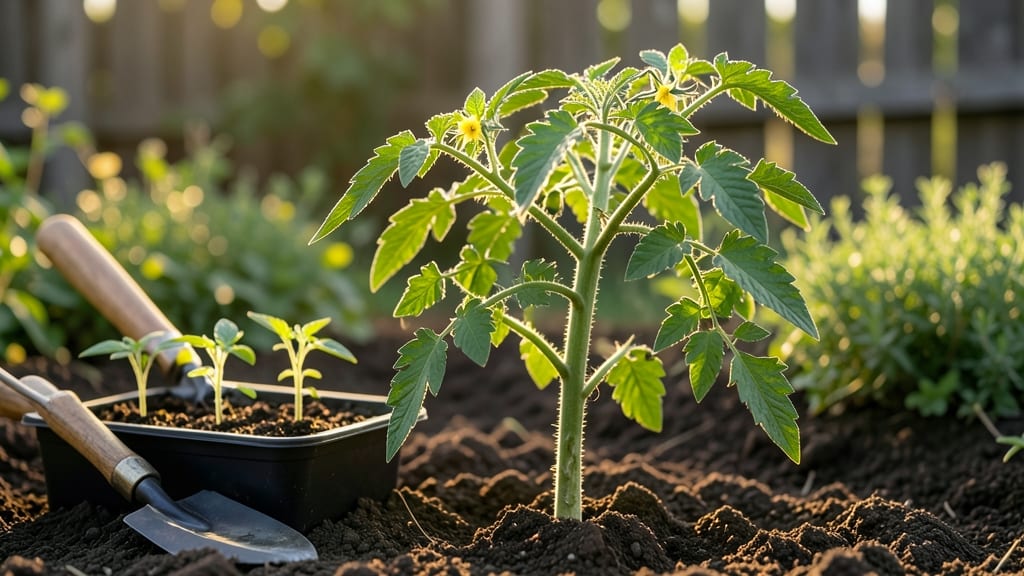
Timing your tomato planting season right is the key to avoiding those wilted seedlings or stunted plants that leave you wondering what went wrong.
Picture this: it’s mid-May, your soil is finally warm enough, and you’ve got 60°F temperatures—but you missed the window by a week. Now you’re stuck with 6-foot vines and no fruit, all because you didn’t account for your USDA zone’s last frost date.
Whether you’re in Zone 6a or a warmer climate, the right timing means the difference between a July harvest and a disappointing flop. I’ll break down the exact dates by zone, soil temperature musts, and how to pick early or late varieties to stretch your growing season.
By the end, you’ll know when to plant, how to adjust for your region, and the 5 critical mistakes that even experienced gardeners make—so you can finally grow tomatoes that thrive from seed to sauce.


Tomato planting season dates by USDA hardiness Zone (with frost risk charts)
Getting your tomato planting season right depends entirely on your USDA hardiness zone. In colder zones like Zone 3, you'll need to start seeds indoors 8-10 weeks before the last frost, while Zone 10 gardeners can direct-sow year-round.
The key is balancing soil temperature (ideal: 60-85°F) with frost risk—plant too early and a late freeze will kill tender seedlings.
For heirloom varieties, which often need 85-90 days to mature, timing is even more critical. Hybrid varieties like 'Early Girl' (65 days) offer flexibility, but all tomatoes hate cold soil. Always check your last average frost date and wait 2-3 weeks after that before transplanting outdoors.
In warmer zones, heat-tolerant varieties like 'Solar Fire' can handle 90°F+ better than traditional types.
Frost risk varies dramatically by zone. A Zone 4 garden might see frost until May 15, while Zone 8 could have frost as late as November 15. Use these frost-free days to estimate your growing window. For example, a 60-day variety in Zone 5 (last frost: May 10) needs to be planted by April 1 to avoid fall frost.
| USDA Zone | Last Avg. Frost | First Planting Window | Ideal Transplant Date | Heat Tolerance Tip |
|---|---|---|---|---|
| Zones 3-4 | May 1-15 | Indoors: Mar 1-Apr 15 | May 20-Jun 1 | Use row covers for early starts |
| Zones 5-6 | Apr 15-May 1 | Indoors: Feb 15-Mar 30 | May 10-May 30 | Choose early varieties (<60 days) |
| Zones 7-8 | Mar 15-Apr 15 | Direct sow: Mar 15-Apr 15 | Apr 15-May 15 | Succession plant every 2 weeks |
| Zones 9-10 | Jan 1-Feb 15 | Year-round (avoid summer heat) | Feb 15-Apr 15 | Use shade cloth for summer |
| Zone 11 | None | Year-round (avoid extreme heat) | Feb 1-Apr 15 | Dwarf varieties perform best |
In Zones 3-4, where frost lingers late, I recommend starting heirloom seeds indoors by March 1 and transplanting after May 15. Use black plastic mulch to warm soil faster—this can shave 1-2 weeks off your growing season.
For Zones 5-6, direct-sow seeds after May 10 when soil hits 60°F, or transplant 6-week-old seedlings by May 15.
Warmer zones like Zones 7-8 offer flexibility. You can direct-sow seeds as early as March 15 or transplant 4-6 week seedlings by April 15. Here, succession planting every 2 weeks extends harvests.
In Zones 9-10, avoid planting during peak summer heat (June-August)—instead, focus on spring and fall for better yields.
For Zone 11, where frost is rare, timing is
How to adjust tomato planting season for early vs. late varieties
Not all tomato varieties thrive on the same schedule. Early-season types like 'Stupice' or 'Mountain Merit' need cooler temps to set fruit, while late-season varieties like 'Brandywine' or 'Cherokee Purple' demand heat.
The key is matching your climate zone with the right cultivar timing to stretch your harvest from summer into fall.
In short-season zones (3-5), focus on cold-hardy early varieties that tolerate light frosts and mature quickly. Meanwhile, long-season zones (7-11) can handle heat-loving late varieties that ripen slowly but produce abundantly in warm weather. The trick? Layering succession plantings to keep tomatoes coming all season.
Comparison Table: Early vs. Late Tomato Varieties
| Variety Type | Days to Maturity | Ideal Planting Window | Best For Zones | Harvest Extension Tip |
|---|---|---|---|---|
| Early Varieties | 50-65 days | 2-4 weeks before last frost | 3-6 | Plant cold-hardy types like 'Stupice' in early spring for frost-tolerant harvests. |
| Mid-Season | 65-75 days | After last frost (soil 60°F+) | 4-8 | Use 'Early Girl' or 'Better Boy' for consistent summer production. |
| Late Varieties | 75-90+ days | Early summer (June-July) | 7-11 | Choose heat-tolerant 'Black Krim' or 'Solar Fire' for fall harvests. |
| Succession Planting | Varies | Every 2-3 weeks | All zones | Stagger plantings of early/late types for continuous harvests. |
For succession planting, start with early varieties in late spring, then follow with mid-season types 2-3 weeks later. In Zone 5 or cooler, add a row cover to protect early plantings from late frosts.
Meanwhile, late-season tomatoes like 'Celebrity' or 'Big Beef' thrive when planted in early summer, avoiding the blossom-end rot risk of cold snaps.
In hot climates (Zones 8-11), prioritize heat-tolerant late varieties that won’t bolt. Use shade cloth during peak summer to prevent sunscald. For container gardening, dwarf late varieties like 'Tiny Tim' extend harvests in small spaces. Always check seed packets for days to maturity—this dictates your planting window.
Pro tip: Plant a mix of early and late varieties in the same bed. As the early ones finish, the late ones take over, ensuring continuous harvests from June through October. Pair cold-hardy types with heat-lovers for a year-round tomato supply, even in short seasons.
Don’t forget to prune suckers from early plantings to redirect energy to fruit production, while letting late varieties grow wild for maximum yield. With this strategy, you’ll turn a single planting season into a multi-month feast—no greenhouses required! 🌱🍅