
Blooming
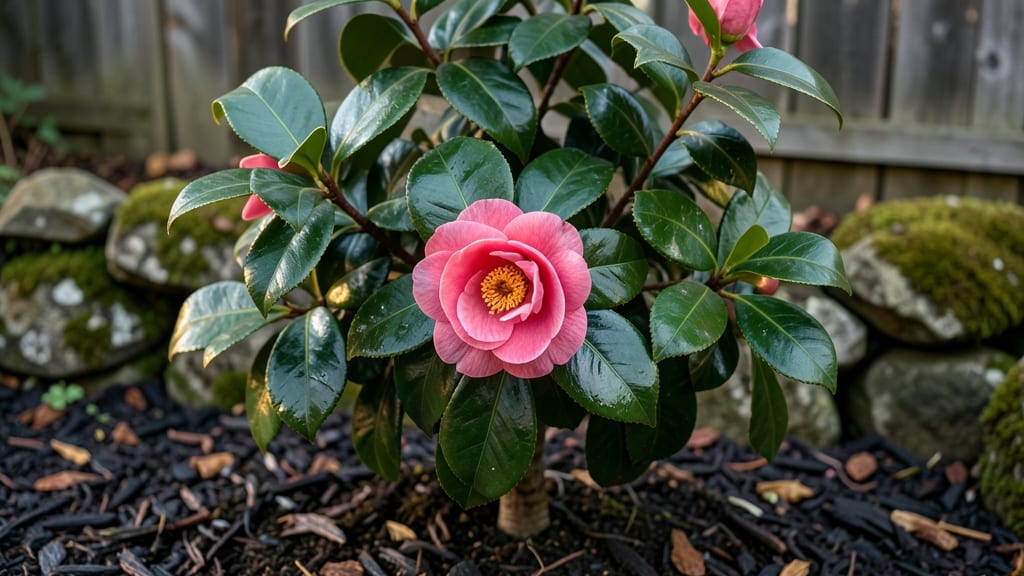
The camellia flower blooming season transforms your garden into a fragrant paradise when timed right, with Camellia japonica gracing late winter through spring and Camellia sasanqua dazzling in fall.
If you’ve ever dreamed of waking up to a garden bursting with fragrant camellia blooms 🌸, timing is everything—miss the season, and you’ll wait another year for that intoxicating scent and stunning display. In USDA Zone 7b, where I garden, the window is narrow but packed with possibilities.
Most gardeners assume camellias bloom only once, but the right care can extend that show by weeks. From pruning at the right time to adjusting soil pH, small tweaks make a huge difference in how long your shrubs stay in bloom.
Below, I’ll break down the exact months for your zone, plus pro tips to coax extra blooms—so you can enjoy those velvety petals for as long as possible.
Camellia blooming season by USDA hardiness Zones: month-by-month guide
Timing your camellia blooms depends heavily on your USDA hardiness zone and whether you grow Camellia japonica (spring bloomers) or Camellia sasanqua (fall/winter bloomers). Coastal gardens often bloom 2-4 weeks earlier than inland areas due to milder microclimates. Understanding these patterns helps you plan for peak fragrance and stunning displays.
For Zone 7, expect Camellia sasanqua to bloom from October to December, while Camellia japonica typically flowers between March and May. In warmer Zones 9-10, blooms can stretch year-round, with sasanqua sometimes flowering even in January or February.
Let’s break down the exact months for each zone.
| Zone | Camellia japonica (Spring) | Camellia sasanqua (Fall/Winter) | Coastal Adjustment |
|---|---|---|---|
| 7 | March–May | October–December | +2 weeks earlier |
| 8 | February–April | September–November | +3 weeks earlier |
| 9 | January–March | August–December | +4 weeks earlier |
| 10 | December–February | Year-round (peaks Sept–Nov) | +6 weeks earlier |
In Zone 7, Camellia japonica blooms align with late winter to early spring, just as daffodils and tulips start pushing through the soil. This timing makes them a standout focal point in early-season gardens.
Meanwhile, Camellia sasanqua offers a fall-winter spectacle, often overlapping with chrysanthemums and holly for a festive display.
For gardeners in Zone 8, blooms begin earlier—Camellia japonica can start as early as February, while sasanqua extends into November. This longer season means you can enjoy two distinct bloom periods in a single year.
Inland areas may experience 1-2 weeks of delay compared to coastal regions.
If you live in Zones 9-10, you’re in luck—Camellia sasanqua can bloom year-round, with peaks in fall and winter. Camellia japonica may even flower in December or January, provided they receive adequate chilling hours (typically 300-500 hours below 45°F).
Coastal areas in these zones often see earlier and more abundant blooms due to milder winters.
To maximize blooms, ensure your camellias get 6-8 hours of morning sun and afternoon shade. Soil pH between 5.5-6.5 is critical—test yours annually and amend with sulfur or peat moss if needed.
Prune right after flowering to encourage next year’s buds, but avoid heavy cuts that remove next year’s bloom wood.
Watch for bud blast (buds dropping before opening), often caused by late frosts or drought stress. In Zones 7-8, protect blooms with frost cloth if temperatures dip below 28°F.
In warmer zones, consistent moisture is key—deep water once weekly during dry spells to prevent buds from drying out.
For coastal gardeners, embrace the maritime climate by planting near ocean-facing slopes or elevated beds to reduce frost pockets. Inland gardeners should group camellias with other shade-loving plants like azaleas and rhododendrons to create a low-maintenance understory that thrives in similar conditions.
Plan your garden layout around these bloom windows—place spring japonica near pathways or patios for early enjoyment, while fall sasanqua can frame entryways or holiday decorations. With the right timing and care, your camellias will reward you with months of fragrant, show-stopping blooms every year. 🌸
How to extend your Camellia’s blooming season naturally (without chemicals)
Want your camellia blooms to last longer or appear earlier? The secret lies in understanding their natural rhythms and giving them the right conditions. Unlike many plants, camellias rely on winter chilling hours to trigger blooms—so if your climate skips that cold snap, you’ll need to mimic it.
The good news? With a few simple adjustments to pruning timing, soil pH, and light exposure, you can coax your camellia into blooming outside its usual window—without resorting to synthetic chemicals.
First, let’s address the biggest misconception: camellias don’t bloom on a strict calendar. Their timing depends on chilling requirements, which vary by variety. For example, Camellia japonica typically needs 300-500 hours below 45°F (7°C) to set buds, while Camellia sasanqua can bloom with fewer hours.
If your winters are too mild, your plant might skip blooming entirely—or produce sparse flowers. The solution? Help it “remember” winter with strategic care.
Prune right after blooming (not in fall) to avoid cutting off next year’s buds. For earlier blooms, prune lightly in late winter to encourage new growth.
Camellias thrive in acidic soil (pH 5.5-6.5). Test your soil and amend with peat moss or sulfur if needed. A low pH boosts nutrient uptake, leading to healthier blooms.
If your winters lack chill, place potted camellias in a cool garage or shaded patio for 4-6 weeks at 40-50°F (4-10°C) in late fall. This tricks the plant into thinking winter has arrived.
Move plants to bright, indirect light (e.g., east-facing window or 50% shade cloth). Avoid harsh afternoon sun, which can stress buds and shorten the blooming window.
Water deeply but infrequently—aim for 1-2 gallons per plant weekly during bloom season. Overwatering can cause bud drop, while underwatering stunts flower production.
One of the most effective (but overlooked) tricks is stratifying buds for late bloomers. If your camellia sets buds in summer but doesn’t open them until fall, try this: once buds form, cover them with a lightweight frost cloth for 2-3 weeks in early fall.
The slight chill can prompt them to open earlier. Just remove the cloth before frost risk arrives—you want a nudge, not damage!
Don’t underestimate the power of fertilizer timing either. Feed your camellia in late summer (not spring) with a low-nitrogen, high-phosphorus fertilizer (e.g., 5-10-10). Phosphorus encourages root and bloom development, while too much nitrogen in spring can delay flowering.
Think of it as giving your plant a bloom-boosting snack right before its natural window.
Finally, pay attention to light exposure shifts. If your camellia is in a container, rotate it quarter-turns monthly to ensure even light exposure. Uneven light can cause buds to form on one side, leading to lopsided blooms.
For garden beds, avoid planting near tall trees or structures that cast deep shade—camellias need at least 4-6 hours of morning sun to thrive.
With these techniques, you can stretch your camellia’s blooming season by 3-6 weeks—or even coax a second flush of flowers in mild climates. The key is consistency: monitor your plant’s response and adjust timing slightly each year.
Before you know it, your garden will be a fragrant paradise for months instead of weeks! 🌸