
Blooming
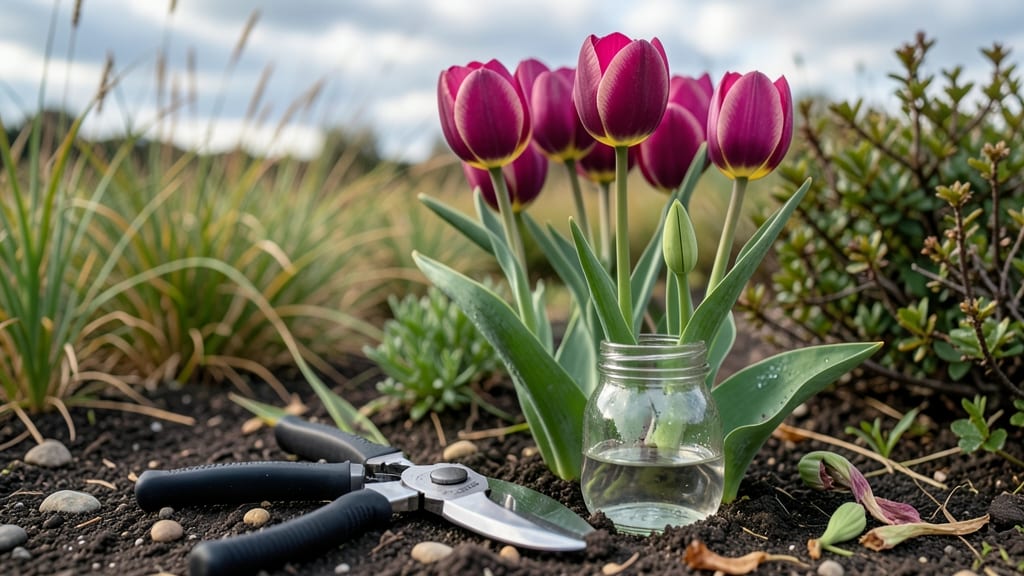
Tulips generally cannot bloom twice in one season because their growth cycle follows a strict flowering-dormancy pattern. After blooming, they enter a recovery phase to rebuild energy reserves, making reblooming difficult without targeted care or specialized varieties.
This natural process stems from how tulips allocate their energy. After flowering, they focus on storing nutrients in their bulbs rather than producing new blooms. 🌱 The only way to encourage a second bloom is by selecting varieties like Darwin hybrids or species tulips, which are bred for resilience.
Even then, you'll need consistent fertilization, proper pruning, and optimal growing conditions to give them a fighting chance.
Most gardeners assume tulips are one-and-done flowers, but the truth lies in understanding their biological rhythms. The key is matching care techniques to each variety's unique needs—what works for a fragile parrot tulip won't necessarily work for a hardy Darwin hybrid.
Forcing reblooming isn't just about luck; it's about working with nature's timeline while giving your plants the right support.
If you're serious about getting tulips to rebloom, start by choosing the right varieties and establishing a consistent care routine from planting day. The payoff comes in subsequent seasons when your bulbs mature and develop stronger energy reserves.
Patience is critical—don't expect miracles in the first year, but with the right approach, you can transform your garden into a repeat-blooming paradise.
💡 In This Article
- Understanding Tulip Refractory Periods and Growth Cycles
- How to Encourage Tulip Reblooming with Proper Care
Understanding tulip refractory periods and growth cycles
Tulips follow a strict biological rhythm where their energy reserves are completely depleted after flowering. This is called the refractory period, a natural dormancy phase where the bulb focuses on rebuilding nutrients rather than producing flowers again.
During this time, the bulb converts stored starches into sugars and proteins, a process that can take 6-8 weeks depending on the variety and growing conditions. 🌱 Think of it like a marathon runner needing recovery time after a race—they can't perform again until their body fully replenishes.
The average tulip bulb contains about 20-30% starch when dormant, which gets converted into energy during growth and flowering. After blooming, this reserve drops dramatically, sometimes by 50% or more, leaving the bulb too weak to support another flower spike.
This is why most hybrid tulips (like the popular Parrot or Fransen varieties) won't rebloom naturally—their breeding prioritizes showy first blooms over endurance. Even species tulips, which are more resilient, need perfect conditions to attempt a second cycle.
This energy depletion explains why tulips are often considered perennials with annual behavior. While they return year after year, their flowering is typically a one-time seasonal event unless you intervene. The bulb's growth cycle follows this pattern: dormancy → growth → flowering → dormancy.
Breaking this cycle requires careful management of nutrients, light exposure, and stress factors. Without intervention, the bulb simply doesn't have enough stored energy to produce a second bloom in the same season.
Here's where variety selection becomes critical. Darwin hybrid tulips are specifically bred for reblooming potential because they develop stronger bulbs with larger nutrient reserves. These varieties can sometimes produce a second, smaller bloom if given ideal conditions.
In contrast, single late or double early tulips are bred for dramatic first displays and rarely attempt reblooming. The difference lies in their genetic programming—some tulips are wired for endurance, while others prioritize flashy initial performances.
Light exposure plays a surprising role in this process. Tulips require 12-14 hours of daylight to trigger flowering, but after blooming, they need reduced light to enter dormancy properly. Too much light during recovery can prevent the bulb from storing enough nutrients.
This is why gardeners in northern climates sometimes get better reblooming results—the natural daylight reduction in fall helps trigger the proper dormancy cycle. In warmer climates, you might need to provide partial shade during the bulb's recovery phase.
The soil's role is equally important. Tulips need well-draining soil with a pH between 6.0 and 7.0 to efficiently absorb nutrients. Poor soil quality forces the bulb to work harder to store energy, leaving less available for potential second blooms.
Adding compost or bone meal before planting provides the phosphorus needed for strong bulb development, which is crucial for any reblooming attempts. Without proper soil nutrition, even the hardiest tulip varieties will struggle to produce a second bloom.