
Plants
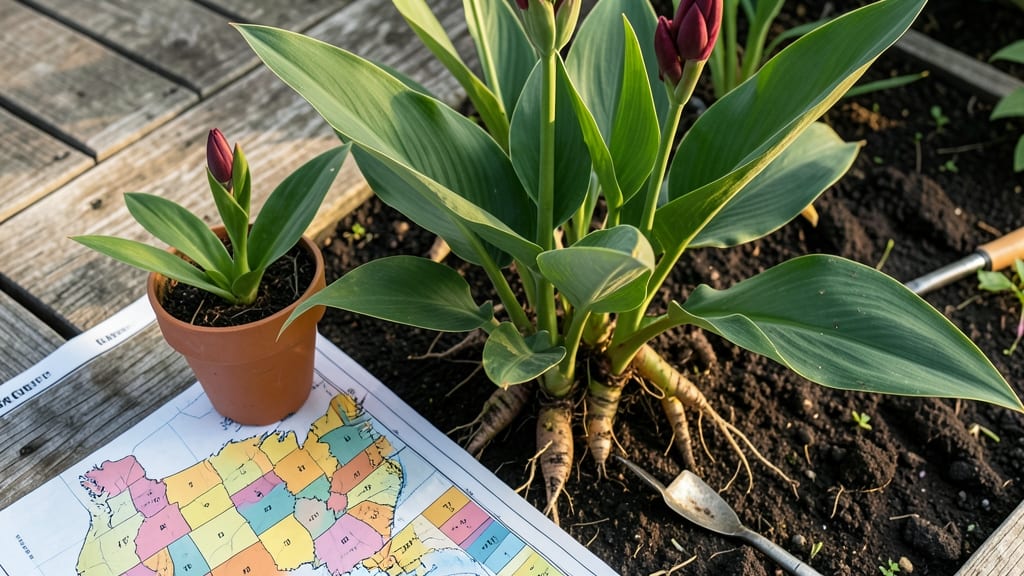
Canna lilies thrive in USDA hardiness zones 8 through 11, where they can survive winters without extra care. Their tropical nature means frost damages roots, but they regrow from dormant rhizomes when spring arrives. For colder zones, mulching or container growing helps extend their growing season.
Canna lilies are tropical plants at heart, which is why they prefer warmer climates found in zones 8-11. 🌱 When temperatures drop below 20°F, their roots freeze back, but the underground rhizomes stay protected and ready to burst back to life once temperatures rise.
This makes them perfect for gardeners in marginal zones who use containers or mulch—think of it like giving your plants a cozy blanket for winter. The key is understanding their natural dormancy cycle, which allows them to bounce back stronger each season.
What's fascinating is how their hardiness compares to other tropical plants. Unlike caladiums or elephant ears, canna lilies have a built-in survival mechanism through their rhizomes, making them more resilient to cold snaps.
This adaptability is why they're such a favorite in gardens—with the right protection, they can thrive even in areas that would be too harsh for other tropical beauties.
💡 In This Article
- Understanding Canna Lily Cold Tolerance Science
- Protecting Canna Lilies in Cold Climates: Step-by-Step Guide
Understanding canna lily cold tolerance science
Canna lilies survive winter through a clever biological process called dormancy, where their above-ground foliage freezes back when temperatures drop below 20°F. The real magic happens underground: their thick, fleshy rhizomes (horizontal root stems) contain stored starches that act like a natural battery.
These rhizomes can endure frost down to 10°F for short periods, though prolonged exposure below 15°F risks damage. The key is their ability to regenerate from just a small piece of living tissue, even when 90% of the plant appears dead.
Here's how it works: when frost hits, the plant's cells release protective sugars that prevent ice crystals from forming inside tissues—a process called cryoprotection. Meanwhile, the rhizomes remain dormant until soil temperatures reach 60°F in spring, triggering new shoots to emerge.
This makes canna lilies far hardier than other tropical plants like caladiums (which die back completely) or elephant ears (which need 50°F minimum temperatures). Their rhizomes can even survive being buried under 12 inches of mulch or soil during winter.
The USDA zones 8-11 designation comes from their optimal growing conditions: these zones provide 240-365 frost-free days annually, with winter lows rarely dropping below 10°F. In zone 11, canna lilies grow year-round with minimal stress, while zone 8's 10-20°F winters push them to their cold limits.
The plant's natural range in South America's highland regions (where nights can drop to 40°F) explains their surprising cold tolerance compared to true tropicals.
What sets canna lilies apart is their secondary growth capability—they can produce new rhizomes from old ones even after multiple freeze-thaw cycles. This contrasts with caladiums, which require perfect winter conditions to regrow, or impatiens, which die completely when exposed to frost.
The rhizome's fibrous texture (similar to ginger root) helps it absorb moisture slowly during dormancy, preventing desiccation even in dry winters.
For gardeners in marginal zones, understanding this biology means you can push canna lilies just beyond their comfort zone with proper care. For example, in zone 7 (0-10°F winters), a 15-inch-deep mulch layer can raise soil temperatures by 5-10°F, creating a microclimate that protects rhizomes.
The plant's ability to regenerate from small fragments also means even if winter damage occurs, you can often salvage the garden by replanting healthy sections in spring.
One fascinating comparison is with taro plants, which also use rhizomes for survival but require 65°F minimum temperatures. Canna lilies' broader temperature tolerance comes from their native highland environments where they experience cooler nights—this evolutionary adaptation is why they thrive in zone 8 gardens while taro plants would struggle.
The lesson? Canna lilies are tropical survivors with built-in cold resilience that other plants lack.