
Advice
USDA Zones 8 through 11 cover warm climates across the southern U.S. and tropical regions, where Zone 8 sees occasional light frost (10–20°F), Zone 9 rarely drops below 20°F, Zone 10 experiences rare frost (30–40°F), and Zone 11 remains frost-free year-round. These zones offer extended growing seasons, with frost dates shifting dramatically from northern Zone 8 to tropical Zone 11.
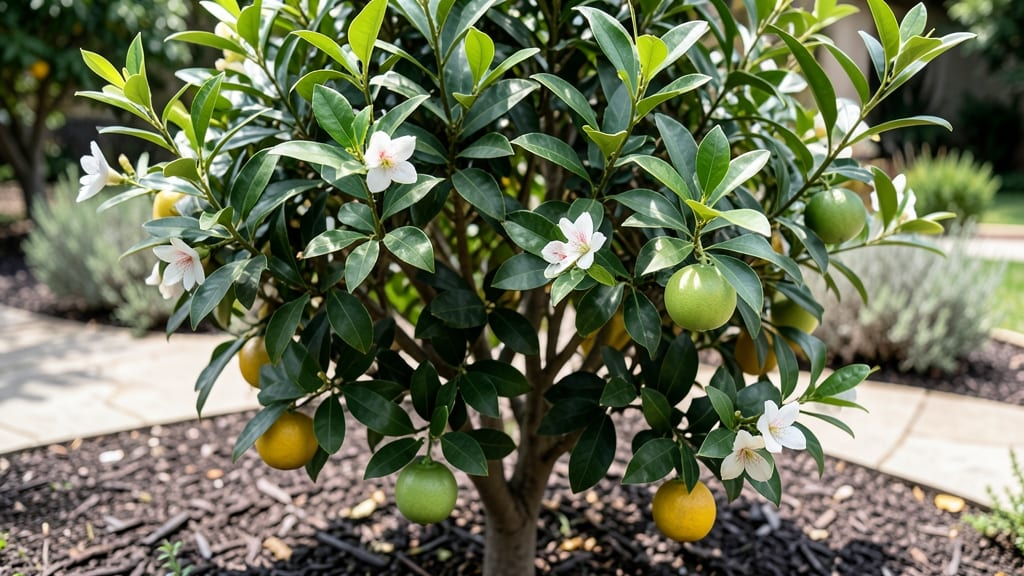
Understanding these zones helps gardeners select the right plants for their climate. For example, citrus thrives in Zone 8's cooler winters, while tropical fruits like mangoes flourish in Zone 11's warmth.
Coastal areas often enjoy milder winters due to ocean currents, allowing for earlier planting than inland regions. 🌿 The key is matching plant hardiness to your zone's average low temperatures—this ensures healthier growth and higher yields.
Microclimates play a huge role too. A backyard in Zone 9 might have a frost pocket that delays planting, while a nearby coastal area could support year-round tropical plants. Always check your local last frost date—this is your best guide for timing spring and fall plantings.
For instance, Zone 8 gardeners should wait until after the average last frost (usually mid-March to early April) before planting frost-sensitive crops.
💡 In This Article
- How Climate Affects Planting in USDA Zones 8–11
- Best Plants for USDA Zones 8 Through 11 by Region
How climate affects planting in USDA zones 8–11
The temperature ranges in these zones directly impact plant survival through a process called chilling injury. When plants experience temperatures below their tolerance thresholds, cell membranes rupture, causing irreversible damage.
For example, tropical plants like hibiscus can't survive below 32°F, while citrus trees in Zone 8 may endure brief dips to 15°F with proper protection. The science lies in how plants adapt to their thermal environment—cold-hardy varieties develop protective proteins that prevent ice crystal formation in their cells.
Coastal areas benefit from ocean currents that moderate temperatures. In Florida's Zone 10, the Gulf Stream keeps winter lows above 35°F, allowing year-round planting of heat-loving crops like eggplants. Meanwhile, inland regions in the same zone may see occasional 28°F dips, requiring frost cloth protection for sensitive plants.
This microclimate variation means a single county can span multiple effective planting zones—always check your specific location's last frost date (typically 30-60 days before average spring lows).
Heat tolerance becomes equally critical. Zone 11's 90°F+ summers demand plants that can handle prolonged heat stress, like bougainvillea or cactus varieties. The key metric here is heat units (degree days), which measure how much heat a plant needs to mature.
A tomato plant might require 1,200 heat units, while okra thrives with 1,500+. Gardeners in Zone 9 should focus on varieties bred for 1,000-1,200 heat units to avoid bolting (premature flowering) during summer's peak.
Seasonal shifts create planting windows that vary by 2-4 weeks between zones. Zone 8's first frost typically arrives in November, while Zone 10 may see frost in January—this means fall planting can start 6 weeks earlier in Zone 10.
The 10°F difference between Zone 8 and 9's winter lows translates to 30-45 days longer growing season in Zone 9. This extended period allows for double cropping (planting two harvests in one season) of fast-maturing vegetables like lettuce or radishes.
Soil temperature plays a hidden but crucial role. Most seeds won't germinate until soil reaches 60°F—in Zone 11, this happens in January, while Zone 8 may wait until March. Cold soil slows microbial activity, delaying nutrient availability.
A simple soil thermometer can reveal why your seeds aren't sprouting—if readings stay below 55°F, wait another 2 weeks before replanting. This patience prevents transplant shock from rushed seedlings.
What most gardeners overlook is how humidity interacts with temperature. Zone 11's high humidity (often 70%+) creates ideal conditions for fungal diseases, while Zone 8's drier winters reduce pathogen pressure.
This explains why Zone 11 gardeners must space plants 12-18 inches apart for airflow, while Zone 8 can plant more densely. The 30% humidity difference between these zones means irrigation strategies must adapt—drip systems work best in humid areas to prevent foliar diseases.