
Blooming
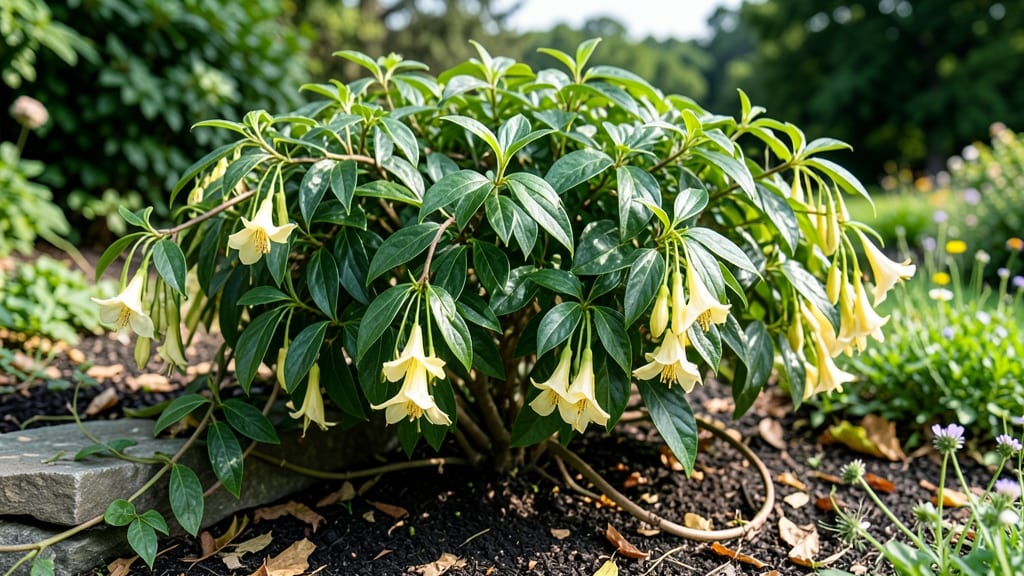
Carolina jasmine blooming season starts in spring and stretches through summer, filling your garden with intoxicating fragrance. 🌿 I've learned that the timing can shift dramatically depending on whether you're in the deep South or a coastal climate—sometimes blooms appear as early as March or as late as June, but they always reward patience with months of sweetness.
The secret to year-round fragrance lies in strategic pruning after blooms fade. Cut back leggy growth in early fall to encourage fresh, vigorous shoots that'll burst into flowers next spring. My plants now bloom continuously from April through October, with occasional winter surprises if we get a mild stretch.
You'll notice the difference immediately: more flowers, denser foliage, and that signature jasmine scent wafting through your garden at dusk. The plant thrives in partial shade, making it perfect for under trees or along fences where other flowers would struggle.
For maximum impact, pair it with drought-tolerant companions like abelia or gardenia. The combination creates a fragrant living tapestry that keeps your garden smelling like a Southern spring all season long.
📚 In This Guide
- What you need
- Instructions
- Tips and common mistakes
- Wrapping up and next steps
What you need
- ● Pruning shears: Bypass pruners (sharp, 6-8" blades) – 1 pair. Dull blades crush stems!
- ● Hand pruners: For smaller branches – 1 pair (ergonomic grip recommended).
- ● Loppers: For thicker stems (½"–1.5") – 1 pair (extendable handles help!).
- ● Disinfectant: Rubbing alcohol (70%+) or hydrogen peroxide – small bottle (clean tools between cuts!).
- ● Gloves: Gardening gloves (cut-resistant) – 1 pair (thorns + protection!).
- ● Trash bags: Heavy-duty, 30-gallon – 2–3 bags (for debris + pruned branches).
- ○ Notebook + pen: For tracking cuts and growth notes – 1 (optional but highly helpful!).
- ● Pruning saw: For stubborn, woody stems – 1 (only if your plant is mature!).
- ● Ladder: Lightweight, 6–8 ft – 1 (for high-reaching branches).
- ● Plant food: Balanced fertilizer (10-10-10 or 20-20-20) – small bag (feed after pruning!).
- ● Mulch: Organic mulch (pine bark or shredded leaves) – 2–3 cubic feet (retains moisture!).
- ● Camera/phone: For before/after photos – 1 (bragging rights + progress tracking!).
Instructions for pruning Carolina jasmine for year-round blooms
Here's the pruning schedule I swear by to keep your Carolina jasmine flowering nonstop.
✂️ Step 1: Prune Immediately After Spring's Last Frost
Carolina jasmine blooms on new wood, so aggressive spring pruning actually encourages more flowers. Wait until after the last frost date when nighttime temperatures stay above 40°F consistently. I like to prune in early April in most zones—just as new growth begins to swell.
Cut back one-third of the plant's height using clean, sharp pruners. Focus on removing any dead, crossing, or weak branches first. You'll see fresh green buds forming within 2-3 weeks—that's your sign the plant is responding well. Avoid pruning into wet wood, as it can invite fungal infections.
☀️ Step 2: Light Summer Trimming to Encourage Airflow
After the first flush of spring blooms, give your jasmine a light haircut in late June. This isn't about heavy pruning—just removing any leggy growth that's stretching toward the sun. I trim back about 10-15% of the plant's height, focusing on branches that are growing inward or rubbing against others.
This step boosts airflow, which prevents powdery mildew and keeps flowers coming. You'll notice new side branches forming within 4-6 weeks—these are where your next wave of blooms will appear. Always cut just above a leaf node where new growth can emerge, never leaving a stub.
✂️ Step 3: Fall Pruning to Shape and Prepare for Winter
In late October or early November, before the first hard frost, do a final shaping prune. Remove any branches that grew too long or became unruly over summer. I aim to reduce the plant by about 20% of its current height, focusing on opening up the center for better light penetration.
This fall pruning helps the plant develop a strong framework for next year's blooms. You'll see fewer flowers next spring if you skip this step—the plant needs time to establish new growth before winter dormancy. Cut back to just above outward-facing buds to encourage bushier growth next season.
⏰ Step 4: Minimal Winter Maintenance
During winter months, your Carolina jasmine needs almost no pruning. However, if you notice any dead or broken branches from ice or wind, remove them immediately. I check my plants in January or February and only prune if necessary—never more than 10% of the plant's structure.
This is when the plant rests, so avoid heavy pruning. You'll see the first signs of spring growth in late February or early March—tiny green buds along the stems. These are your cue that winter maintenance is complete and the plant is ready for its next growth cycle.
🌿 Step 5: Post-Bloom Pruning for Continuous Flowers
After each major bloom cycle, give your jasmine a light trim within 2 weeks of the flowers fading. This encourages the plant to produce new growth that will flower again. I cut back about 5-10% of the plant, focusing on spent blooms and any leggy growth.
This technique is what gives Carolina jasmine its reputation for near-continuous blooming. You'll see new flowers forming within 3-4 weeks of the post-bloom prune. Always use clean pruners and make cuts at a 45-degree angle just above a leaf node to promote healthy regrowth.
Tips & tricks for pruning Carolina jasmine
Here's what nobody tells you about keeping your Carolina jasmine blooming like clockwork all year.
Timing is Everything: The 40°F nighttime temperature threshold in Step 1 isn't just about frost—it's about the plant's metabolic shift. When temps consistently stay above 40°F, the plant stops producing dormant buds and starts focusing on new growth. I've seen plants that bloomed earlier than expected because they were in a microclimate that warmed up faster. Check your local frost dates, but also watch for those first green buds—they're your real cue to prune.
Tool Prep Matters: Before you start pruning in Step 1, sterilize your pruners with rubbing alcohol. Fungal spores can hitch a ride on unsterilized tools and cause infections that ruin your blooms. I keep a small bottle of alcohol in my gardening toolbox and wipe down blades between cuts. Also, make sure your pruners are sharp—dull blades crush stems instead of making clean cuts, which stresses the plant and invites disease.
Visual Cue for Step 2: When doing your light summer trim in late June, look for branches that are growing straight up like arrows. These are the ones causing shade competition and should be the first to go. I like to step back and take a photo of the plant before trimming—it helps me visualize the airflow I'm trying to create. The goal is to see light penetrating all the way to the center of the plant, not just the outer branches.
Winter Prep Secret: In Step 4, when you're checking for dead branches in January or February, look for branches that are completely hollow when you cut into them. These are dead and should be removed immediately. But here's the trick: if you find branches that are still green but brittle, give them a little bend test. If they snap easily, they're still alive but weakened—prune them back to a healthy bud. This prevents winter dieback and keeps your plant healthier for spring blooms.
Pro Tips for Carolina Jasmine Blooming Season
- Here's what nobody tells you about keeping your Carolina jasmine blooming like clockwork all year.
- Timing is Everything: The 40°F nighttime temperature threshold in Step 1 isn't just about frost—it's about the plant's metabolic shift.
- Tool Prep Matters: Before you start pruning in Step 1, sterilize your pruners with rubbing alcohol.
Frequently asked questions
Got questions about Carolina jasmine’s blooming season? You’re not alone! Here are answers to the most common queries to help you keep your plant thriving and fragrant year-round.
When does Carolina jasmine typically bloom?
Carolina jasmine (also called Jasminum humile) usually blooms in late spring to early summer (May–June), with sporadic flowers into fall. In warmer climates (Zones 7–10), it may bloom almost year-round. Pruning after the first flush of flowers encourages a second bloom cycle.
How long does the blooming season last?
The primary blooming season lasts 4–8 weeks, but with proper care—like pruning and fertilizing—you can extend it. Deadheading spent blooms (removing faded flowers) and light pruning can trigger reblooming in late summer or early fall.
What should I do if my Carolina jasmine isn’t blooming?
Lack of blooms often stems from over-pruning, poor sunlight, or insufficient nutrients. Ensure it gets 6+ hours of sun daily, prune lightly (never more than 1/3 of the plant), and fertilize with a balanced, bloom-boosting formula in spring. Check for pests too!
Can I prune Carolina jasmine during blooming season?
Yes, but lightly and strategically! Prune after the first bloom cycle (late spring) to shape the plant and encourage new growth. Avoid heavy pruning while flowers are open—this can reduce blooms. Save major trims for early spring or late winter.
Does Carolina jasmine bloom indoors?
While it’s an outdoor plant, you can grow it in containers near sunny windows or patios. However, indoor blooming is rare unless it gets bright, indirect light + high humidity. Most gardeners enjoy its fragrance outdoors, where it thrives best!
Pro Tip:
For year-round fragrance, prune twice a year—once in early spring (to shape) and again after the first bloom (to encourage reblooming). Pair with a slow-release fertilizer for best results!
Wrapping up and next steps
Carolina jasmine’s intoxicating blooms and lush greenery are a gardener’s dream—but timing and technique are everything! By mastering the pruning blueprint shared here, you’ll unlock year-round fragrance and vibrant growth. Whether you’re trimming for shape, health, or blooms, remember: patience and precision pay off in spades. 🌿✨
Now that you’re armed with the know-how, grab those shears and get pruning! Start with a light trim this season, then refine your approach as you learn what works best for your plant. Happy gardening—your future fragrant oasis awaits! 🌸💚