
Container Gardens
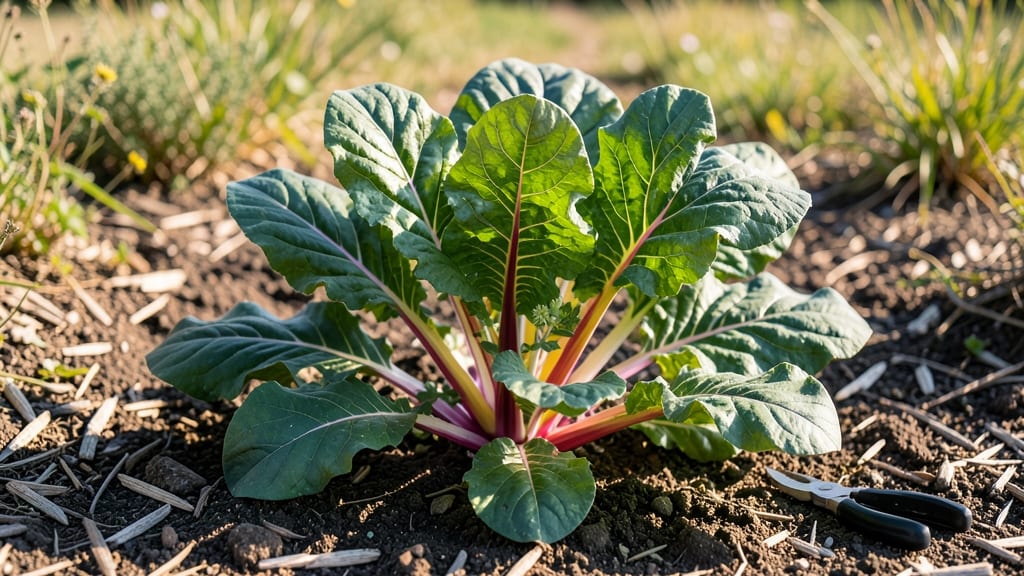
Growing chard through its full season means timing your plantings right — miss the window, and you’ll lose out on tender leaves and sturdy stems all year.
Wondering when to plant chard for a bountiful harvest? Timing is everything — get it wrong, and you’ll miss out on crisp, flavorful leaves all season long.
But here’s the good news: chard 🥬 is one of the most forgiving cool-season crops, thriving in zones 3 through 10 and even tolerating light frosts.
In USDA Zone 6a, like where I garden, the ideal window is April to May after the last frost, but the real secret is knowing how to stretch that harvest into late fall.
Whether you’re a beginner or a seasoned grower, this guide breaks down the exact months to plant, when to expect your first harvest, and how to keep your chard producing well past summer’s heat.
You’ll learn how to adjust for early springs, late falls, and even container gardening — plus, the cut-and-come-again method to keep your plants yielding for months. Let’s get started.
Best chard growing zones and planting months by USDA region
Chard thrives in USDA zones 3 through 10, making it one of the most versatile cool-season vegetables for gardeners across North America. Unlike heat-sensitive greens, chard handles light frosts and even winter planting in mild climates, giving you harvests from spring through fall.
The key to success? Understanding your local frost dates and planting at the right time for both spring and fall crops.
In cold climates (zones 3-5), chard grows best when planted early spring (as soon as soil can be worked) and again in late summer for a fall harvest. Gardeners in warmer zones (7-10) can enjoy year-round production with proper shade and watering during peak summer heat.
Let’s break down the best planting months by region to maximize your harvest.
🌱 Pro Tip: Chard’s cold tolerance means you can start seeds 2-3 weeks before your last frost date—even under light frost cloth—for an earlier harvest. Just avoid planting when hard freezes are expected.
| USDA Zone | Spring Planting | Fall Planting | Frost Tolerance | Harvest Window |
|---|---|---|---|---|
| 3-4 | Mid-April to early May (after last frost) | Late July to early August (6-8 weeks before first frost) | Survives 20°F with protection | June–September (extend with row covers) |
| 5-6 | Early April to mid-May | Early August to mid-September | Tolerates 15°F lightly | May–October (or until hard frost) |
| 7-8 | February–March (early) or September–October (fall) | August–September (for winter harvest) | Handles 28°F easily | March–November (year-round in zone 8+) |
| 9-10 | Year-round (best in cool months) | Plant year-round for continuous harvest | Thrives in 30°F+ temps | January–December (shade in summer) |
For zone 3-5 gardeners, focus on spring planting in April and fall succession planting in July to avoid late-season bolting. In zones 6-7, you can stretch harvests by planting every 2-3 weeks from spring through early summer.
Meanwhile, southern gardeners (zones 8-10) can treat chard as a year-round crop, using shade cloth during summer to prevent bolting.
Chard’s regrowth ability makes it perfect for cut-and-come-again harvesting. After your first harvest in late spring, you’ll see new growth in 4-6 weeks—ideal for fall crops.
In warmer zones, this cycle continues until first frost, while northern gardeners can extend harvests with row covers or a cold frame.
If you’re in zone 4 or colder, prioritize early spring planting (as soon as soil thaws) and use black plastic mulch to warm the soil faster. For zone 9-10 gardeners, avoid planting during peak summer heat (June–August) unless you provide afternoon shade and frequent watering.
The goal is to keep soil temps below 80°F for optimal growth.
💡 Frost Tip: Chard tolerates light frosts (28°F+) but may suffer leaf damage below 20°F. Use row covers or straw mulch to protect plants during early spring or late fall cold snaps. In zone 3, wait until after May 1 to plant for safety.
For container growing, chard adapts well to pots as long as you use a 5-gallon minimum and ensure drainage holes. Plant in late spring (after last frost) and move containers to partial shade during summer heat.
In zones 7-10, you can even overwinter chard in containers by moving them to a sheltered porch or garage during freezes.
🌿 Varietal Note: Bright Lights chard handles heat better than Fordhook Giant, making it ideal for zones 8-10. For
Chard harvest timelines by month: when to expect leaves, stems, and regrowth
Timing your chard harvest correctly ensures you enjoy crisp, flavorful leaves and tender stems all season. Unlike many vegetables, chard rewards you with cut-and-come-again growth—meaning you can harvest leaves repeatedly without sacrificing the plant.
But knowing when to harvest and how to extend your harvest in warm climates is key to maximizing your yield.
Your chard’s journey from seedling to mature plant spans about 50-70 days, but the real magic happens when you understand monthly harvest windows.
Whether you’re growing bright lights chard or Fordhook giant, the principles are the same: harvest young leaves for tenderness, let stems thicken for crisp texture, and use regrowth cycles to keep your plants producing well into fall—or even winter in mild climates.
Plant seeds 4-6 weeks before last frost. Seedlings emerge in 7-14 days. Focus on thinning seedlings to 2-3 inches apart for optimal growth.
Leaves reach 4-6 inches—time for your first harvest. Cut outer leaves to encourage regrowth. Stems may still be tender; wait until they thicken for crisp texture.
This is your golden harvest window. Leaves and stems are at peak flavor. Use cut-and-come-again method: harvest outer leaves every 2-3 weeks to keep plants productive.
In cooler climates, chard bolts less easily than spinach. Continue harvesting leaves until first frost. In warm zones, protect with row covers to extend harvest into late fall.
In USDA Zones 7-10, chard thrives in winter. Leaves may grow slower but stay sweet and tender. Mulch heavily to protect roots from freezing temps.
To extend your harvest in warm climates, try succession planting every 3-4 weeks from spring to early summer. This ensures a steady supply of fresh leaves and stems. In hotter regions, provide afternoon shade to prevent bolting—chard prefers cool temperatures for optimal growth.
Pro tip: Harvest young leaves for salads and older stems for sautéing. The cut-and-come-again method works best when you leave the inner leaves intact, allowing the plant to regrow. With the right timing, you can enjoy chard from late spring to winter—or even year-round in mild climates!
Remember, chard’s regrowth ability makes it one of the most forgiving vegetables to grow. Even if you miss a harvest window, your plants will bounce back—just keep them well-watered and fed to encourage new growth.