
Blooming
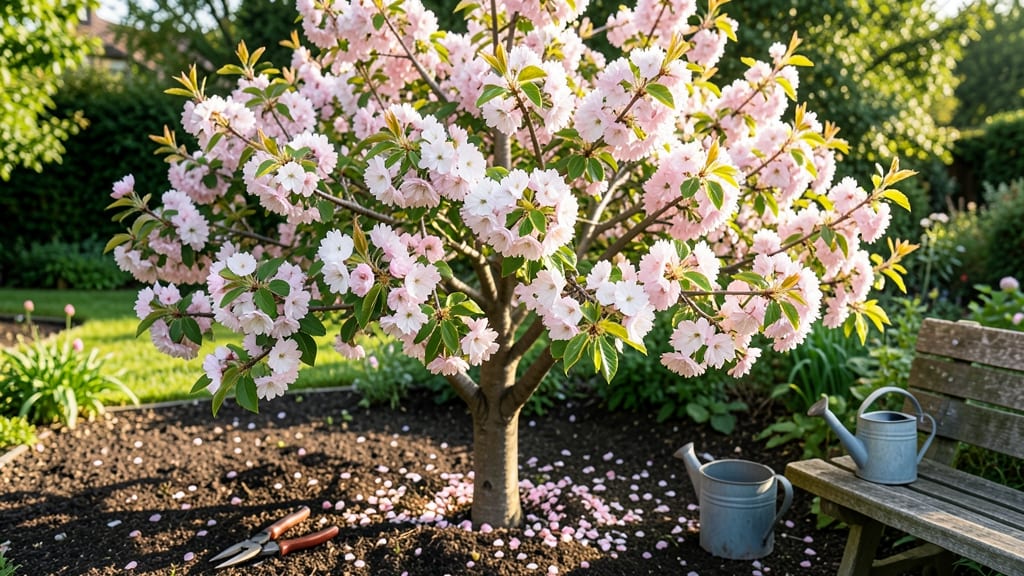
The cherry tree blooming season varies by zone but always brings a breathtaking burst of pink and white 🌸 that lasts just a few weeks—so timing matters more than you might think.
Imagine waking up to a canopy of delicate pink blossoms, filling the air with intoxicating fragrance—this is the magic of cherry tree blooming season, a fleeting spectacle that transforms any garden into a dreamy paradise.
In USDA Zone 6a, where many gardeners live, blooms typically arrive in late April, but a late frost can push them back to May, while warmer zones like 8 or 9 might see flowers as early as February.
Whether you’re planning a spring celebration or just want to enjoy the show, knowing your exact blooming window—and how to care for your tree—is the key to making the most of this once-a-year display.
When do cherry trees bloom? Exact months by USDA hardiness zones
Cherry trees are famous for their spectacular spring blooms, but timing varies dramatically depending on your USDA hardiness zone. In colder zones like 3-5, buds often wait until late May to open, while warmer zones 8-10 may see flowers as early as February.
This variation means your blooming window could shift by 3-4 months across the country.
The key factor is chilling hours—most cherry trees need 500-1,000 hours below 45°F to trigger blooming. Without enough cold, buds may fail to open at all. Even in ideal zones, a late frost can devastate delicate blossoms, so knowing your exact window helps you protect your tree.
Here’s how to find your personalized blooming window based on your zone, plus tips to extend the season and protect against frost damage.
| USDA Zone | Bloom Window | Frost Risk | Climate Notes |
|---|---|---|---|
| 3-4 | Late May - Early June | High (late frosts common) | Short growing season; choose cold-hardy varieties like Montmorency. |
| 5-6 | Mid-April - Late May | Moderate (watch for April frosts) | Classic Yoshino blooms here; prune after blooming to avoid winter damage. |
| 7-8 | Early March - Mid-April | Low (occasional late frosts) | Longer bloom season; Kwanzan thrives with double blooms. |
| 9-10 | February - Early March | Minimal (rare frosts) | Early bloomers like Autumn Brilliance shine; minimal frost risk. |
If you’re in Zone 6a, like many gardeners, expect blooms around late April, but monitor weather forecasts. A 32°F frost after buds swell can kill blossoms overnight—so be ready with frost cloths or a sprinkler system to protect your investment.
Climate variations also play a role. In Pacific Northwest zones 7-9, mild winters mean earlier blooms, while Southern zones 8-10 may see two bloom cycles if temperatures fluctuate. Even within the same zone, microclimates—like urban heat islands—can shift timing by 1-2 weeks.
For early bloomers like Kwanzan cherry, plan to enjoy flowers by early April in Zone 7, but late frosts can delay until May. Meanwhile, late bloomers like Autumn Brilliance wait until June in cooler zones, offering a second chance for color.
To extend your blooming season, choose multiple varieties with staggered timing. A Yoshino cherry (early) paired with a Kwanzan cherry (mid-season) can create a 6-week floral display. Just ensure each gets full sun and well-draining soil to support vigorous growth.
Protecting your tree from late frosts is critical. If your local forecast predicts 32°F or below after buds swell, cover the tree with frost cloth or wrap the trunk with burlap.
Watering the soil before a frost also helps insulate roots. In extreme cases, a heated tree wrap can save your blossoms.
Once you know your exact blooming window, you can time pruning, fertilizing, and even photography sessions for perfect shots. For example, in Zone 5, prune in late May after blooms fade, while Zone 9 gardeners can prune in early February before buds swell.
Remember, cherry trees are short-lived bloomers—some varieties only produce heavy flowers for 10-15 years. By protecting your tree from frost and providing consistent care, you’ll enjoy decades of spring magic every year.
How to maximize cherry tree blooms: pruning and care tips for year-round health
To unlock the full potential of your cherry tree's blooming season, you need to think beyond spring. The secret lies in year-round care that prepares the tree for its spectacular display.
I’ve learned that consistent maintenance—especially during winter dormancy and early spring—can transform a modest cherry tree into a showstopping spring spectacle that lasts for decades. Let’s break down the essential steps to ensure your tree blooms vibrantly every year.
First, understand that cherry trees need a balance of pruning, watering, and seasonal adjustments to thrive. Winter is the perfect time to plan your spring pruning, while summer watering sets the stage for next year’s blooms.
By following a structured care calendar, you’ll create an environment where your tree can focus its energy on producing those fragrant pink blossoms you love. Let’s dive into the seasonal tasks that will make all the difference.
Winter is often overlooked, but it’s the foundation for a vibrant blooming season. During dormancy, focus on pruning out dead or diseased branches to improve the tree’s structure. This is also the time to add organic mulch around the base, which insulates the roots and retains moisture.
I’ve seen cherry trees in my garden thrive for decades simply because I prioritize this winter care. It’s like giving your tree a cozy blanket to rest under!
When spring arrives, the real magic begins. Early spring pruning is critical—avoid heavy cuts until after the blooms fade, as flower buds form on the previous year’s growth. Instead, focus on removing water sprouts and crossing branches to encourage airflow.
I always apply a balanced fertilizer in early spring to give the tree the nutrients it needs to produce abundant blooms. This is the time to set the stage for a showstopping display.
Summer care is all about consistent watering and maintenance. Cherry trees need deep, infrequent watering to develop strong roots. I water mine every 5-7 days during peak summer, ensuring the soil is moist but not soggy.
This is also when I prune suckers and thin out dense foliage to prevent disease. A well-maintained tree in summer will reward you with healthier blooms next spring.
Fall is the time to prepare your cherry tree for dormancy. Gradually reduce watering to harden off the tree and remove any fallen leaves or debris. This prevents fungal diseases from taking hold over winter, which could weaken the tree’s ability to bloom the following spring.
I also take this time to inspect the tree for pests or early signs of disease, addressing any issues before they become problematic.
By following this seasonal care calendar, you’ll ensure your cherry tree stays healthy and vibrant for decades. The key is consistency—prune in winter, fertilize in spring, water deeply in summer, and prepare for dormancy in fall.
With these steps, your cherry tree will reward you with year after year of stunning blooms, turning your garden into a springtime paradise. 🌸