
Blooming
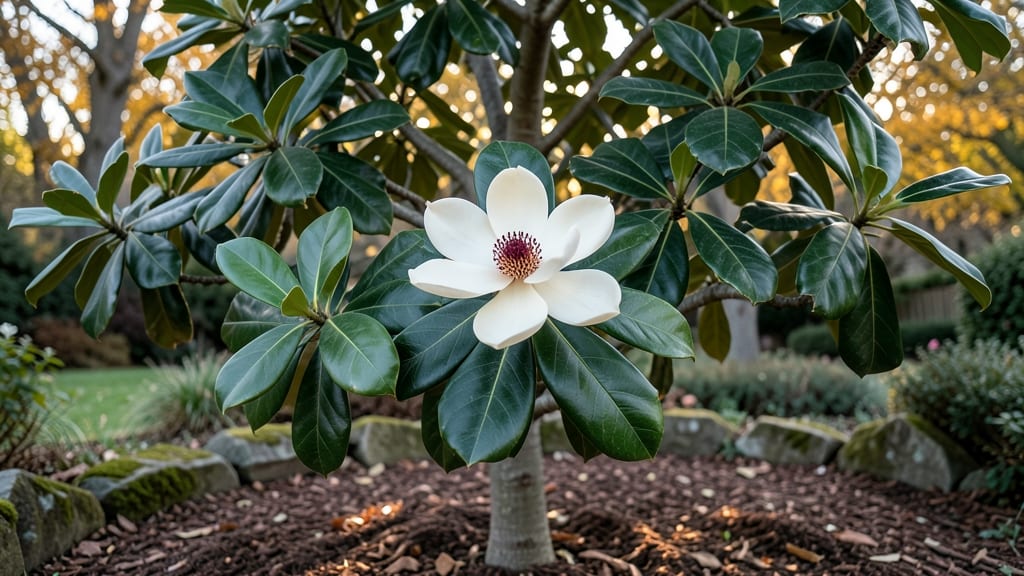
The magnolia tree blooming season arrives with surprising timing—some varieties greet spring’s first chill, while others dazzle in summer’s golden heat. 🌸 The exact months depend on your region and which magnolia species you grow, but knowing these windows lets you plan. for the fragrant spectacle ahead.
Southern magnolias like Magnolia grandiflora bloom from mid-spring to early summer, while late-blooming varieties such as Magnolia stellata wait until late spring or even early summer—sometimes extending into June.
In cooler climates (USDA Zones 5-6), blooms may push into July, and in the South, they can start as early as February for early varieties.
Climate plays a big role—warmer winters delay blooms, while cold snaps can trigger early flowers. Pruning after blooming keeps trees healthy, and mature trees (10+ years) often bloom more reliably. The payoff? Fragrant spikes that turn heads and fill the air with that unmistakable magnolia scent.
Set a calendar reminder for your region's peak bloom time—it’s the best way to catch those fleeting moments when branches bend under the weight of blossoms. A quick photo or two captures the magic before petals fall.
📚 In This Guide
- What you need
- Instructions
- Tips and common mistakes
- Wrapping up and next steps
What you need
- ● Magnolia tree (choose a variety suited to your region, like Magnolia grandiflora or Magnolia stellata)
- ● Well-draining soil (pH 5.0–6.0 for optimal growth; mix in compost or peat moss if needed)
- ● Organic mulch (3–4 inches of pine bark, wood chips, or shredded leaves)
- ● Slow-release fertilizer (balanced 10-10-10 or acidic fertilizer like 8-3-9)
- ● Pruning tools (sharp bypass pruners, loppers, and a pruning saw for thicker branches)
- ● Gloves & safety goggles (to protect from thorns and debris)
- ● Watering can or hose with a gentle spray nozzle (for deep, consistent watering)
- ● Stakes & ties (if planting a young tree to provide support)
- ● Tree guards (to protect young trunks from pests or curious critters)
- ● Soil moisture meter (to monitor hydration levels, especially in drought-prone areas)
- ● Epsom salt or iron supplements (if leaves show signs of yellowing or chlorosis)
- ● Fungicide (copper-based or neem oil) (to prevent powdery mildew or other fungal issues)
- ● Ph meter kit (for testing soil acidity if your region’s soil is alkaline)
- ● Camera or sketchbook (to document blooming progress—because magnolia magic deserves a keepsake!)
When magnolias bloom: exact timing by region for peak fragrance
Here’s how to predict your magnolia’s bloom window—down to the month—using climate patterns and tree maturity.
🌿 Step 1: Identify Your Magnolia’s Species and Maturity
Magnolias bloom at different times based on species and age. Southern magnolias (Magnolia grandiflora) typically flower in late spring to early summer (May-June), while saucer magnolias (Magnolia × soulangeana) often burst into bloom in early spring (March-April). Star magnolias (Magnolia stellata) are early risers, flowering in late winter to early spring (February-March).
Young trees (under 5 years old) may produce only a few blooms, while mature specimens (over 10 years) put on a spectacular show. If your tree hasn’t bloomed yet, it might still be establishing its root system—patience is key. I’ve seen a 15-year-old star magnolia finally explode with flowers after a winter with consistent 40°F minimum temperatures.
☀️ Step 2: Track Local Climate Cues for Bloom Prediction
Magnolias are sensitive to temperature shifts. They begin blooming when daytime highs consistently reach 60°F after a period of dormancy. In the South (Zones 7-9), this usually happens in March-April, while in the Mid-Atlantic (Zones 6-7), blooms arrive 2-4 weeks later (April-May). Northern growers in Zones 4-5 should watch for late May-June blooms, as cooler springs delay flowering.
Watch for bud swell—the tight, green buds will plump up noticeably before opening. If a hard frost (below 28°F) hits while buds are swollen, they may drop. I once lost a promising bloom cycle when a late April frost hit my saucer magnolia—now I cover young buds with frost cloth if frost is forecasted.
🌱 Step 3: Adjust Care to Encourage Reliable Blooming
Magnolias need full sun (6+ hours daily) and well-draining, slightly acidic soil (pH 5.0-6.5) to produce abundant blooms. If your tree is in shade or compacted soil, it may focus energy on foliage instead of flowers. I’ve seen magnolias in partial shade produce fewer blooms, but their leaves stay lush—it’s a trade-off.
Feed mature trees in early spring (March) with a balanced, slow-release fertilizer (10-10-10) to support bloom production. Avoid high-nitrogen fertilizers, which encourage leafy growth at the expense of flowers. Water deeply once a week during dry spells, ensuring the root zone stays moist but not soggy—soggy soil stresses roots and delays blooming.
⏰ Step 4: Time Pruning to Preserve Next Year’s Blooms
Magnolias bloom on old wood, meaning last year’s growth produces this year’s flowers. Prune only after blooming (late summer to early fall) to avoid cutting off next year’s buds. Remove dead, diseased, or crossing branches with clean, sharp pruners, cutting just outside the branch collar. I prune my star magnolia in September—this gives it time to heal before winter dormancy.
Never prune in late winter or early spring, as this removes flower buds before they open. If you must shape the tree, limit cuts to no more than 25% of the canopy in a single season. Over-pruning weakens the tree and reduces blooming potential—this is one plant where restraint pays off.
🌸 Step 5: Extend the Bloom Season with Strategic Planting
For a prolonged display, plant multiple magnolia species with staggered bloom times. Pair an early bloomer like Magnolia stellata (February-March) with a late bloomer like Magnolia grandiflora (May-June). This creates a 3-4 month bloom window in a single landscape. I planted a star magnolia alongside a saucer magnolia, and now my garden has fragrant blooms from late February through June.
Mulch around the base with 3 inches of organic mulch (wood chips or pine straw) to insulate roots and maintain even soil temperatures. This helps regulate bloom timing, especially in unpredictable climates. Just keep mulch 6 inches away from the trunk to prevent rot. A well-mulched magnolia blooms more reliably year after year.
Tips & tricks for perfect magnolia bloom timing
Here's what nobody tells you about getting those fragrant magnolia blooms right on schedule—down to the details that make all the difference.
Species-Specific Attention: Pay close attention to your magnolia's species when predicting bloom times. Southern magnolias (Magnolia grandiflora) often need that extra warmth of May-June to fully open their blooms, while star magnolias (Magnolia stellata) might start showing buds as early as February in milder climates. I once had a neighbor swear their star magnolia would bloom in March, only to discover it was actually a saucer magnolia that bloomed two weeks later—species matter!
Temperature Matters: Those 40°F minimum temperatures mentioned for winter aren't just arbitrary—they're critical for bud formation. If your winters dip below this consistently, your magnolia might delay blooming or produce fewer flowers. I've seen magnolias in Zone 5 with inconsistent winter warmth push their bloom window back by 3-4 weeks compared to their neighbors with more stable temperatures. Consider using frost cloth to protect buds during late frosts when daytime highs approach 60°F—that's when buds are most vulnerable.
Pruning Precision: When you prune in September as recommended, focus on making clean cuts just outside the branch collar. I've made the mistake of cutting too close to the trunk, which can leave unsightly stubs and stress the tree. Also, never remove more than 25% of the canopy in one season—this is where many gardeners go wrong. The key is patience; magnolias reward restraint with better blooming the following year.
Soil Science: That pH 5.0-6.5 range for soil isn't just a suggestion—it's essential for nutrient uptake that supports blooming. If your soil tests higher, consider adding sulfur or peat moss to lower the pH gradually. I've seen magnolias in alkaline soil produce beautiful leaves but struggle with blooms until we adjusted the pH. And remember, well-draining soil prevents those soggy roots that delay flowering—amend heavy clay soils with compost to improve drainage.
Pro Tips for Magnolia Tree Blooming Season
- Here's what nobody tells you about getting those fragrant magnolia blooms right on schedule—down to the details that make all the difference.
- Species-Specific Attention: Pay close attention to your magnolia's species when predicting bloom times.
- Temperature Matters: Those 40°F minimum temperatures mentioned for winter aren't just arbitrary—they're critical for bud formation.
Frequently asked questions
When is the best time to plant a magnolia for optimal blooming?
The ideal time to plant a magnolia is in early spring or fall—just before or after its natural blooming season. Planting in late winter (before buds swell) or early autumn (4-6 weeks before frost) gives roots time to establish before the tree focuses on flowering. Avoid planting in summer heat or winter frost, which can stress young roots.
Why isn’t my magnolia tree blooming this year?
Magnolias often take 3-5 years to bloom after planting, especially if young. Common reasons for delayed blooms include over-pruning (cutting back flowering branches), poor sunlight (they need 6+ hours of sun), or nutrient deficiencies. If established but still not blooming, check for root-bound roots or disease (like powdery mildew).
Do magnolias bloom at the same time everywhere?
No! Blooming seasons vary by region and species. Southern magnolias (like Magnolia grandiflora) bloom in late spring to summer, while early bloomers (like Magnolia stellata) burst into flowers in late winter or early spring. Check your USDA hardiness zone—Zone 4-5 trees may bloom earlier than Zone 8-9 varieties.
Can I force a magnolia to bloom earlier or later?
You can’t force blooms, but you can influence timing slightly. For earlier blooms, plant in a sheltered, sunny spot to warm roots faster. To delay blooms (if frost threatens), prune after flowering and avoid heavy fertilizing in late summer. However, pushing timing too hard can stress the tree—patience is key!
What’s the difference between Southern and star magnolia blooming?
| Feature | Southern Magnolia (grandiflora) | Star Magnolia (stellata) |
|---|---|---|
| Bloom Time | Late spring to summer (May–July) | Late winter to early spring (Feb–April) |
| Flower Shape | Large, cup-shaped, creamy-white | Small, star-like, pink/purple |
| Fragrance | Strong, sweet (noticable at night) | Mildly sweet, less overpowering |
Star magnolias are hardier in cold climates and bloom earlier, while Southern magnolias thrive in heat but bloom later.
Wrapping up and next steps
The magnolia tree blooming season is a breathtaking spectacle that varies by region, offering fragrant spikes of color from early spring to late summer.
Whether you're a gardener eager to plant or a nature lover planning a visit, knowing the exact months for your area ensures you won’t miss this floral masterpiece.
Now that you’re armed with the timing, take the next step—whether it’s planting a magnolia in your yard, visiting a local arboretum, or simply admiring one on a stroll. The beauty of magnolias is worth the wait, so enjoy the anticipation! 🌸