
Blooming
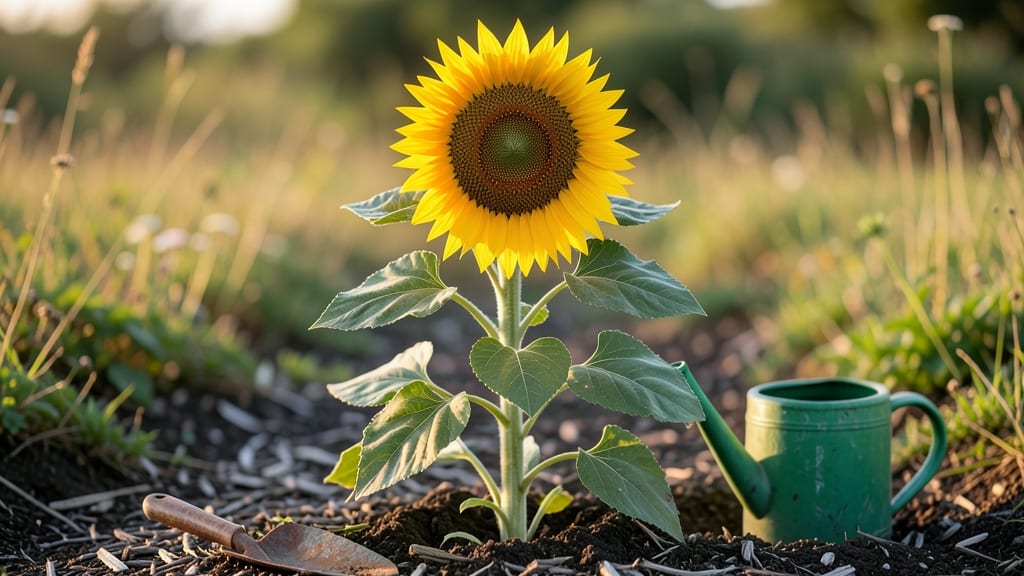
The sunflower blooming season arrives in summer, turning your garden into a golden sea of cheerful faces—but the exact timing depends on your location and planting schedule.
Picture this: you’ve waited all season, and your 🌻 sunflowers finally reach their towering height, only to realize they’re blooming weeks late — or worse, not at all. That’s the frustration of missing the ideal blooming window, and it’s easier to avoid than you think.
From the cool north to the warm south, sunflowers follow a predictable schedule when you plant them at the right time.
In Zone 6a, where many gardeners live, they typically burst into color between July and October, but a late frost or early heat can shift that window dramatically.
In this guide, I’ll break down the exact months for your zone, share pro tips to extend your blooming season, and explain how sunlight, soil, and even variety choices can make or break your sunflowers’ timing.
Sunflower blooming season by USDA planting zones: month-by-month guide
Timing your sunflower planting is the secret to witnessing their golden blooms at their peak. Since sunflowers thrive in warm weather, their blooming season varies dramatically across USDA zones 3-11.
In colder zones like Zone 3, you’ll see blooms in late summer, while tropical Zone 11 gardens enjoy year-round possibilities. Understanding these differences ensures you don’t miss a single sunflower spectacle.
Climate plays a huge role in bloom timing. Day length and temperature trigger flowering, so early-season varieties in Zone 4 might bloom in July, while late varieties in Zone 9 could stretch blooms into November.
Adjust your planting dates based on your zone to align with these natural cues. For example, early varieties planted in May will bloom faster than tall varieties sown in June.
Here’s how to match your sunflower varieties with your zone for perfect timing:
| USDA Zone | Best Planting Month | Blooming Window | Early Variety | Mid-Season Variety | Late Variety |
|---|---|---|---|---|---|
| Zone 3-4 | May-June | July-August | 'Autumn Beauty' | 'Moulin Rouge' | 'Russian Giant' |
| Zone 5-6 | April-May | June-September | 'Teddy Bear' | 'ProCut' | 'Mammoth' |
| Zone 7-8 | March-April | May-October | 'Sunspot' | 'Autumn Beauty' | 'Russian Giant' |
| Zone 9-10 | February-March | April-November | 'Teddy Bear' | 'ProCut' | 'Mammoth' |
| Zone 11 | Year-round | Year-round | 'Sunspot' | 'Autumn Beauty' | 'Russian Giant' |
*Blooming windows may shift 1-2 months based on microclimates and weather patterns.
In Zone 3-4, where summers are short, focus on early-maturing varieties like 'Autumn Beauty' to guarantee blooms before the first frost. These varieties typically bloom in July-August, giving you just enough time to enjoy their vibrant petals.
Plant seeds in late May to avoid frost damage while ensuring warm soil for germination.
Gardeners in Zone 5-6 have the luxury of a longer blooming window, from June through September. This zone benefits from succession planting: sow seeds every 2-3 weeks to enjoy continuous blooms.
For example, plant 'Teddy Bear' in early April for early summer color, then follow with 'Mammoth' in mid-May for late-season height.
Warmer climates like Zone 7-8 allow for year-round planting with strategic timing. Start with early varieties like 'Sunspot' in March for spring blooms, then transition to 'Russian Giant' in June for fall displays.
These zones also support overwintering in mild winters, letting you plant as late as September for winter blooms.
In Zone 9-10, sunflowers can bloom almost year-round if planted correctly. Take advantage of this by staggering plantings every 6-8 weeks. For instance, sow 'ProCut' in February for spring blooms, then repeat in June for autumn color.
These zones also allow for taller varieties like 'Mammoth' to thrive without frost concerns.
Tropical Zone 11 is unique because sunflowers can bloom in any month with the right care. Plant dwarf varieties like 'Sunspot' for quick color, or try tall varieties like 'Russian Giant' for dramatic height.
Since frost isn’t a concern, you can experiment with monthly plantings to create a continuous bloom cycle.
To maximize your sunflower blooming season, pay attention to soil temperature and
How to extend your sunflower blooming season with smart gardening
Sunflowers are summer’s showstoppers, but their golden blooms don’t have to vanish after a single season. With a few strategic gardening tricks, you can stretch their beauty from early summer through fall. The secret?
Combining succession planting, early-maturing varieties, and protective techniques like row covers. This approach ensures your garden stays vibrant with sunflowers for up to 4 months—or longer in warm climates.
Start by choosing fast-blooming varieties that mature in 60-80 days. These early bloomers create a staggered display, while later varieties take over as the season progresses. Pair this with succession planting every 2-3 weeks—sow new seeds as soon as the first blooms appear.
This creates a continuous color cascade that keeps pollinators buzzing all season long. For cooler regions, row covers can push back frost dates by 2-4 weeks, giving your sunflowers extra time to shine.
- 1 Succession Planting: Sow seeds every 2-3 weeks from spring to early summer. Use fast varieties (60-80 days) first, then mid-season (80-100 days) and late-season (100+ days) types. Example: Plant 'Autumn Beauty' in June for fall color.
- 2 Variety Selection: Choose 3-5 varieties with staggered bloom times. Top picks: 'Moulin Rouge' (early, 60 days), 'Russian Giant' (mid, 90 days), and 'Teddy Bear' (late, 110 days). This ensures overlapping blooms for 3+ months.
- 3 Row Covers: Use floating row covers in early spring or late fall to extend the growing season by 3-4 weeks. Secure covers with bricks or clips to avoid crushing stems. Remove during peak bloom to prevent overheating.
- 4 Deadheading: Snip off spent blooms to encourage secondary blooms on some varieties (e.g., 'ProCut'). Use clean shears and cut 1-2 inches below the flower head. Avoid over-pruning—focus on 1-2 stems per plant to maintain vigor.
- 5 Soil & Water: Amend soil with compost before planting for nutrient-rich growth. Water deeply 2-3x/week during bud formation. Mulch with straw to retain moisture and suppress weeds, which reduces stress on plants.
Don’t overlook dwarf varieties for container gardening or small spaces. Types like 'Teddy Bear' (2-3 feet tall) bloom 10-14 days earlier than standard varieties and often produce multiple blooms per stem.
Place them near tall varieties to create a dynamic height gradient in your garden. For example, pair 'Moulin Rouge' (red-petaled) with 'Russian Giant' (12+ feet) for a stunning vertical display.
If your sunflowers start wilting before their time, check for pests like sunflower moths or powdery mildew. Treat affected plants with neem oil and ensure good air circulation to prevent fungal issues.
In Zone 7 and warmer, some varieties like 'Autumn Beauty' may even rebloom in fall if given proper care. With these strategies, your sunflower season can last from June through October—or even later in mild climates.
Pro tip: Keep a planting calendar to track bloom dates and succession schedules. Mark your garden with stakes or flags for each planting batch. This visual reminder ensures you never miss a sowing window and guarantees a non-stop sunflower spectacle all season long. 🌻