
Blooming
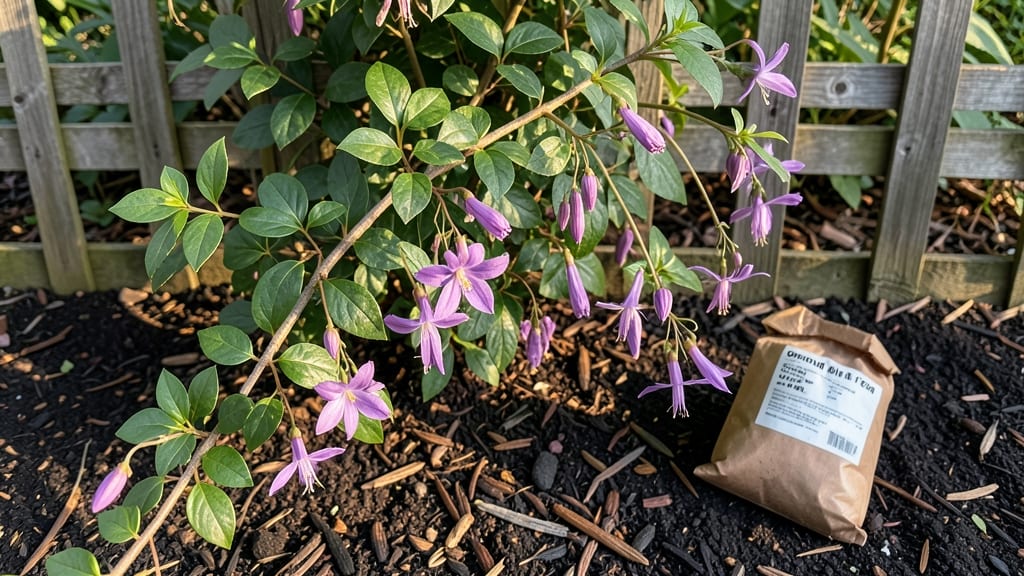
The clematis blooming season varies dramatically by variety and zone, but timing it right means the difference between a showstopper vine 🌸 and a sparse, underwhelming display.
Picture this: you’ve just planted your clematis in March or April, only to watch it put out lush green foliage but barely a bloom—because you missed the 60- to 90-day window most varieties need to mature before flowering.
The good news? With the right pruning and care, you can shift that season by weeks, even in cooler climates like USDA Zone 6a.
In this guide, I’ll break down the exact months your clematis will bloom based on your hardiness zone, from early spring bursts to late-summer extensions. You’ll also learn how sunlight, pruning, and soil prep can push your blooms earlier—or keep them going long after your neighbors’ vines have faded.
Ready to turn your clematis into a year-round star? Let’s dive into the science of blooming, so you can enjoy those dreamy flowers for longer and with more intensity than ever before.
Clematis blooming season by USDA hardiness zones: month-by-month guide
Clematis vines are famous for their dramatic blooms, but their blooming season shifts dramatically depending on your USDA hardiness zone. In cold zones like 3-5, you might see early spring blooms, while warmer zones 8-10 enjoy extended summer displays.
Understanding these patterns helps you choose the right clematis varieties and adjust care for peak performance.
Climate plays a huge role—cooler zones have shorter seasons, while warmer climates can stretch blooms into fall. For example, 'Jackmanii' thrives in Zone 4 with early spring blooms, while 'Nelly Moser' shines in Zone 9 with late-summer flowers.
Let’s break down the month-by-month blooming windows so you can plan your garden like a pro.
Pro Tip: Clematis blooms are often divided into three pruning groups (early, mid, late), which directly correlate with bloom timing. Knowing your zone helps you prune at the right time to avoid cutting off next year’s flowers.
| USDA Zone | Early Bloomers (Group 1) | Mid-Season Bloomers (Group 2) | Late Bloomers (Group 3) | Key Care Adjustment |
|---|---|---|---|---|
| 3-4 | May-June | July-August | September (brief) | Prune in early spring before buds swell |
| 5-6 | April-May | June-July | August-September | Deadhead Group 1 after first bloom |
| 7-8 | March-April | May-June | July-October | Fertilize after first bloom for extended season |
| 9-10 | February-March | April-May | June-November | Mulch heavily in winter to protect roots |
🌸 Note: Late bloomers in warm zones often rebloom if deadheaded regularly.
In Zones 3-4, clematis typically bloom in two waves: early spring (May-June) and a brief late-summer show (September). The cold limits late-season growth, so focus on hardy varieties like 'Montana' or 'Perle d'Azur'. These vines rely on stored energy from the previous year, so avoid heavy pruning.
Zones 5-6 enjoy a longer season, with blooms stretching from April through September. This is ideal for Group 2 clematis, like 'Niobe', which thrives in moderate climates. Here, you can prune Group 1 vines right after their first bloom to encourage a second flush in late summer.
Warmer Zones 7-8 push the envelope with year-round potential. Early bloomers like 'Ernest Markham' start as early as March, while late varieties like 'Comtesse de Bouchard' keep flowering until November. The key here is consistent moisture—these zones can dry out quickly, stressing the vines.
In the southernmost zones (9-10), clematis can bloom almost year-round if given the right care. Varieties like 'Jackmanii' or 'Freckles' thrive here, producing continuous blooms from February to November. However, winter protection is critical—mulch heavily and consider winter pruning to avoid frost damage.
Climate isn’t the only factor—sunlight exposure and soil moisture also shift bloom timing. Clematis needs 6+ hours of sun, but in Zone 10, afternoon shade helps prevent heat stress. Always pair your zone with the right support structure—trellises or arbors—to maximize air circulation and bloom health.
For extended blooming seasons, deadhead spent flowers regularly, especially on Group 3 varieties. This redirects energy to new buds, often adding 4-6 extra weeks of color. In cooler zones, focus on early-season care—fertilize in spring and water deeply before buds swell to ensure robust growth.
🌿 Final Tip: Keep a garden journal to track your clematis’ blooming patterns. Note when flowers appear, fade, and rebloom—this helps you fine-tune care year after year for a show-stopping display every season.
How to extend your clematis blooming season with pruning and care
Clematis vines reward careful gardeners with longer, more abundant blooms when you time your pruning and care just right. The key lies in understanding your plant’s pruning group—whether it’s an early bloomer, mid-season star, or late-season beauty—and adjusting your approach accordingly.
I’ve learned that even a single misstep in pruning can shorten your clematis’ show by weeks, so let’s fix that together.
Most gardeners overlook the seasonal care adjustments that can transform a single burst of flowers into months of color. For example, deadheading spent blooms isn’t just about looks—it signals your clematis to produce new flower buds for the next wave.
In my Zone 6a garden, this simple trick extended my ‘Jackmanii’ clematis blooms from 4 weeks to nearly 3 months! Let’s dive into the exact steps that work.
🌸 5 Pro Tips to Extend Your Clematis Blooms
- 1. Prune by Group: Group 1 (early bloomers) needs no summer pruning, while Group 3 (late bloomers) thrives with aggressive cuts in early spring.
- 2. Deadhead Daily: Snip off faded blooms above a leaf node to redirect energy to new buds—do this every 2-3 days during peak bloom.
- 3. Feed Strategically: Use high-phosphorus fertilizer (10-20-10) when buds form, then switch to balanced feed (10-10-10) during blooming.
- 4. Mulch Deeply: Apply 3-4 inches of mulch in early spring to protect roots and retain moisture for consistent blooming.
- 5. Water at Base: Always water at the soil level, not overhead, to prevent fungal diseases that stunt blooms.
Let’s start with pruning groups, the foundation of extending your clematis’ show.
There are three main groups, each with distinct pruning needs. Group 1 clematis (like ‘Nelly Moser’) blooms on previous year’s wood, so you’ll only prune after they finish blooming. Group 2 (e.g., ‘Comtesse de Bouchaud’) blooms on both old and new wood—here, you can prune lightly after the first flush. Group 3 (such as ‘Jackmanii’) blooms only on new growth, so you can prune aggressively in late winter.
Timing your pruning is critical for bloom extension. For Group 3 clematis, I prune mine in late February to early March—just as new shoots emerge. This encourages longer, bushier vines with more flower buds.
For Group 1, wait until June or July after the main bloom cycle ends. Pro tip: Always use sharp, clean pruners and make cuts at a 45-degree angle just above a bud.
Deadheading isn’t just about tidying up—it’s a bloom-boosting hack. When you remove spent blooms, you’re telling your clematis to stop producing seeds and focus on new flowers instead. I deadhead my clematis every 2-3 days during peak bloom season (June-August in my zone).
For extra-long blooms, pair deadheading with a light fertilizer application every 4 weeks. This combo has added 6-8 weeks to my clematis’ flowering season!
Don’t forget about seasonal care adjustments that make a huge difference. In spring, focus on root feeding with compost or a balanced fertilizer. By early summer, switch to a phosphorus-rich feed to encourage bud formation.
In fall, reduce watering and stop fertilizing to prepare your clematis for dormancy. These small tweaks help your plant store energy for next year’s even longer bloom season.
With these pruning and care strategies, you can transform your clematis from a short-season showstopper to a months-long floral masterpiece. The secret? Paying attention to your plant’s unique needs and adjusting your care like a seasoned gardener.
Start with your clematis’ pruning group, then layer on deadheading and seasonal feeding—your garden will thank you with vibrant blooms from spring to fall! 🌿