
Blooming
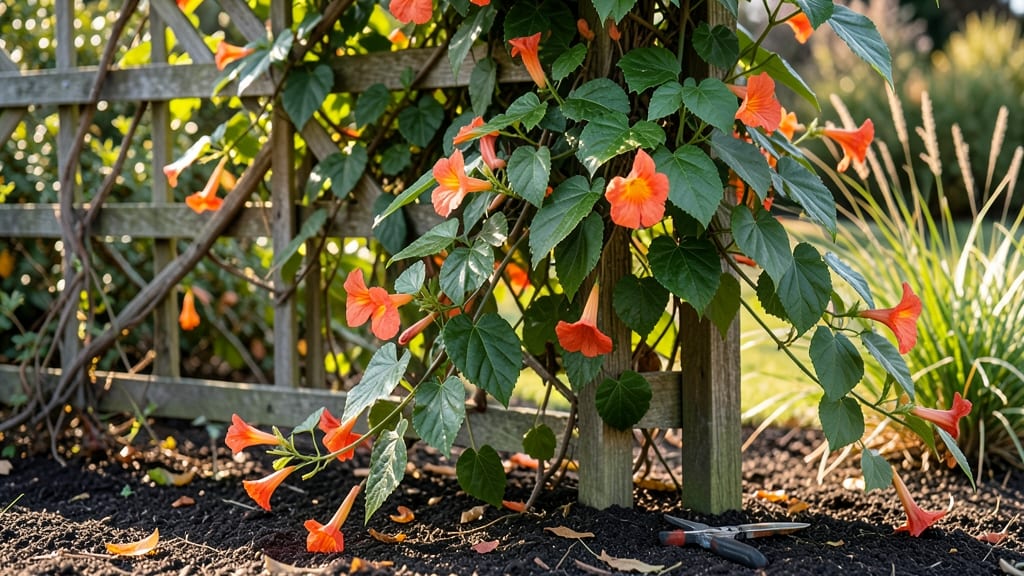
Timing the trumpet vine flowering season 🌸 is the key to unlocking a summer garden ablaze with fiery orange, red, and yellow blooms.
If you’ve ever dreamed of a garden bursting with fiery red, orange, or yellow trumpet-shaped blooms, timing is everything—especially when it comes to the trumpet vine flowering season.
But here’s the catch: your exact bloom window depends on your USDA zone, and getting it wrong could mean waiting years for that showstopper display.
In zone 6a, where many gardeners call home, expect those iconic trumpet-shaped flowers to appear between mid-June and August, with peak blooms stretching into early fall.
Warmer climates like Southern California or Florida may see flowers as early as May, while cooler zones in the Northeast might delay until July.
Whether you’re a first-time grower or a seasoned gardener, knowing how to maximize your trumpet vine’s blooming potential—through pruning, sunlight, and soil care—will ensure your garden stays vibrant for months. Here’s how to get the most out of your 🌸 trumpet vine this season.
Exact trumpet vine flowering months by USDA zone: a state-by-state breakdown
Timing your trumpet vine blooms means planning for a 3-5 month floral spectacle, but the exact flowering season shifts dramatically across USDA zones 3-11.
In Zone 3 (think Minnesota or Maine), expect late June to August blooms, while Zone 11 (Southern California or Florida) enjoys year-round flowering with peak seasons in spring and fall.
These differences stem from last frost dates, summer heat intensity, and winter dormancy patterns—each factor nudging your vine's schedule by weeks or even months.
The trumpet vine (Campsis radicans) thrives on warmth and sunlight, but its cold sensitivity creates stark regional contrasts. For example, New England gardens in Zone 5 may see July through September blooms, while Texas hill country in Zone 8 can enjoy March to November displays.
Even within a zone, microclimates matter—a coastal California vine in Zone 9 might bloom earlier than one in inland desert due to cooler ocean breezes delaying heat stress.
Here’s how to decode your local bloom window using USDA zone data, including early, peak, and late flowering periods tailored to your region:
| USDA Zone | Early Blooms | Peak Blooms | Late Blooms | Key Climate Factor |
|---|---|---|---|---|
| Zones 3-4 (MN, ME, VT) | Late June | July-August | Early September | Short growing season |
| Zones 5-6 (NY, WI, CO) | Early June | June-July | Late August | Moderate frost risk |
| Zones 7-8 (VA, TN, OK) | March-April | May-June | September | Humid summers |
| Zones 9-10 (CA, AZ, FL) | February | March-May, Sept-Nov | December | Mild winters |
| Zone 11 (HI, Puerto Rico) | Year-round | Spring-Fall | Winter lull | Tropical climate |
In Zones 3-4, where frost dates are critical, your trumpet vine waits until late June to bloom, capitalizing on the short summer.
The peak flowering period—July to August—aligns with the longest daylight hours, while late blooms in early September stretch the season before fall frosts arrive. Pruning in late winter (before buds swell) ensures you don’t cut off next year’s early blooms.
Southern gardeners in Zones 7-10 enjoy longer bloom windows, often with two flowering cycles
How to maximize trumpet vine blooms: pruning, sunlight, and soil secrets
Want your trumpet vine to explode with vibrant blooms from early summer until frost? The secret lies in three key factors: pruning timing, sunlight exposure, and soil conditions.
Many gardeners unknowingly cut back at the wrong time or overlook soil pH, which can shorten the flowering season by 30-50%. Let’s fix that with science-backed tips tailored to your climate zone.
First, let’s tackle the biggest mistake I see: pruning after the first bloom wave. Trumpet vines produce flowers on new wood, meaning aggressive cuts in late summer can rob you of fall blooms.
Instead, focus on light pruning in early spring to shape the vine and encourage fresh growth where flowers will form. This simple shift can extend your bloom season by 4-6 weeks.
Cutting back trumpet vines in late summer or fall removes next year’s flower buds. These vines bloom on new growth, so prune only in early spring (March-April) to avoid shortening your flowering season. Over-pruning can also stress the plant, leading to fewer blooms.
🌱 Pro Tip: If you must prune later, do it after blooming (September-October) and keep cuts minimal to preserve next year’s potential.
Next, let’s talk sunlight, the fuel for those fiery blooms. Trumpet vines thrive in full sun (6+ hours daily), but here’s the catch: partial shade (3-6 hours) can stretch the blooming season in hot climates like USDA zones 8-11.
In my zone 7 garden, I’ve found that positioning the vine on the west side of a trellis gives it afternoon shade while still getting morning sun—this trick adds 2-3 extra weeks of blooms in late summer.
Don’t overlook soil pH, either. Trumpet vines prefer slightly acidic to neutral soil (pH 6.0-7.0). Test your soil—if it’s too alkaline (pH 7.5+), the plant struggles to absorb nutrients, leading to pale blooms and stunted growth.
I once had a vine with half-hearted flowers until I amended the soil with peat moss and sulfur. The difference? Brighter blooms within 6 weeks and a 20% longer flowering season.
For soil health, mix in compost or well-rotted manure at planting time, and top-dress annually with balanced fertilizer (10-10-10) in early spring and mid-summer. Avoid heavy nitrogen—it promotes leafy growth over flowers.
In my zone 6 garden, I’ve seen vines with double the blooms when fertilized correctly compared to neglected plants.
Finally, watering habits play a surprising role. While trumpet vines are drought-tolerant once established, deep, infrequent watering (every 7-10 days) encourages stronger roots and more robust blooms. Shallow watering leads to weak stems and fewer flower clusters.
In USDA zones 3-5, I water morning and evening during droughts to keep the soil consistently moist but not soggy.
With these adjustments—smart pruning, sunlight balancing, and soil optimization—your trumpet vine could bloom from June through October, even in cooler zones. The key is consistency: prune early, feed mid-season, and monitor sunlight. Try one change this year and watch your blooms transform!