
Planting
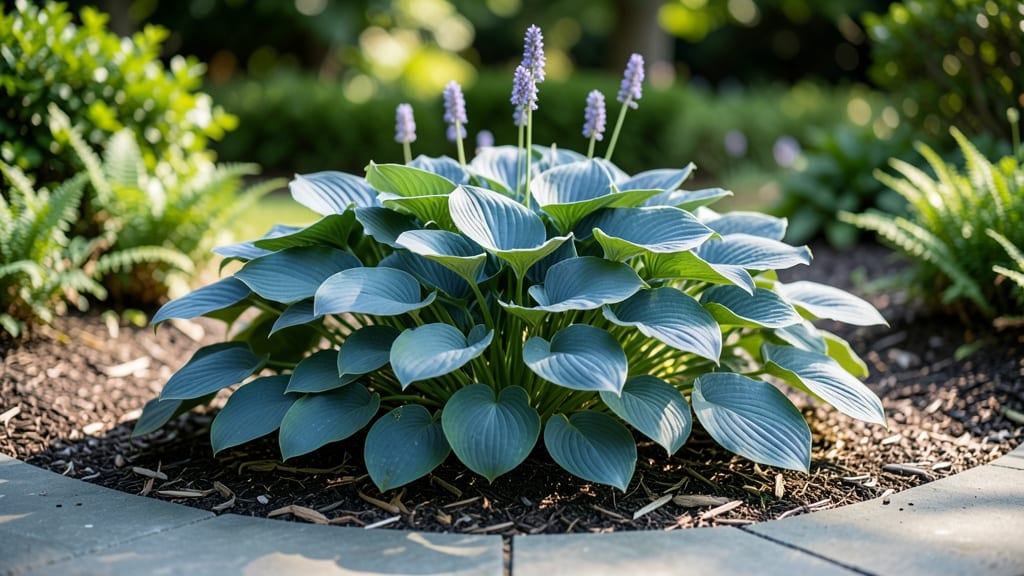
Climate Zone 5A covers regions with winter lows of -20°F to -15°F (-29°C to -26°C), where last spring frost typically arrives between April 15–May 1 and first fall frost hits around October 15–30. This zone thrives with cold-resistant perennials, frost-tolerant vegetables, and evergreen shrubs planted after frost danger has passed.
Understanding your exact frost dates is everything in Zone 5A—even a few miles can shift your planting window by weeks. 🌱 For example, Chicago's last frost often lands in late April, while Portland's may linger until early May due to coastal influences.
I always check local weather stations for 3-year averages, since microclimates near hills or bodies of water can add critical extra growing days. The USDA zone map gives you a starting point, but real-world data from your neighborhood is what actually determines when to plant your peas or transplant seedlings.
What makes Zone 5A gardening so rewarding is the wide variety of plants that not only survive but thrive in these conditions.
Cold-hardy perennials like black-eyed Susans and Russian sage return year after year with minimal care, while vegetables such as kale and Swiss chard actually taste sweeter after light frost. For trees, apple varieties like Honeycrisp or serviceberry bushes are perfect choices—they handle winter chills like a pro.
The key is working with these natural rhythms rather than against them.
💡 In This Article
- Understanding Climate Zone 5A Frost Dates and Microclimates
- Top Cold-Hardy Plants for Zone 5A Gardens
Understanding climate zone 5A frost dates and microclimates
Zone 5A's frost timing isn't just about calendar dates—it's a dance between elevation, latitude, and local geography. Higher elevations experience earlier frosts because cold air settles in valleys, creating what meteorologists call "inversion layers."
For example, Denver (Zone 5A) often sees its last spring frost around May 10, while nearby Boulder at 5,430 feet elevation may wait until May 15. This 5-day difference can mean the difference between a thriving tomato crop and a frost-nipped failure. 🌡️
The coastal influence in cities like Portland (Zone 8B) creates dramatic contrasts—even though it's technically Zone 5A inland, coastal areas may have 30% longer frost-free seasons due to ocean moderation. This is why I always cross-reference USDA maps with local weather station data for the past 5 years.
The National Oceanic and Atmospheric Administration (NOAA) provides free frost probability tools that show 10% frost risk thresholds, which is my personal cutoff for planting heat-sensitive crops like basil or peppers.
Microclimates within a single neighborhood can vary by 1-2 weeks—a south-facing slope might warm 10°F faster than a north-facing yard after frost. This is why gardeners in Zone 5A swear by "frost pockets": low-lying areas that stay colder longer.
To work with this, I recommend planting frost-sensitive annuals like marigolds on south-facing slopes> where they'll receive 2-3 extra hours of sunlight daily. Even a 6-foot difference in elevation can create a 7-day planting window difference—critical when your growing season is only 140-160 days long.
What most gardeners overlook is how wind patterns affect frost formation. Areas with open exposure> to prevailing winds often freeze 2-3°F faster than sheltered spots.
This is why I always install a maximum-minimum thermometer> in both exposed and sheltered locations—sometimes the difference is enough to protect your $200 rose bushes> from blackening overnight.
The wind chill factor> can drop temperatures an additional 5-10°F during calm, clear nights, which is when most frost damage occurs.
For accurate planning, I combine three data sources: the USDA zone map> (broad overview), local cooperative extension service reports> (regional patterns), and home weather station data> (personalized).
For instance, in Minneapolis (Zone 4B), I've found that May 22> is the 90% safe date> for planting tomatoes, while June 5> gives 99% confidence>—that extra 2 weeks> means the difference between 5 pounds> of tomatoes and 20 pounds> of tomatoes. The trade-off?
Earlier planting risks frost damage to flowers, which means fewer tomatoes later.
Pro tip: Use frost cloth> (which adds 2-4°F> of protection) or row covers> to extend your season by 2-3 weeks> on both ends.
I've seen gardeners in Zone 5A successfully grow zucchini> (normally a 120-day> crop) by planting under cover on May 1> and harvesting by September 15>—a full 45 days> longer than the unprotected growing season would allow.
The secret is monitoring soil temperatures> (seeds need 50°F> minimum) and air temperatures> (plants need 55°F> minimum) separately.
Remember: Zone 5A's growing season is shorter but more predictable> than tropical zones. The key is working with the climate> rather than fighting it—choose plants that thrive in these conditions, and use every tool (mulch, covers, microclimates) to stretch your season just a little further.
That extra week can mean the difference between a barely adequate> harvest and a bountiful> one. 🌿