
Planting
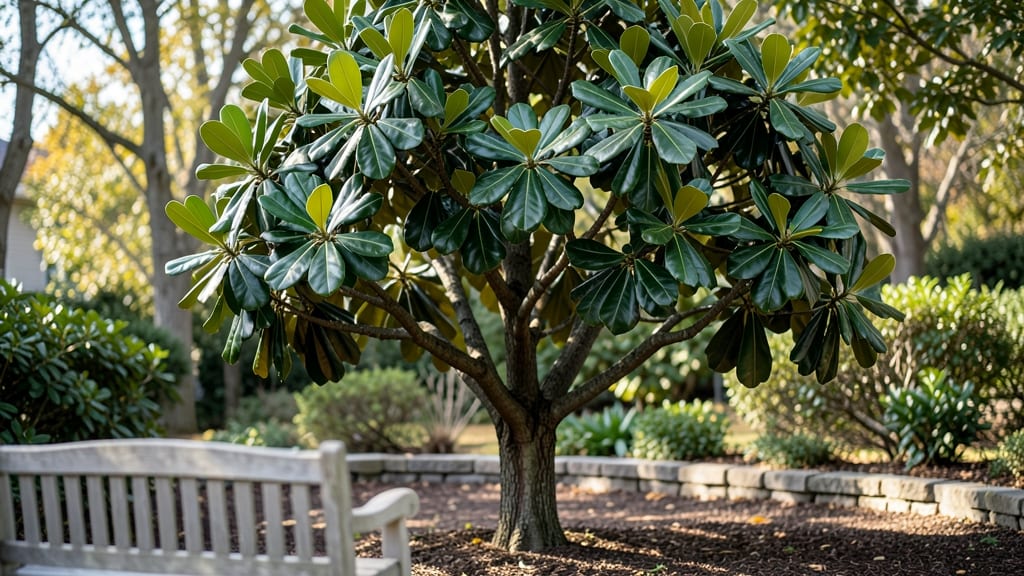
Understanding the Memphis planting zone is essential for successful gardening, as the city spans USDA Hardiness Zone 7b with microclimates reaching Zone 8a, particularly near the Mississippi River. Summer temperatures and humidity push plants to their limits, while winter lows rarely drop below 10°F (-9°C), requiring careful plant selection and timing adjustments based on local heat pockets.
Memphis' planting zone classification reflects its subtropical climate, where summer heat can exceed 95°F (35°C) while winters occasionally dip below freezing. 🔥 The Mississippi River creates a warmer microclimate, allowing Zone 8a plants like citrus trees or hibiscus to thrive near the waterfront, while inland areas stick to Zone 7b's more conservative hardiness.
Urban heat islands in downtown Memphis can also create localized growing conditions that support earlier spring plantings—just check your specific neighborhood's exposure to sun and wind patterns.
For gardeners, this means selecting heat-tolerant varieties like okra or zinnias for summer blooms, while cold-hardy perennials such as lavender or Russian sage handle winter better in Zone 7b areas.
The key is observing your yard's unique conditions—shady spots near brick buildings may need moisture-loving plants, while sunny patches can support drought-resistant species. Adjusting planting schedules by 2-4 weeks based on microclimates often makes the difference between thriving and struggling plants.
💡 In This Article
- How Memphis’ Climate Affects Plant Survival
- Best Plants for Memphis Gardens by Season
How Memphis’ climate affects plant survival
Memphis’ subtropical climate creates a unique growing environment where summer heat and humidity act like a double-edged sword for plants. The city’s average summer temperatures hover around 88-92°F (31-33°C), with heat indices often exceeding 100°F (38°C) during peak afternoons.
This extreme heat forces plants to expend significant energy on transpiration—losing moisture through their leaves—which can lead to wilting or sunburn if they’re not adapted.
The high humidity (often 70-80%) further stresses plants by reducing evaporation rates, creating a suffocating environment for those not equipped with heat-tolerant adaptations like thick cuticles or reflective leaf hairs.
The USDA classification breaks down into two key zones: Zone 7b (average minimum 5-10°F (-15 to -9°C)) and Zone 8a (average minimum 10-15°F (-12 to -9°C)).
This means plants like tomatoes or peppers, which thrive in Zone 8a, may struggle in Zone 7b areas during sudden cold snaps. However, the real game-changer is Memphis’ microclimates.
Urban heat islands in downtown areas can push temperatures 5-10°F (3-6°C) higher than rural zones, while river valleys near the Mississippi create cooler pockets ideal for heat-sensitive plants like hydrangeas or azaleas.
The river’s moderating effect can even support tropical plants like elephant ears or cannas in Zone 8a microclimates.
Humidity plays a critical role in plant stress—too much can promote fungal diseases like powdery mildew, while too little causes drought stress. Memphis’ summers often see 3-5 inches of rain per month, but the intense heat evaporates moisture quickly, requiring deep watering (1-1.5 inches per week) for established plants.
The key adaptation for gardeners is selecting drought-tolerant varieties like yucca or black-eyed Susans, which thrive in Memphis’ heat while requiring minimal supplemental watering. For shade-loving plants, consider hostas or ferns in north-facing areas where temperatures stay 10-15°F (5-8°C) cooler than sunny exposures.
Winter lows in Memphis typically range from 15-30°F (-9 to -1°C), but cold snaps can drop to 0°F (-18°C) for short periods.
This is why Zone 7b’s 5-10°F (-15 to -9°C) threshold matters—plants like roses or daylilies can survive these dips, while tropical plants (e.g., bougainvillea) need winter protection or must be grown in Zone 8a microclimates.
The urban heat island effect also means downtown gardens may experience 3-5°F (2-3°C) warmer winters than suburban areas, allowing for slightly earlier spring plantings of cold-sensitive crops like tomatoes or basil.
Microclimates extend beyond temperature—soil type and wind patterns further influence plant survival. For example, clay-heavy soils in Memphis’ floodplains retain moisture longer, benefiting water-loving plants like irises, while sandy soils in upland areas drain quickly, ideal for drought-resistant species like sedum.
Wind exposure near the Mississippi River can also create a "river breeze effect", cooling plants by 5-8°F (3-4°C) during summer afternoons. This is why riverfront gardens often support a wider variety of heat-sensitive plants than inland areas.
To maximize success, observe your yard’s specific conditions for at least 2-3 weeks before planting. Note where morning sun fades by noon (ideal for heat-sensitive plants) versus areas baked by afternoon heat (perfect for sun-lovers).
Adjust planting schedules by 2-4 weeks based on your microclimate—warmer pockets can start spring plantings in early March, while cooler areas may wait until mid-April. This precision is what separates thriving Memphis gardens from struggling ones.