
Planting
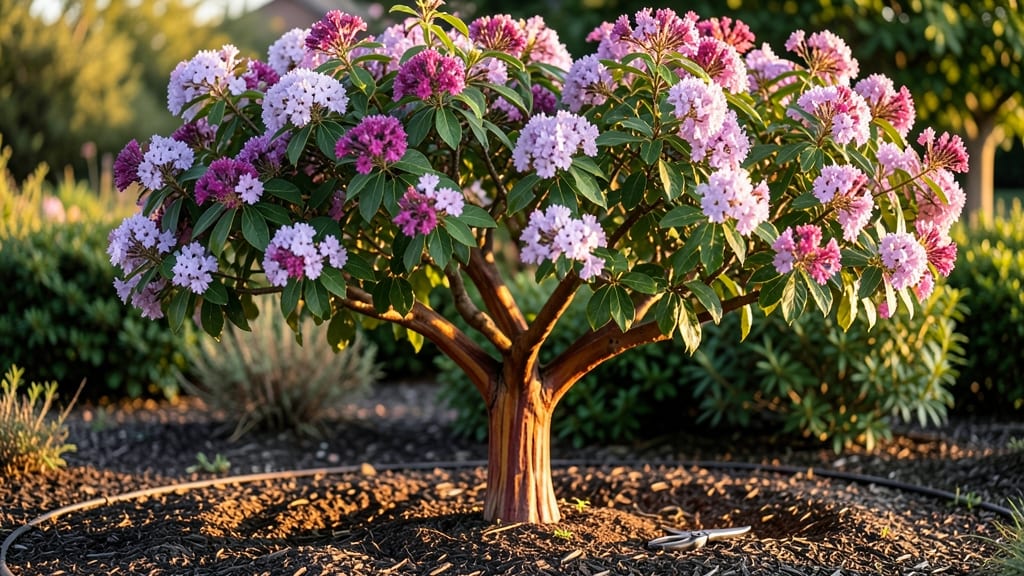
USDA Hardiness Zone 8B covers areas with average winter lows between 15°F and 20°F (-9°C to -6°C), allowing frost-sensitive plants like citrus trees and bougainvillea to thrive year-round while requiring winter wraps or containers for tropical varieties such as hibiscus. Localized heat pockets can push these limits by 2-3°F.
This zone's temperature range creates a unique balance—cold enough to damage tropical plants without frost but warm enough to support evergreen shrubs and subtropical perennials. 🌿 For example, while camellias flourish in Zone 8B's winters, gardenias often need temporary shelter during cold snaps.
Microclimates play a huge role here: a south-facing wall can add 5°F of warmth, while low-lying areas may experience frost pockets even in Zone 8B. I always recommend testing your specific microclimate by monitoring overnight lows for at least three years before committing to permanent plantings.
Understanding these nuances helps you make smarter planting decisions. For instance, while Zone 8B officially supports citrus trees, varieties like Meyer lemons often need winter protection in the colder end of the range.
The key is matching plant hardiness ratings to your exact location's frost history—not just the general zone designation.
💡 In This Article
- Understanding Zone 8B Temperature Ranges and Plant Survival
- Microclimate Hacks for Extending Zone 8B Planting Success
Understanding zone 8B temperature ranges and plant survival
The 15°F to 20°F (-9°C to -6°C) range in Zone 8B creates a delicate balance where plants experience just enough winter chill to trigger dormancy but avoid lethal freezing.
This threshold is critical because most subtropical plants need 200-400 hours of temperatures below 45°F (7°C) to properly set buds for spring blooming.
For example, camellias thrive here because their native habitats in East Asia experience similar winter conditions, while tropical hibiscus—native to warmer climates—struggle below 28°F (-2°C) and often require winter protection.
Cold snaps below 15°F (-9°C) become dangerous because they push plants into survival mode too abruptly. Dormant plants like bougainvillea can handle brief dips to 10°F (-12°C) if dry, but active growth in late fall or early spring makes them vulnerable.
The real risk comes when wet soil + freezing temperatures combine—this causes root damage in many perennials. I’ve seen citrus trees in Zone 8B’s colder areas suffer leaf scorch at 25°F (-4°C), even though their wood can tolerate 15°F (-9°C) if dry.
Heat tolerance is equally important—Zone 8B summers often exceed 90°F (32°C), which stresses plants like gardenias that prefer 75-85°F (24-29°C) daytime highs. Mulching with 3-4 inches of organic matter helps regulate soil temps by 5-10°F, while drip irrigation at sunset prevents heat stress.
The key is matching plant origins to your microclimate: Mediterranean natives like rosemary thrive here, while Amazonian plants need year-round warmth.
Perennials vs. annuals behave differently in Zone 8B. Hardy perennials like salvia nemorosa or lavender survive winters with minimal care, while tropical annuals like begonias must be treated as seasonal plants.
The 10-year average is what matters—if your area has 3+ nights below 20°F (-6°C) per winter, you’re pushing Zone 8B’s limits. I always check local weather records for minimum lows, not just zone maps.
Seasonal adjustments are often necessary. For example, meyer lemon trees need winter wraps when temps dip below 25°F (-4°C), while jasmine shrubs handle 15°F (-9°C) with no protection. The science behind this is cellular dehydration—plants lose moisture through transpiration when cold air meets warm leaves, causing damage.
Proper pruning and mulching create a 5°F buffer around roots, making all the difference.
Consider these plant categories for Zone 8B:
- Cold-hardy perennials: Camellias, bougainvillea, rosemary (survive 15°F)
- Moderate-need: Citrus, gardenias, plumbago (need 25°F+ protection)
- Tropical annuals: Begonias, hibiscus, coleus (must be seasonal)
What most gardeners overlook is how wind exposure amplifies cold damage—unprotected plants lose 2-3°F more than sheltered ones. A simple burlap windbreak can extend safe planting by 1-2 zones in exposed areas. 🌿