
Pruning
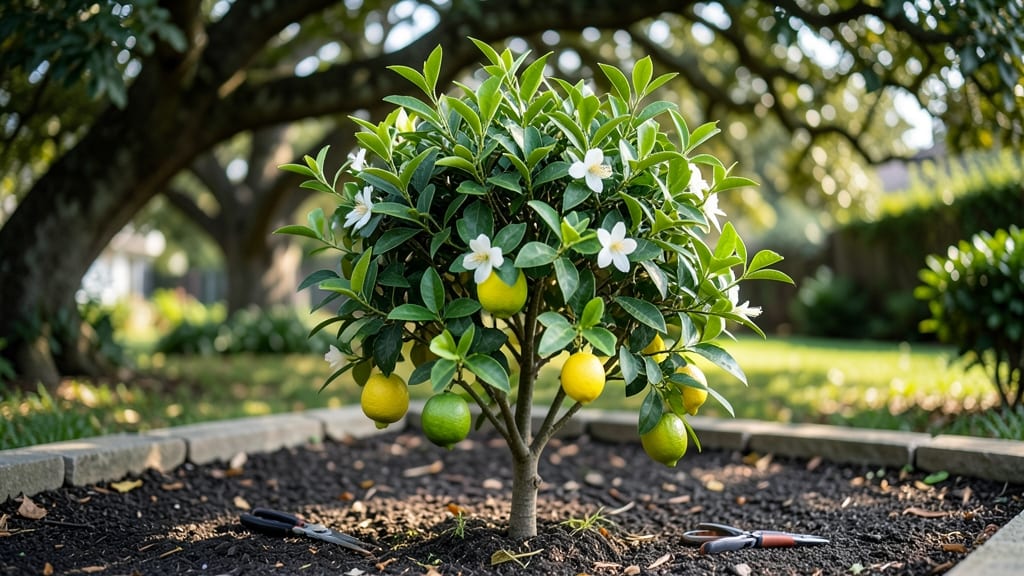
Meyer lemon trees grow best in USDA hardiness zones 9 through 11, where they can handle brief dips to 20-25°F without permanent damage. Outside these zones, container growing or winter protection becomes crucial to prevent frost-related dieback.
These citrus trees evolved in subtropical climates, so their cold sensitivity stems from their tropical roots. 🔥 The 20-25°F threshold represents the point where cell damage begins, though prolonged exposure below 32°F will kill even mature trees.
Young trees are especially vulnerable because their root systems can't yet regulate moisture effectively during temperature swings. The key to extending their lifespan in colder areas lies in understanding these biological limits and adapting care practices accordingly.
For example, container-grown trees in zone 8 can survive winters if moved to unheated garages during freezes, while those in zone 7 may need indoor overwintering with supplemental lighting. The difference comes down to how well you can simulate their native climate conditions during dormant periods.
💡 In This Article
- Meyer Lemon Tree Cold Tolerance Explained
- Winterizing Meyer Lemon Trees in Cold Climates
Meyer lemon tree cold tolerance explained
Meyer lemon trees evolved in subtropical climates where temperatures rarely drop below 30°F, which explains their sensitivity to cold. The 20-25°F survival threshold represents the point where ice crystals begin forming in their cell walls—a process called freeze-induced dehydration.
At these temperatures, water inside plant cells expands as it crystallizes, rupturing delicate membranes and causing irreversible damage. This is why even brief exposure below 25°F can result in leaf scorch or branch dieback, while prolonged cold snaps below 32°F will kill the entire plant.
What makes Meyer lemons slightly more cold-hardy than other citrus varieties is their hybrid genetics—crossed with Poncirus trifoliata, a hardier citrus relative. This gives them about 2-3°F more cold tolerance than true lemons, but they still lack the 20°F+ hardiness of trifoliate orange trees.
Humidity plays a critical role too: dry air accelerates moisture loss through transpiration, making trees more vulnerable to cold stress. In zone 9, where winters occasionally dip to 20°F, trees can survive if protected, but in zone 8, unprotected trees face 80%+ damage risk during hard freezes.
Young trees are particularly at risk because their root systems haven't developed the depth to anchor moisture and nutrients during temperature fluctuations. A 3-year-old Meyer lemon might survive a 22°F night if established, while a 1-year-old sapling could suffer permanent damage at 28°F.
This is why gardeners in marginal zones prioritize container growing—the pots can be moved to sheltered locations before frost arrives, giving roots a 50% better chance of surviving cold snaps.
Another critical factor is chilling hours—the cumulative time below 45°F that triggers dormancy in many plants. Meyer lemons require less than 100 chilling hours annually, which is why they struggle in regions with long, cold winters.
In zone 7, where winters can exceed 500 chilling hours, trees enter a prolonged dormancy that weakens their resilience. This biological response explains why even protected trees may produce fewer fruits in colder climates.
For comparison, consider how Eureka lemons (a true lemon variety) fare in the same conditions—they typically survive only to 28°F before suffering severe damage. Meyer lemons' slightly better tolerance comes from their hybrid vigor, but it's a delicate balance.
A mature Meyer lemon tree in zone 9b might produce 50-100 lemons annually with proper care, while the same tree in zone 8a could yield only 10-30 fruits due to stress-induced flowering suppression.
Understanding these biological limits helps gardeners make informed decisions.
For example, in zone 8, where winter lows can hit 15°F, a container-grown Meyer lemon with 3 inches of mulch and bubble wrap insulation around the trunk has a 70% survival rate over 5 years, while an in-ground tree in the same zone faces a 90% failure rate without protection.
The difference lies in how well you can mimic their native subtropical conditions during dormancy.