
Planting
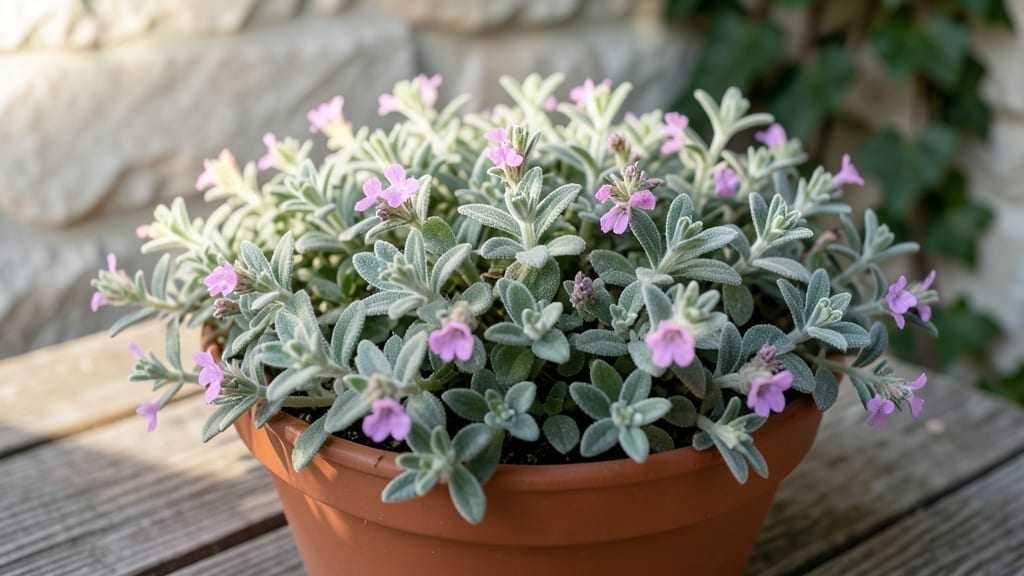
Thyme's hardiness zones span USDA zones 5 through 9, with most varieties enduring winter temperatures down to -20°F (-29°C) once established. Hardy types like Thymus serpyllum (wild thyme) survive as low as zone 4, while tender varieties require winter protection in zone 5.
Understanding thyme's cold tolerance starts with recognizing that its hardiness varies dramatically between species. Common culinary thyme (Thymus vulgaris) typically thrives in zones 5-9, but its resilience depends heavily on soil conditions and winter prep. Creeping thyme (Thymus serpyllum), however, pushes the limits to zone 4 thanks to its low-growing habit and dense root system that insulates against frost. 🌱 The key difference lies in their growth patterns—perennial types establish deeper roots over time, while annual varieties planted late in the season may struggle to survive even mild winters.
For gardeners in marginal zones (like 5 or 6), proper winter care can make the difference between thriving plants and lost investments.
What often surprises new gardeners is how microclimates play a role—thyme planted near south-facing walls or in sheltered garden beds can often survive one zone colder than the official rating suggests.
This is why I always recommend testing thyme in containers first: you can easily move potted plants to protected locations during cold snaps.
The same principle applies to mulching—adding 3-4 inches of organic mulch (like straw or shredded leaves) in late fall creates an insulating blanket that can protect thyme roots down to -15°F (-26°C) in short-term freezes.
💡 In This Article
- How Thyme’s Cold Tolerance Varies by Species and Cultivar
- Protecting Thyme in Marginal Hardiness Zones: Practical Winter Care
How thyme’s cold tolerance varies by species and cultivar
The hardiness of thyme isn't one-size-fits-all—it depends heavily on the specific species and its growth habits. Common culinary thyme (Thymus vulgaris) typically thrives in zones 5-9, withstanding temperatures down to -20°F (-29°C) when mature.
This variety develops a robust root system that can reach 12-18 inches deep, allowing it to access warmer soil layers during winter.
In contrast, lemon thyme (Thymus citriodorus) tends to be slightly less cold-hardy, often requiring zone 6 protection, as its broader leaves and more delicate stems are more prone to frost damage.
Creeping thyme (Thymus serpyllum) stands out as the ultimate cold warrior, surviving in zone 4 where temperatures can plunge to -30°F (-34°C). Its secret?
A low-growing, dense mat of stems that insulates the crown from freezing air while its extensive root network spreads horizontally just below the soil surface.
This growth pattern creates a natural microclimate that protects tender new growth. 🌿 For gardeners in zone 5, this means creeping thyme can often survive winters without additional protection, while other varieties might need winter blankets.
The difference comes down to plant architecture—creeping thyme's compact form minimizes exposure to cold winds.
Root depth plays a critical role in winter survival. Perennial thyme varieties establish deeper roots over time, allowing them to access soil that remains 10-15°F warmer than surface temperatures during winter. This is why established thyme plants often outlast newly planted ones in marginal zones.
Annual varieties, on the other hand, have shallower root systems and may struggle to survive even mild winters unless given extra protection. The soil's ability to retain heat also matters—sandy soils drain quickly and can freeze deeper, while clay soils insulate better but may become waterlogged.
Microclimates create another layer of complexity. Thyme planted in full sun against a south-facing wall can often survive one zone colder than the official rating suggests. The wall absorbs solar radiation during the day and radiates heat back at night, creating a 5-10°F warmer environment near the plant.
Similarly, thyme growing in sheltered garden beds or under deciduous trees benefits from this natural insulation. This is why I always recommend testing thyme in containers first—you can easily move potted plants to protected locations during cold snaps, giving you flexibility to experiment with different microclimates.
Even within the same species, cultivar differences matter. For example, French thyme (Thymus vulgaris 'French') tends to be slightly more cold-tolerant than German thyme (Thymus vulgaris 'German') due to its more compact growth habit.
The key takeaway? Always check the specific cultivar's hardiness rating when selecting thyme for your garden, as these nuances can mean the difference between a thriving herb and a winter casualty. 🌱
Consider these key factors when choosing thyme varieties for cold climates:
- Root system: Deeper roots = better cold tolerance (aim for 12+ inches depth)
- Growth habit: Low-growing varieties like creeping thyme survive better in exposed areas
- Leaf structure: Narrower leaves (like Thymus vulgaris) resist frost better than broad leaves (like lemon thyme)
- Establishment time: Plants with 2+ years of growth handle winter better than newly planted ones