
Vegetables
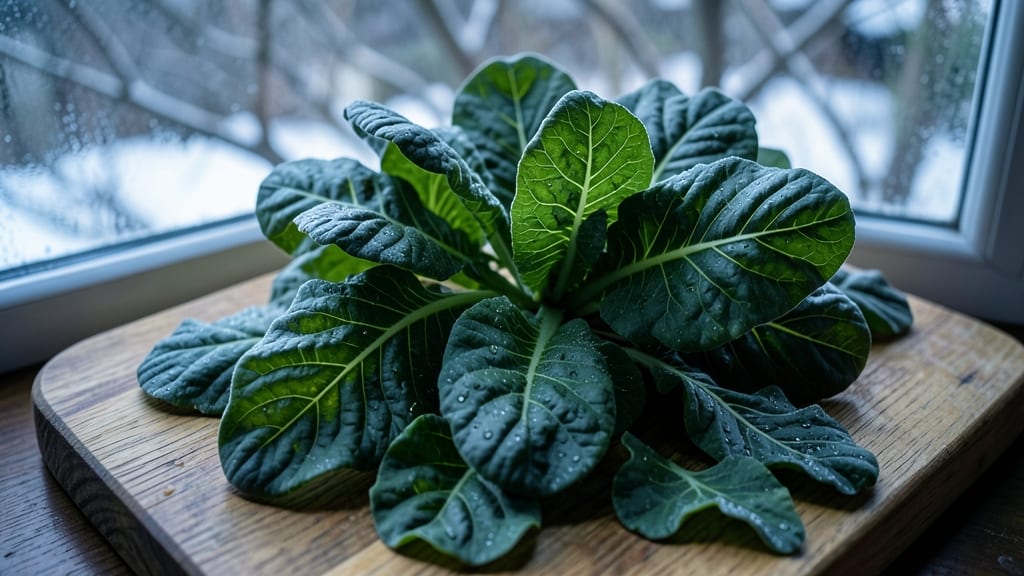
Winter gardening doesn’t mean sacrificing fresh vegetables—these cold-season varieties thrive in chilly weather and deliver bold flavors and essential nutrients. Perfect for hearty soups, crisp salads, and nutrient-dense meals, these plants ensure your kitchen stays vibrant all season long.
Kale with Purple Stems
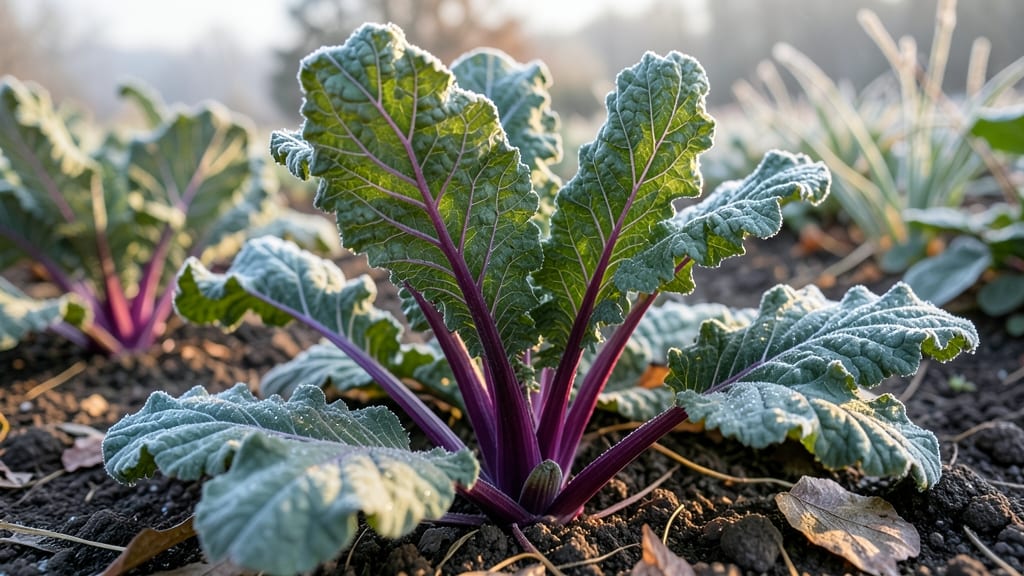
Looking for a cold-season superstar that adds both nutrition and visual appeal to your garden? Purple-stemmed kale is your answer—this vibrant variety thrives in frost and packs a punch with vitamin K and antioxidants, making it a powerhouse for winter meals.
This hardy green handles temperatures down to 20°F and actually tastes sweeter after a light frost. Its striking purple stems and deep green leaves add texture to salads, sautéed dishes, or even as a garnish. For urban gardeners, it’s perfect for containers or small plots, growing just 18-24 inches tall with minimal space.
Bonus: It’s one of the easiest cold-season crops to grow, rewarding you with year-round harvests if you plant successive batches. Whether you’re a space-challenged gardener or just love nutrient-dense greens, this kale variety delivers. 🌱
Winter Radishes for Quick Harvests
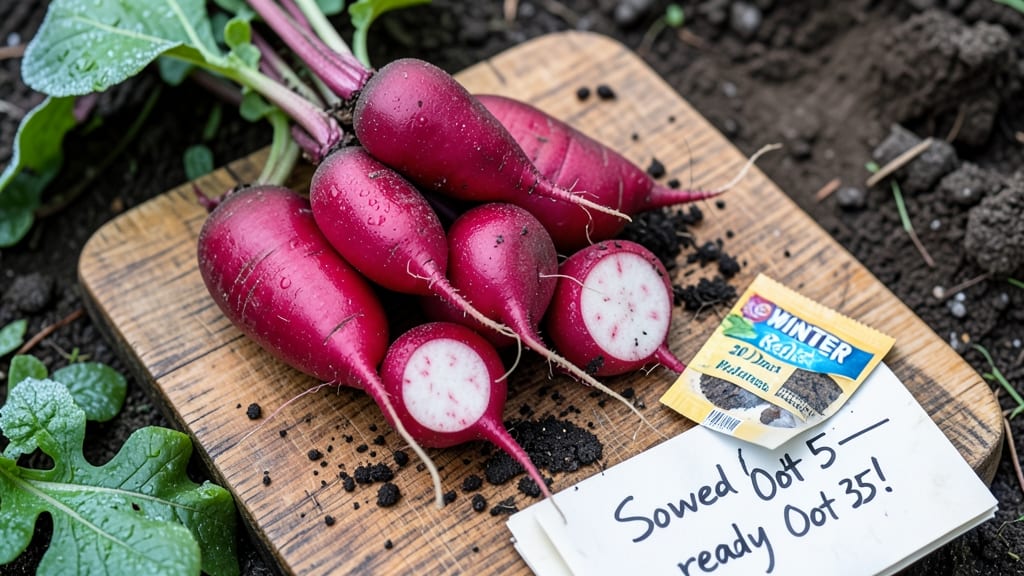
When you crave fresh, crisp vegetables but don’t want to wait months for harvests, winter radishes are your secret weapon. These peppery roots mature in just 30 days, making them the fastest crop in the cold-season garden and perfect for beginners eager to see quick results.
Sow seeds directly in well-drained soil when temperatures drop below 60°F, spacing them 1 inch apart in rows 12 inches apart. They thrive in full sun to partial shade and tolerate light frosts, which actually sweeten their flavor. For container gardens, choose compact varieties like 'French Breakfast' or 'Cherry Belle' and plant them in 6-inch-deep pots with drainage.
Harvest before they get woody, and enjoy them raw in salads, roasted with a drizzle of olive oil, or pickled for a tangy snack. Their speed and versatility make them ideal for small spaces or urban gardeners looking to add crunch to winter meals. 🌱
Carrots Grown in Cold Soil
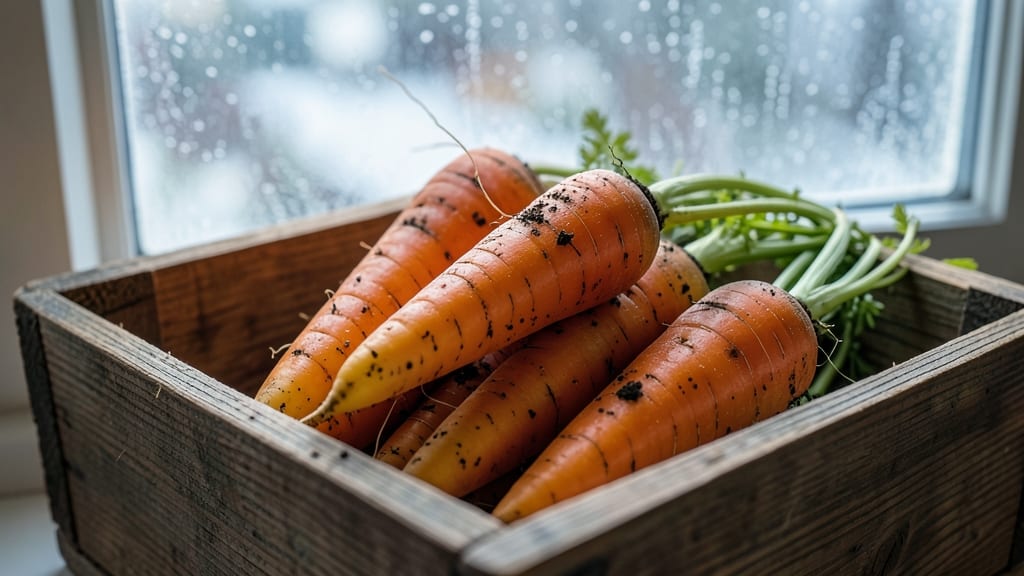
If you love the idea of harvesting sweet, flavorful carrots even when temperatures drop, you’ll be thrilled to know they actually taste better in cooler soil. Unlike summer heat, which can make them woody, cold soil (40-65°F) enhances their natural sweetness and earthy flavor—perfect for roasting, soups, or snacking raw.
For best results, plant short-day varieties like 'Nantes' or 'Danvers' in late summer or early fall, ensuring soil stays loose to prevent forking. A 2-3 inch layer of straw mulch protects roots from freezing while retaining moisture. These carrots store well in a cool, dark place for months, making them ideal for gardeners who want to plan ahead.
This cold-season growing strategy is perfect for gardeners in USDA Zones 3-8 who want to extend their harvest season without the fuss of greenhouses. Your taste buds—and pantry—will thank you! 🌱
Brussels Sprouts with Tight Buds
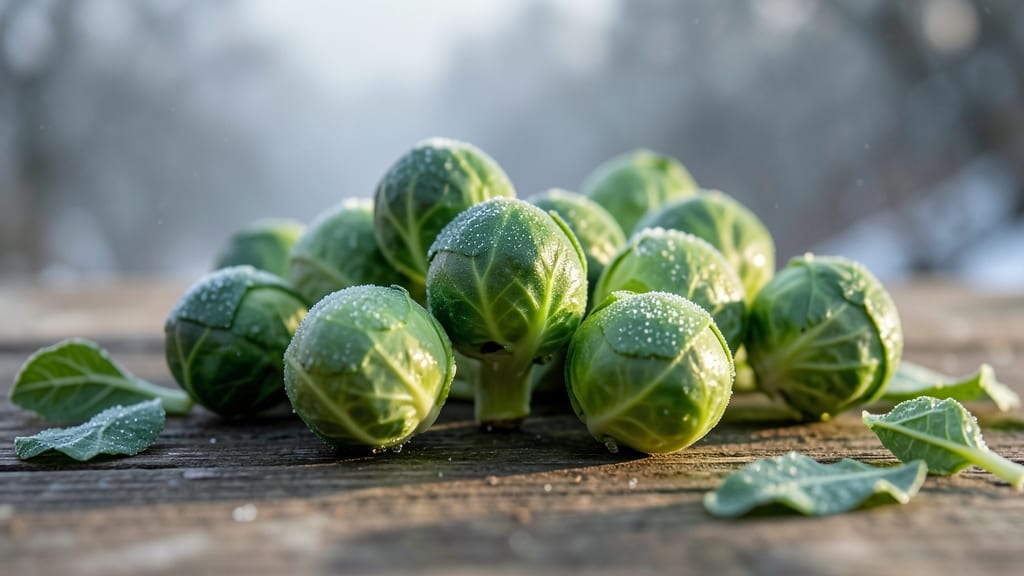
If you’re dreaming of a nutrient-packed harvest that actually improves with frost, Brussels sprouts are your secret weapon. These compact cabbages pack 100% of your daily vitamin C and fiber into tiny, tight buds that develop best when kissed by a light freeze—turning their flavor from bitter to sweetly caramelized.
Plant them in well-draining soil with full sun (6+ hours) and space rows 18-24 inches apart for airflow. They thrive in cool climates (zones 3-9) and take 90-100 days to mature, making them perfect for fall planting. Harvest buds from the bottom up, leaving the top few to keep producing. Their vertical growth habit saves space in raised beds or larger plots.
This hardy crop is ideal for gardeners with space to dedicate to a long-term harvest—each plant yields 1-2 pounds of edible sprouts. Roast them for crispy edges or serve raw for a peppery crunch. 🌱
Spinach for Salad Greens
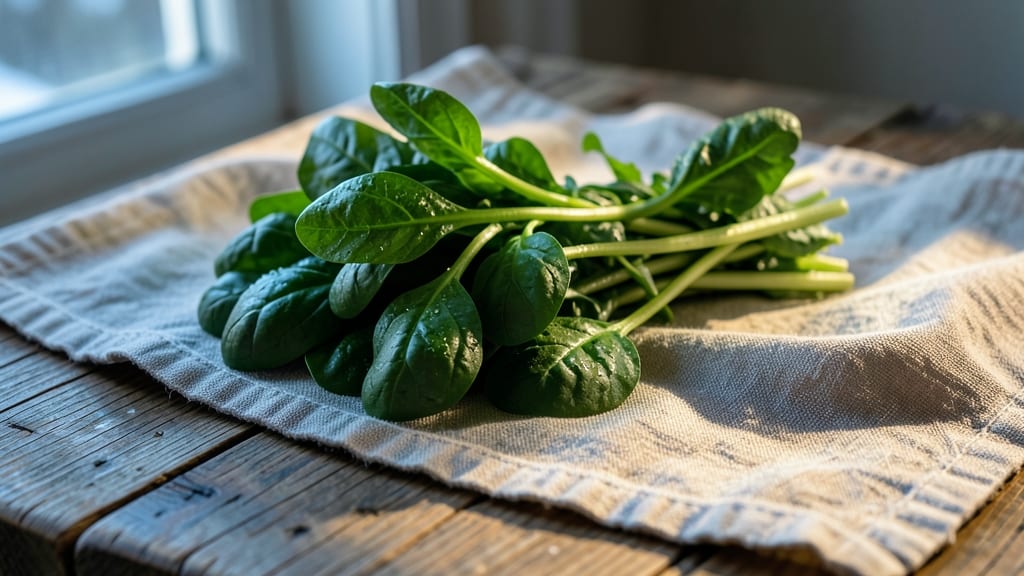
If you crave fresh, crisp greens in winter without the summer heat, spinach is your perfect cold-season ally. This nutrient powerhouse thrives when temperatures dip below 75°F, delivering tender leaves packed with iron, vitamin A, and folate—ideal for salads, sautéing, or blending into soups.
For continuous harvests, plant spinach in early fall and late winter, spacing seeds 1-2 inches apart in well-drained soil. Varieties like Bloomsdale Long Standing or Baby’s Leaf Hybrid resist bolting in cool weather. Succession plant every 2-3 weeks to ensure a steady supply, and protect young seedlings with row covers during light frosts. 🌱
Turnips with Edible Greens
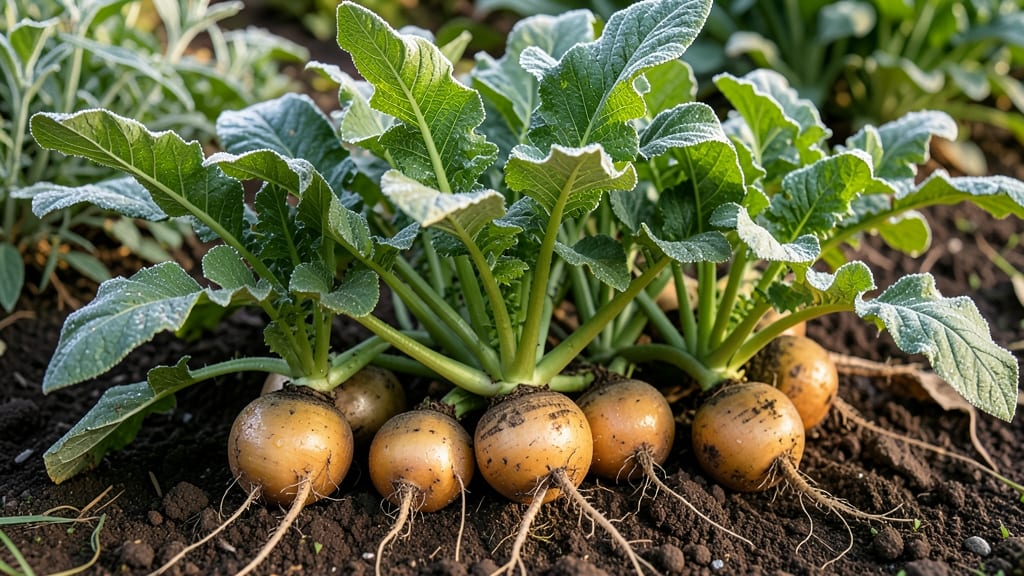
Want to maximize your cold-season harvest with just one plant? Turnips are the ultimate space-saver, offering both a crisp root and peppery, edible greens—all in a compact package. This dual-purpose vegetable thrives in cool weather, making it perfect for small gardens or companion planting alongside brassicas like kale or cabbage.
Sow seeds directly in well-drained soil when temperatures drop below 75°F, and enjoy harvests in as little as 45 days for greens or 60 days for roots. The greens can be harvested young for salads, while mature roots store well in cool, dark conditions. Varieties like 'Tokyo Cross' or 'Purple Top White Globe' add both color and versatility to your winter meals.
Urban gardeners and small-space growers will love how turnips fit neatly into containers or tight garden beds. Their shallow roots also make them ideal for companion planting—try pairing them with lettuce or radishes to optimize space. 🌿
Leeks for Rich Flavor Base
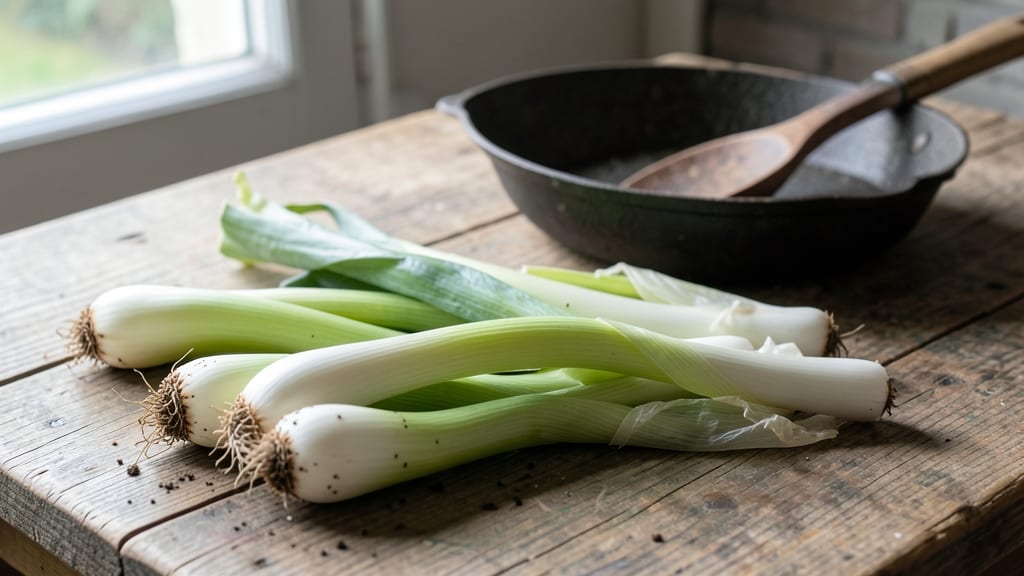
If you love building flavor layers in your soups and stews, leeks are your secret weapon for cold-season cooking. These mild, onion-like stalks thrive in partial shade and even light frosts, making them perfect for gardeners in cooler climates where other alliums might struggle.
Leeks grow best in well-drained soil and prefer consistent moisture, with a 100-120 day maturity from transplant. Their tender texture comes from blanching the lower stalks naturally as they grow—simply mound soil around them as they develop. This method also protects them from pests while enhancing their sweetness. For a steady harvest, plant two crops—one in early spring and another in late summer—for fall and winter enjoyment.
Leeks are especially rewarding for gardeners with limited sun exposure or those who want a low-maintenance crop that stores well in the fridge. Their versatility in the kitchen makes them a must-have for any cold-season garden. 🌱
Cabbage for Fermentation and Sides
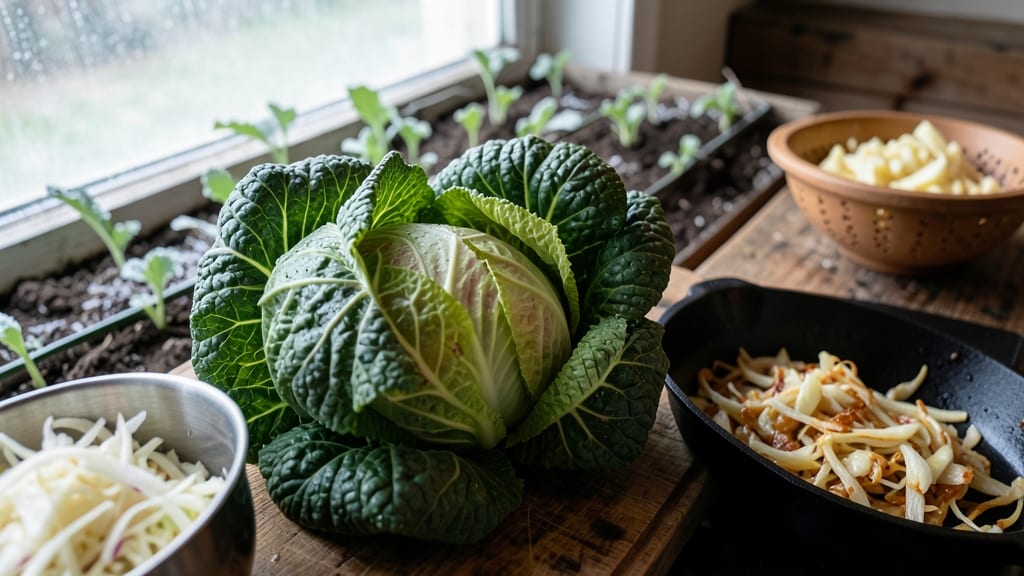
When you need a vegetable that does double duty in the kitchen and the garden, cabbage is your go-to cold-season champion. This hardy brassica thrives in crisp autumn air and stores for months, making it perfect for families who love sauerkraut, coleslaw, or quick stir-fries.
Plant green or red cabbage varieties 75-100 days before your first frost for optimal flavor, and space them 18-24 inches apart to allow heads to swell properly. A thick layer of straw mulch protects roots from temperature swings, while regular watering keeps heads tight and crisp. For extended harvests, succession plant every 3-4 weeks from early summer through mid-fall.
Cabbage’s storage flexibility makes it ideal for gardeners with limited fridge space—whole heads last weeks in a cool, dark basement. Plus, its dense structure means fewer trips to the market when winter hits. 🌱
Beets with Striped Varieties
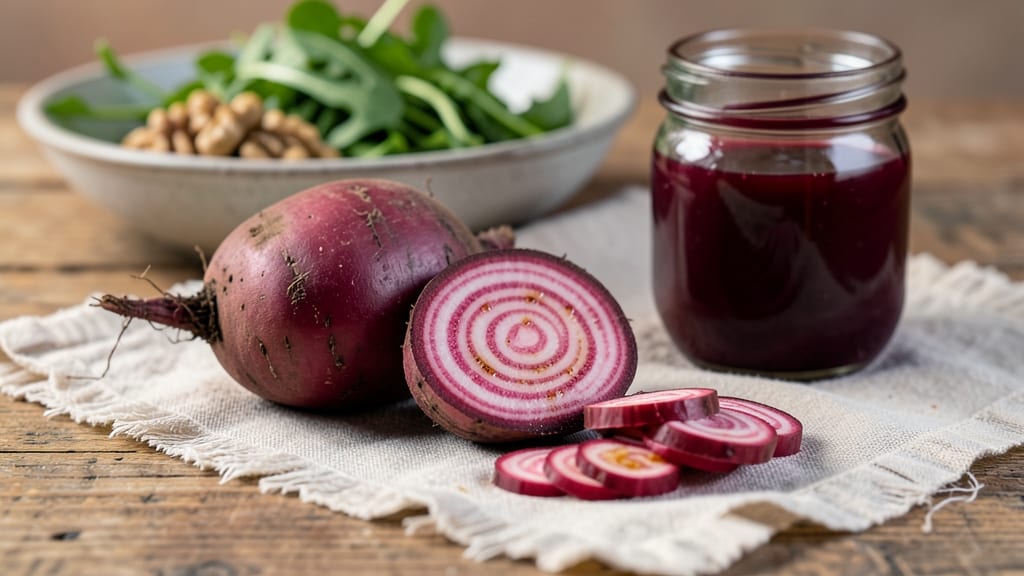
Looking to add a pop of color and nutrition to your winter dishes? Striped beets like 'Chioggia' or 'Candy Stripe' are your secret weapon—their vibrant rings transform roasted dishes, salads, and even juices into edible art.
These varieties thrive in cool-season soil (50-85°F) and mature in about 50-60 days, making them perfect for fall or early spring planting. Their natural sweetness intensifies after frost, and they store for months in a cool, dark place. Plus, the greens are edible—sauté them like spinach for extra harvest value!
Perfect for gardeners who love multi-use crops, striped beets bring both beauty and versatility to your cold-season garden. 🌻
Collard Greens for Southern-Style Cooking

If you love the idea of fresh greens even when temperatures drop, collard greens are your secret weapon for winter gardening. These robust, dark green leaves not only survive light frosts but actually taste sweeter after a cold snap, making them a standout choice for cooler climates.
Collard greens thrive in USDA zones 3-10, meaning they’re perfect for gardeners from the Deep South to the Pacific Northwest. Plant them in well-draining soil with full sun to partial shade, and space rows 18-24 inches apart for optimal airflow. They’re also incredibly low-maintenance—just keep the soil consistently moist and harvest outer leaves first to encourage continuous growth. Their nutrient-packed leaves are rich in vitamins A, C, and K, plus calcium and fiber.
This versatile green is a staple in Southern cooking but works beautifully in any kitchen—think hearty stews, sautéed sides, or even raw in salads. For gardeners in cooler regions, collards offer a year-round harvest when planted in early spring or late summer. 🌱