
Trees
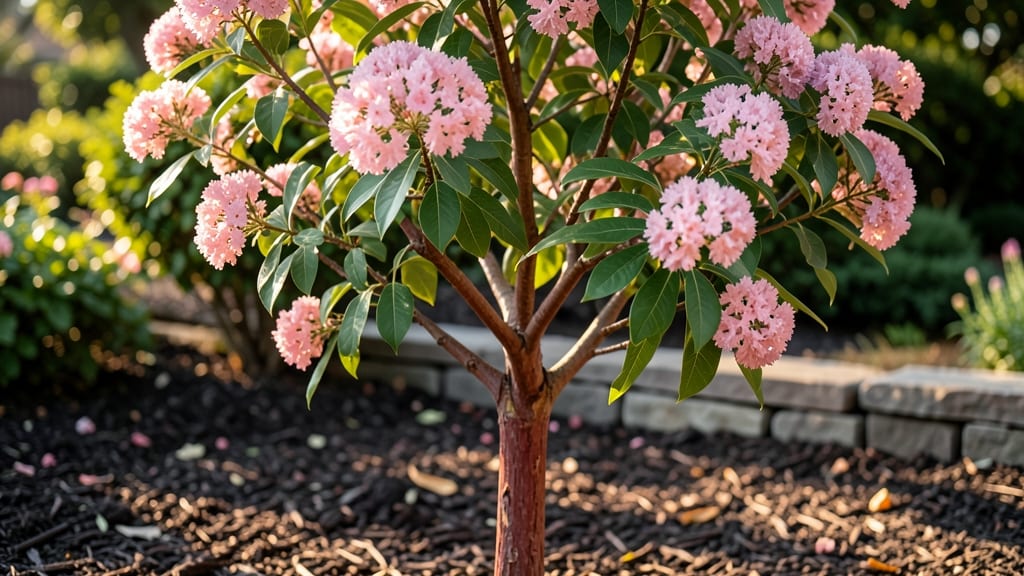
Crape myrtle grows best in USDA hardiness zones 7 through 10, thriving especially in zones 7-9. Plant during early spring or fall to avoid extreme temperatures, ensuring strong root development and vibrant blooms.
This versatile tree handles both cold winters and hot summers, making it perfect for Southern landscapes and even some Northern regions. 🌳 In colder zones (7-8), expect stunning summer flowers and reliable fall color, while warmer zones (9-10) may see year-round greenery with extended blooming seasons.
The key is planting when soil temperatures stabilize—typically 60°F or higher—to prevent transplant shock.
For optimal results, choose a location with well-draining soil and at least 6 hours of sunlight daily. In colder climates, mulching helps protect roots during winter, while in heat-prone areas, regular watering maintains moisture without waterlogging. The right growing conditions turn crape myrtles into low-maintenance showstoppers with minimal effort.
💡 In This Article
- Crape Myrtle Hardiness Zones Explained
- Best Planting Months for Crape Myrtle by Region
Crape myrtle hardiness zones explained
The crape myrtle's hardiness spans USDA zones 7 through 10, but its performance varies dramatically across this range. In zones 7-8, these trees thrive with cold tolerance down to -10°F to 0°F, making them ideal for Northern states like Virginia and Tennessee.
The tree's bark and buds contain natural antifreeze compounds that prevent cellular damage during winter dormancy, a trait shared with other deciduous trees like maples. 🌡️ In contrast, zones 9-10 (Florida, Southern California) offer near-perfect conditions with minimal winter stress, though summer heat above 95°F can cause leaf scorch if moisture levels drop.
Blooming cycles directly correlate with temperature extremes. In colder zones (7-8), crape myrtles typically bloom from late June to August, triggered by consistent daytime temperatures above 75°F after winter dormancy. The flowers' vibrant hues—ranging from lavender to fuchsia—peak when nighttime temperatures stay above 60°F.
In warmer zones (9-10), blooming extends into fall, sometimes even winter, as the tree isn't forced into dormancy. This extended season means gardeners in Southern California can enjoy flowers from May through October.
Tree longevity also hinges on zone-specific care. In colder climates, mulching with 3-4 inches of organic matter (like wood chips) insulates roots against winter freeze-thaw cycles. In heat-prone zones, drip irrigation systems maintain soil moisture without wetting foliage, preventing fungal infections.
The tree's adaptability makes it a favorite for urban landscapes, where it tolerates pollution and compacted soil better than many ornamentals. 🌿 However, in zone 10's extreme heat, regular pruning removes excess foliage that could overheat the tree's core.
Microclimates play a surprising role in crape myrtle success. For example, a tree planted near a building's south-facing wall in zone 7 may experience 5-10°F warmer microclimates than open-field plantings, extending its growing season. Conversely, low-lying areas in zone 9 can trap cold air, causing frost pockets that damage buds.
Gardeners in transitional zones (like zone 8's northern edge) should monitor local frost dates—planting too early can expose young roots to late spring frosts, while waiting too long may stress the tree before summer heat arrives.
Soil pH matters less than drainage. Crape myrtles prefer slightly acidic to neutral soil (pH 6.0-7.0), but their roots prioritize aeration over exact pH levels.
In heavy clay soils (common in zones 7-8), amending with 20% compost improves drainage, while sandy soils (zones 9-10) benefit from organic mulch to retain moisture. The tree's fibrous root system spreads 2-3 feet wide annually, making soil preparation critical before planting.
Consider these regional adaptations when selecting varieties. 'Muskogee' crape myrtle excels in zone 7 with its cold-resistant bark, while 'Tonto' thrives in zone 9's heat with heat-tolerant foliage. The right cultivar can push a tree's limits by 1-2 zones—for example, 'Acoma' handles zone 6 winters with proper winter protection.
Always verify your local average minimum temperature against the USDA zone map to avoid disappointment. 🌟