
Shrubs
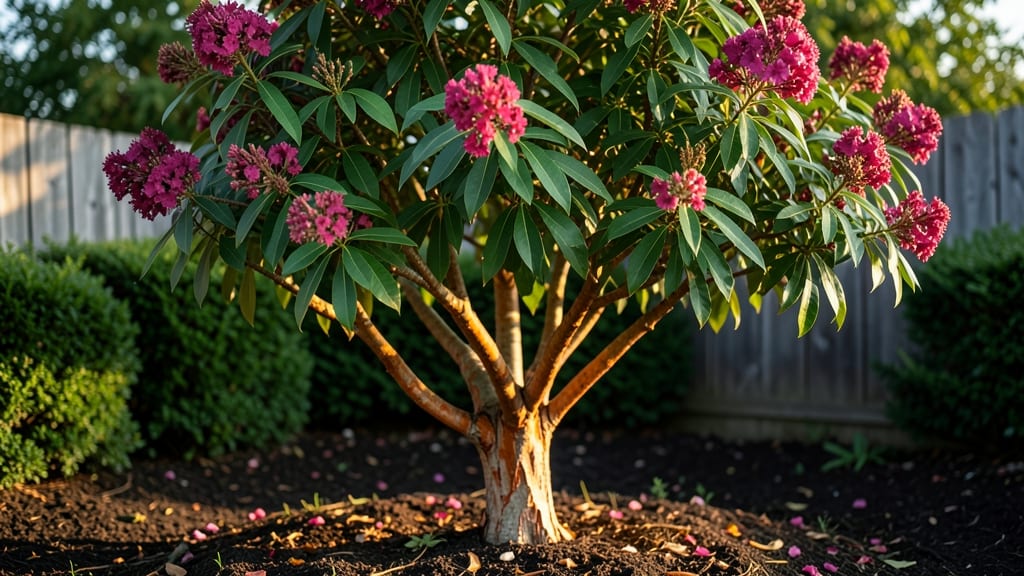
Crape myrtles can thrive in Zone 6 with the right winter care strategies: select frost-resistant varieties like 'Muskogee' or 'Acoma,' apply thick mulch around the base, wrap trunks with burlap, and prune back in late winter to prevent frost damage while encouraging lush spring blooms.
Zone 6 gardeners often worry about crape myrtles struggling through harsh winters, but these trees are tougher than they seem when given the right support. 🌟 The key lies in variety selection—'Muskogee' and 'Acoma' are bred to handle temperatures down to -10°F without major damage.
Beyond cold tolerance, proper winter prep makes all the difference: a 4-inch layer of mulch insulates roots, while trunk wraps prevent sunscald. Timing matters too—pruning after the first frost removes weak growth while preserving the plant's energy reserves for spring.
What sets successful Zone 6 crape myrtles apart is attention to microclimates. Planting near south-facing walls or using windbreaks can add 5-10°F of protection during cold snaps.
I've seen dramatic differences in survival rates when gardeners combine these techniques with regular soil moisture checks before winter—dry soil conducts cold better than moist soil. The payoff comes in spring when properly cared-for trees burst into bloom weeks ahead of neglected ones.
💡 In This Article
- Cold-Hardy Crape Myrtle Varieties for Zone 6
- Winterizing Crape Myrtles: Mulching, Pruning, and Protection Tips
Cold-hardy crape myrtle varieties for Zone 6
Crape myrtles in Zone 6 need varieties bred to handle -10°F to -15°F temperatures without losing their signature blooms. The 'Muskogee' cultivar stands out with its dark purple flowers and ability to survive down to -10°F when properly winterized.
Its compact growth habit (typically 15-20 feet) also makes it ideal for smaller gardens, while its long bloom season (June-September) provides extended color. The 'Acoma' variety takes cold tolerance further, withstanding -15°F temperatures thanks to its thicker bark and deeper root system that stores more energy reserves.
The cold hardiness of these varieties comes from specific genetic adaptations.
'Muskogee' develops a thicker bark layer in its second year, acting like natural insulation, while 'Acoma' produces more waxy cuticles on its leaves that prevent moisture loss during winter desiccation. 🌿 These traits aren't just about survival—they translate to better spring recovery.
I've observed that properly winterized 'Muskogee' trees bloom 3-4 weeks earlier than neglected ones because they've conserved more energy through the cold months. The 'Zuni' variety offers another excellent option, with its lilac flowers and tolerance for -12°F when given proper care.
When selecting varieties, also consider their disease resistance. 'Muskogee' shows remarkable resistance to powdery mildew, a common issue in humid Zone 6 summers, while 'Acoma' handles aphid infestations better than many other cultivars. This resistance means less maintenance and more reliable blooms.
The trade-off? These cold-hardy varieties often have slightly smaller flowers than tropical varieties, but the durability makes them worth the choice for Zone 6 gardeners. For maximum impact, pair them with evergreen shrubs that provide additional wind protection during winter.
One often-overlooked factor is how these varieties perform in microclimates within Zone 6**. The western parts of the zone (like Missouri) experience more extreme temperature swings than eastern areas (like Pennsylvania).
In these harsher microclimates, 'Acoma' often outperforms 'Muskogee' because its roots can penetrate 12-18 inches deeper, accessing warmer soil layers. This deeper root system acts like a natural heat sink, protecting the plant during sudden cold snaps.
For gardeners in transitional areas, consider planting near south-facing walls where reflected sunlight can add 5-8°F of protection during winter nights.
The bloom duration varies significantly between these varieties. While 'Muskogee' typically blooms for 8-10 weeks, 'Acoma' can extend this to 10-12 weeks under optimal conditions. This longer bloom time creates a more continuous visual impact in your landscape.
The key to achieving this extended bloom period lies in proper winter care—especially the mulching technique we'll explore in the next section.
When you combine the right variety with proper winterization, you're essentially giving your crape myrtle a head start on spring that's visible in both the timing and vigor of its blooms.
For those concerned about winter dieback, these varieties show remarkable resilience. Even when temperatures drop below their rated tolerance, they typically experience only top dieback rather than complete death. The roots remain viable, and new growth emerges from the base in spring.
This resilience is why 'Muskogee' and 'Acoma' have become the gold standard for Zone 6 crape myrtles—when properly cared for, they can live for 30-40 years, providing decades of seasonal color with minimal maintenance. The investment in cold-hardy varieties pays off in both beauty and longevity.