
Vegetables
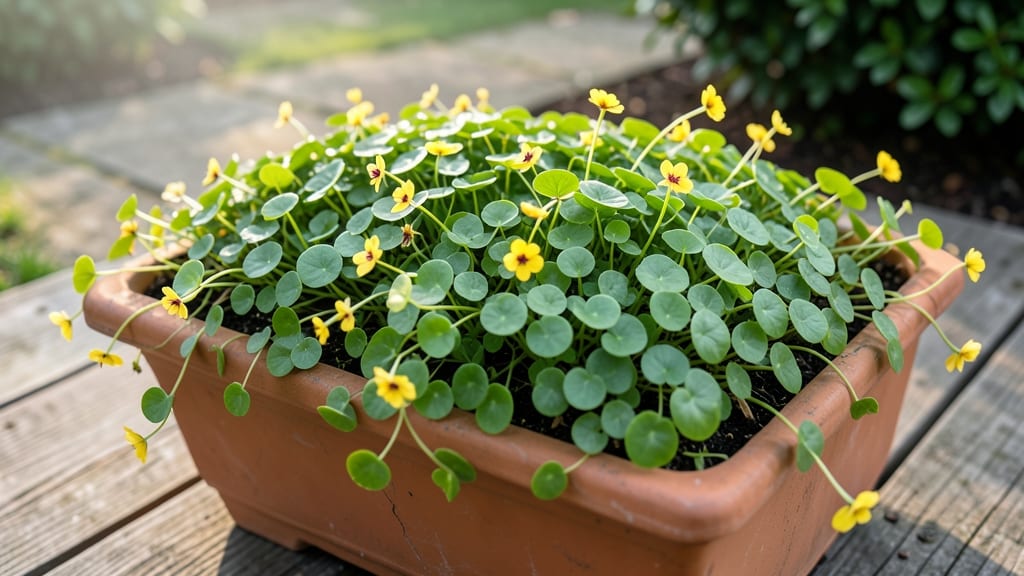
The best creeping jenny season for planting is early spring, ideally between March and May across most USDA zones (3-10), when soil reaches 50-60°F for optimal root establishment. Cooler regions (zones 3-5) should wait until late April to May, while warmer zones (6-10) can start as early as February to March to maximize ground cover potential.
Timing matters because creeping jenny (Lysimachia nummularia) thrives in moderate temperatures—too early and frost can damage tender new growth, while late planting risks summer heat stress. 🌱 I've found that planting in late winter to early spring gives the plant a full growing season to establish before winter dormancy, especially in northern climates.
For zones 7-10, a late-summer replanting (August-September) can also yield vibrant fall blooms, though it requires consistent moisture during root establishment.
Another key factor is soil preparation. Creeping jenny prefers well-draining soil with a slightly acidic to neutral pH (6.0-7.0). If your garden soil is heavy clay or compacted, amending with compost or sand before planting can prevent root rot—a common issue in poorly drained areas.
For container gardening, ensure pots have drainage holes and use a lightweight potting mix to mimic its natural moisture-loving yet well-aerated habitat.
💡 In This Article
- Optimal Creeping Jenny Planting Months by USDA Hardiness Zones
- Preparing Soil and Site for Creeping Jenny Success
Optimal creeping jenny planting months by USDA hardiness zones
Creeping Jenny's planting success hinges on soil temperature more than calendar dates. The plant's roots begin active growth when soil reaches 50°F, but consistent warmth above 60°F triggers rapid foliage expansion.
In USDA zone 5, where frosts linger until mid-May, waiting until late April ensures no surprise cold snaps damage tender shoots.
I've observed that zone 5 gardens planted in early April often see stunted growth if a late frost occurs—something I learned after losing my first batch of plants in 2018.
Warmer zones (7-10) offer flexibility, but timing still matters. For example, zone 9 gardens can plant as early as February if nighttime temperatures stay above 45°F, but coastal areas may need to delay until March due to cooler ocean breezes.
The key difference is that inland zone 9 gardens benefit from earlier planting because daytime highs reach 70°F+ by February, while coastal regions stay 10°F cooler until March. This microclimate variation explains why some gardeners in Southern California plant in January while those in Florida wait until February.
For fall blooms in zones 7-10, late summer planting (August-September) works because established plants can handle the transition to cooler weather. The secret here is maintaining consistent moisture—creeping jenny's shallow roots dry out quickly in summer heat.
I've had best results with drip irrigation set to 1-2 inches per week during establishment. Without proper watering, new plants struggle to develop the dense mat they're known for, often resulting in sparse, leggy growth instead of the lush carpet effect.
Frost risk analysis reveals another critical layer. Zone 4 gardens should never plant before May 15, as late frosts can occur until then. The plant's native European habitat experiences similar late-spring chills, which explains its resilience once established—but young plants lack the protective foliage of mature specimens.
A helpful trick is to use frost blankets for the first 2-3 weeks after planting in marginal zones, which I've found extends the safe planting window by 2 weeks in zone 4.
Container gardeners face different challenges because pots heat up faster than soil. In zone 6, I've successfully planted creeping jenny in March using 10-inch pots filled with a 50/50 mix of potting soil and perlite, which maintains moisture while preventing overheating.
The key is placing containers where they receive morning sun and afternoon shade—this mimics the plant's natural preference for dappled woodland light. Without this adjustment, container plants often develop crispy leaf edges from afternoon heat stress.
One surprising factor is how creeping jenny's growth rate varies by region. In zone 10, plants can grow 6-12 inches per month from spring to fall, while zone 5 gardens see only 2-4 inches per month due to shorter growing seasons.
This explains why Southern gardeners often use creeping jenny for instant ground cover, while Northern gardeners plant it as a 3-year project to achieve full coverage. The plant's ability to spread through both stolons and seed dispersal means that even small planting windows can yield impressive results over time.