
Flowers
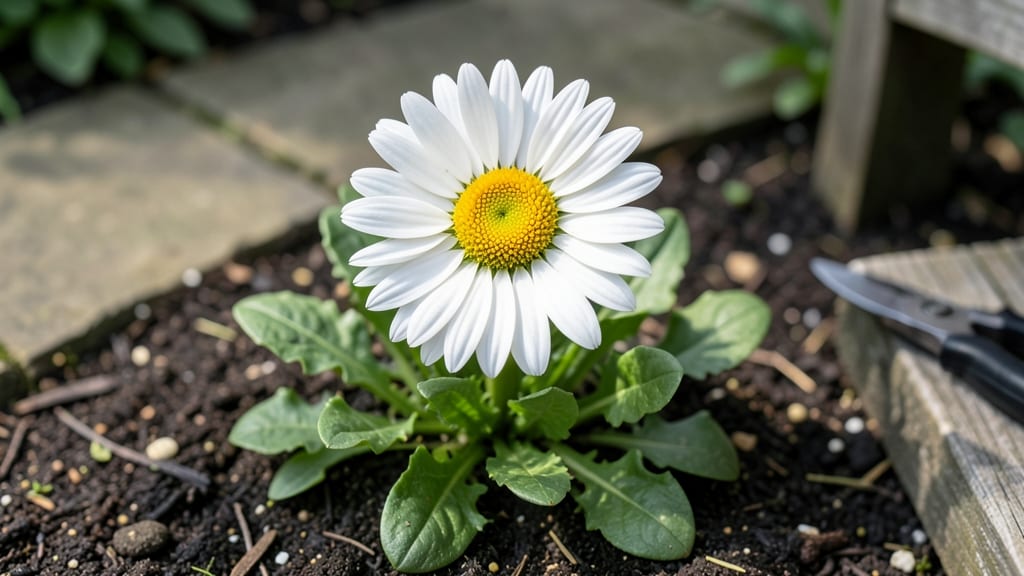
The daisy flower season is all about timing—whether you're planting for a summer-long display or simply admiring their cheerful blooms 🌼.
If you’ve ever dreamed of a garden bursting with cheerful daisies—those bright, sun-loving blooms that symbolize innocence and joy—timing is everything. But did you know their peak bloom months vary wildly depending on where you live?
In USDA Zone 6a, like much of the Midwest, daisies typically burst into color from June through September, with the right care. However, in warmer zones, you might enjoy them year-round, while colder climates may only get a few months of blooms.
Below, I’ll break down the best planting windows, seasonal care tips, and how to extend your daisy flower season for a garden that stays vibrant all summer long.
Daisy flower season by USDA zone: when to plant for peak blooms
Timing your daisy planting by USDA zone ensures vibrant blooms all season long. Whether you're growing perennial Shasta daisies or annual African daisies, understanding your climate zone unlocks the secret to continuous color.
In cooler zones (3-5), early spring planting yields summer blooms, while warmer zones (8-11) can enjoy year-round planting with proper care.
Daisies thrive when planted at the right time, but the bloom window shifts dramatically across regions. Perennial varieties like Gerbera daisies establish roots in spring, while annual Oxeye daisies prefer direct sowing after frost. Let's break down the best planting months for each zone to maximize your garden's cheerful display.
| USDA Zone | Best Planting Month | Peak Bloom Months | Daisy Variety | Notes |
|---|---|---|---|---|
| 3-4 | April-May | July-September | Shasta, Painted Daisy | Cold-hardy perennials; mulch for winter |
| 5-6 | March-April | June-September | Gerbera, Nippy Daisy | Early spring planting for summer blooms |
| 7-8 | February-March | April-October | Oxeye, African Daisy | Annuals; plant early for extended blooms |
| 9-10 | September-October | November-March | Gerbera, Zinnia (daisy-like) | Fall planting for winter blooms |
| 11 | Year-round | Continuous | African Daisy, Gerbera | Tropical varieties; deadhead regularly |
In USDA zones 3-4, where winters are harsh, focus on cold-hardy perennials like Shasta daisies. Plant them in late April to early May after the last frost, giving them time to establish roots before summer's heat.
These varieties bloom from July through September, offering late-season color when many other flowers fade.
For zones 5-6, early spring planting in March or April sets the stage for June to September blooms. This timing works perfectly for Gerbera daisies, which thrive in cooler climates and produce vibrant blooms that last for months.
Don't forget to mulch heavily in fall to protect roots during winter.
Warmer zones 7-8 unlock the possibility of year-round daisy gardening. Plant Oxeye and African daisies in February or March for blooms from April through October. These annual varieties are perfect for cut flower gardens and can be succession-planted every 4-6 weeks for continuous color.
In zones 9-10, where winters are mild, fall planting becomes key. Sow Gerbera and Zinnia varieties in September or October to enjoy winter blooms from November through March. This strategy ensures your garden stays vibrant even during the cooler months.
For USDA zone 11, daisies are a year-round possibility. Tropical varieties like African daisies thrive continuously when planted at the right time. Deadheading spent blooms encourages new flowers, while regular watering prevents heat stress.
This zone offers the unique opportunity to grow daisies indoors or in containers for year-round enjoyment.
No matter your zone, remember that soil preparation is key. Daisies prefer well-draining soil with a pH between 6.0-7.0. Amend heavy clay soils with compost to improve drainage, and ensure your garden receives at least 6 hours of sunlight daily for optimal blooming.
Pro tip: Use season extenders like row covers in early spring or late fall to protect young plants. In cooler zones, these can add 2-4
How to extend your daisy flower season: prolonging blooms naturally
Want your daisies to keep blooming like they’re on a never-ending summer vacation? The secret lies in a few simple but powerful gardening techniques. Daisies naturally produce flowers in cycles, but with the right care, you can trick them into extending their peak bloom season by weeks—or even months.
Whether you're dealing with perennial varieties like Shasta daisies or annuals such as African daisies, these methods work across climates.
First, let’s talk about the biggest game-changer: deadheading. This isn’t just a fancy term—it’s your ticket to non-stop blooms. By removing spent flowers before they set seed, you redirect the plant’s energy into producing new buds instead of wasting it on seed production.
It’s like giving your daisies a high-five of encouragement to keep flowering!
- 🌱 Deadhead daily: Snip off faded blooms with clean pruners to encourage continuous flowering.
- ☀️ Feed with phosphorus: Use a 10-20-10 fertilizer in early spring to boost root and flower development.
- 💧 Water deeply weekly: Keep soil consistently moist (1 inch per week) to prevent stress.
- 🌿 Mulch heavily: Apply 2-3 inches of mulch to retain moisture and regulate soil temperature.
- ✂️ Prune lightly in fall: Trim back 1/3 of the plant after blooming to promote next year’s growth.
Don’t overlook the power of companion planting. Strategic pairings can protect your daisies from pests and improve their overall health. For example, planting marigolds nearby deters aphids, while basil can repel thrips.
These companions also attract beneficial insects like ladybugs, which keep pest populations in check naturally. It’s like creating a mini ecosystem where your daisies thrive without chemicals!
In colder climates (USDA zones 3-6), overwintering your daisies properly is key. After the first frost, cut back the foliage to 2-3 inches above the ground and add a thick layer of mulch. This protects the roots from freezing and ensures a stronger spring rebloom.
For hotter zones (7-11), focus on shade cloth during peak summer heat to prevent wilting. A little extra care in extreme seasons makes all the difference!
Finally, pay attention to your watering schedule. Daisies love consistency—water them deeply in the early morning to reduce evaporation and fungal risks. During summer, increase frequency to every 3-5 days, while fall and winter require less.
Think of it like a spa day for your plants: hydrated roots mean happier, longer-lasting blooms.
With these techniques, your daisies will reward you with non-stop color from early spring to late fall. The best part? You’re not just extending their season—you’re creating a self-sustaining garden ecosystem that’s easier to maintain and more beautiful than ever. Happy gardening! 🌼