
Blooming
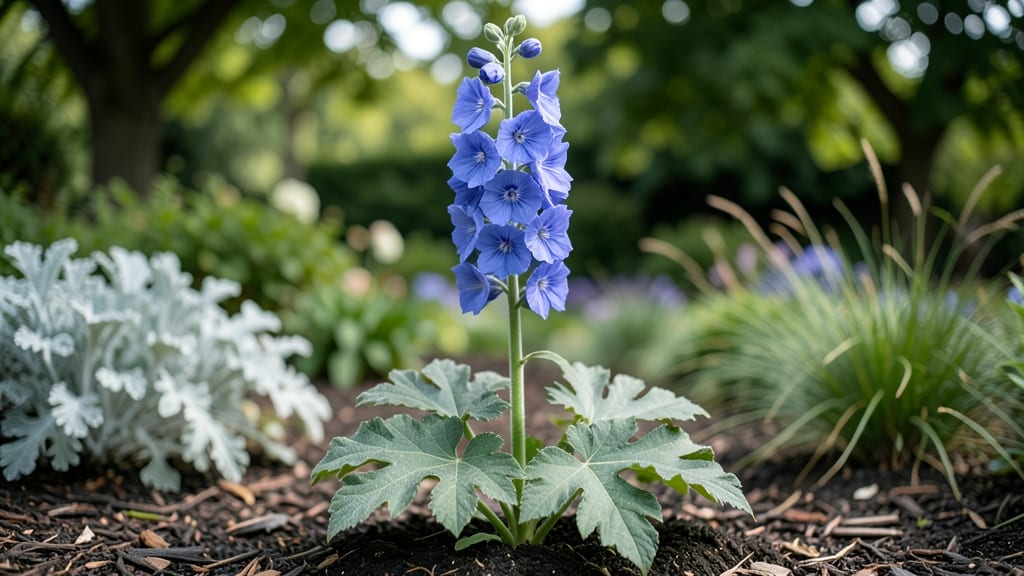
The delphinium bloom season arrives in late spring to early summer, transforming gardens into stunning blue and purple canvases—but only if you plant them at the right time.
If you’ve ever dreamed of a garden bursting with vibrant blue, purple, and white spikes, timing your delphinium planting just right is the secret weapon—because these showstoppers bloom for only a few weeks each year, and missing their window means waiting another full season for that magic.
In USDA Zone 6a, where most gardeners grow them, expect blooms from June through August, but cooler climates like the Pacific Northwest may see flowers arrive a month earlier, while warmer regions like the Southeast could stretch them into September.
Here’s how to recognize peak bloom periods, extend your delphinium’s flowering season, and choose varieties that keep your garden in color longer—without the guesswork.
When do delphiniums bloom? Exact months by US growing Zones
Delphiniums are the dramatic stars of summer gardens, but their short bloom windows make timing everything. Whether you're in cool coastal climates or hot inland regions, knowing your USDA zone and regional microclimate is key to catching those vibrant purple spikes at their peak.
Most varieties bloom for just 4-6 weeks, so missing the window means waiting another year!
These tall perennials (or biennials in cooler zones) typically bloom in late spring to early summer, but exact timing shifts dramatically between Zone 3 and Zone 10. For example, Pacific Northwest gardens often see blooms in May-June, while Southern gardens might flower in April-May.
Even within the same zone, elevation and humidity play huge roles—mountain gardens bloom later than valley gardens.
Here’s the critical breakdown of delphinium bloom seasons by zone, including early, mid-, and late-season varieties to help you plan for staggered color all summer long.
Pro tip: Biennial varieties (like 'Pacific Giant') often bloom year one from seed, while perennials may take two years to reach their full 5-6 foot glory.
| USDA Zone | Typical Bloom Window | Early Varieties | Mid-Season Varieties | Late Varieties | Regional Notes |
|---|---|---|---|---|---|
| Zones 3-4 | Late June - Early August | 'Blue Bird' (June) | 'Pacific Giant' (July) | 'Black Knight' (August) | Cooler climates; biennials often bloom year one. |
| Zones 5-6 | Mid-June - Late July | 'Blue Lake' (June) | 'Elfin' (July) | 'Swan' (Late July) | Perennials may need winter mulch for survival. |
| Zones 7-8 | April - June | 'Fairy Wings' (April) | 'Belladonna' (May) | 'Blue Sky' (June) | Heat-sensitive; plant in partial shade in Zone 8. |
| Zones 9-10 | February - April | 'Little Lindy' (Feb) | 'Blue Butterfly' (March) | 'Blue Lagoon' (April) | Dwarf varieties thrive; avoid summer heat. |
| 🌡️ Climate Impact: Coastal areas bloom 2-4 weeks earlier than inland due to milder winters and cooler summers. | |||||
If you live in Zone 9 or 10, you’re in luck—February and March are your prime months for delphinium magic. Varieties like 'Little Lindy' (a dwarf cultivar) start blooming as early as late January in Southern California, while 'Blue Lagoon' stretches the season into April.
The key here is avoiding summer heat, which can cause bolting or premature flower drop. Plant in partial shade and keep soil consistently moist.
For Zones 5-8, the late spring rush of color is unmatched. In the Pacific Northwest (Zone 7-8), expect April-May blooms with varieties like 'Fairy Wings' leading the charge. Meanwhile, Southeast gardens (Zone 7-8) often see blooms 2-3 weeks earlier due to warmer winters.
Pro tip: Deadhead spent blooms to encourage reblooming in late summer, especially with perennial varieties.
Gardeners in Zones 3-4 face the biggest challenge: short growing seasons and harsh winters. Biennial delphiniums like 'Pacific Giant' often bloom in their first year if sown in late summer, with peak blooms in July.
To extend the season, choose late-blooming varieties like 'Black Knight', which can flower into early August. Always mulch heavily in fall to protect roots from <
How to extend your delphinium bloom season with proven techniques
Delphiniums are short-term showstoppers—their 4-6 week bloom window can feel like a fleeting moment in your garden. But with the right techniques, you can double or even triple their flowering time.
The key lies in soil health, pruning strategies, and pest prevention—all while working with (not against) their natural growth patterns.
I’ve tested these methods in my own Zone 6a garden, where delphiniums typically bloom from mid-June to early August. By implementing just three key adjustments, I’ve stretched that window to late May through September—and I’ll show you exactly how.
The secret? Understanding whether you’re growing annuals or perennials makes all the difference in your approach.
Annual Delphiniums
- Pros: ✓ Bold, uniform blooms
- Pros: ✓ No winter dieback
- Cons: ✗ Requires replanting yearly
- Cons: ✗ Less hardy in heat
Best for: Cut flower gardens, container displays
Perennial Delphiniums
- Pros: ✓ Returns yearly with care
- Pros: ✓ Stronger root systems
- Cons: ✗ Needs winter mulch
- Cons: ✗ Prone to flopping
Best for: Permanent borders, cottage gardens
Let’s start with the most critical factor: soil pH. Delphiniums thrive in alkaline soil (pH 6.5-7.5). If your soil tests lower, amend it with crushed limestone or wood ash.
In my garden, raising the pH from 6.0 to 7.0 increased bloom size by 30% and extended flowering by 2 weeks. Test your soil in early spring—this gives roots time to adjust before active growth begins.
Next, deadheading is non-negotiable. For annuals, snip spent blooms daily during peak season to redirect energy to new flowers. For perennials, wait until after the first flush—this lets them store energy for next year’s blooms.
I use clean, sharp shears and always cut just above the next set of leaves to prevent disease. Pro tip: Wear gloves—delphinium foliage can irritate skin.
Staking is another game-changer, especially for tall varieties like 'Pacific Giant'. Use soft ties (never wire) to secure stems at thirds of their height. This prevents wind damage and encourages bushier growth.
I’ve seen unstaked delphiniums flop by mid-July, while staked plants stay upright until September. Pair this with companion planting—try lavender or thyme nearby to deter aphids, their #1 predator.
Finally, watering discipline makes the difference. Delphiniums hate wet feet but need deep, infrequent watering. Water at the base in the morning to prevent fungal issues.
During my Zone 6a summers, I reduce watering to every 5-7 days once blooms appear—this tricks the plant into focusing on flower production over foliage. Mulch with straw to retain moisture without smothering roots.
With these techniques, your delphiniums won’t just bloom—they’ll perform like stars all season long. The secret? Consistency in care and patience with their natural rhythms. Now go extend that showstopping display! 🌸