
Blooming
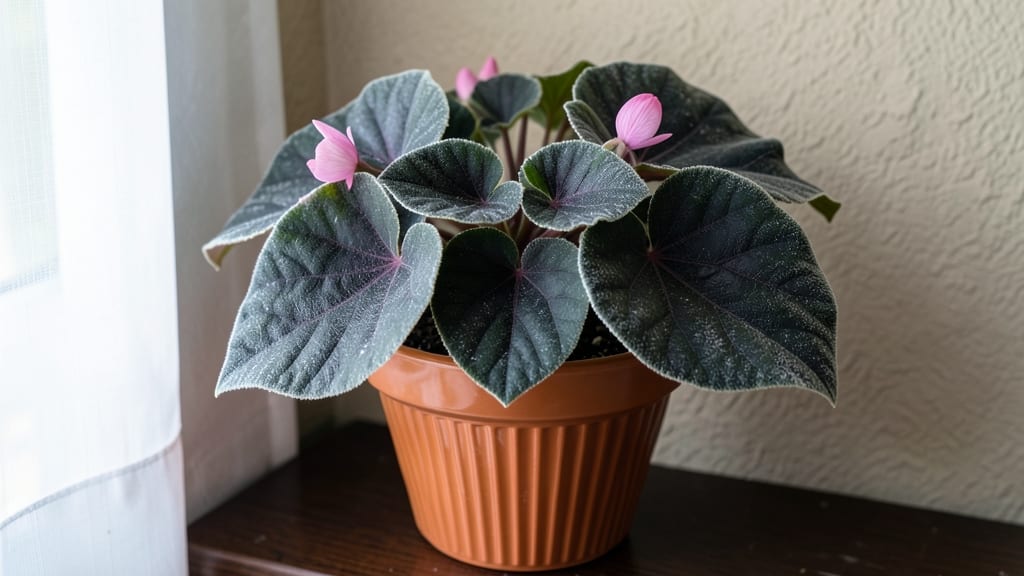
The Dragon Wing Begonias season is all about timing—those stunning 🌸 leaves and blooms thrive when planted, fed, and protected just right for your zone.
Picture this: You’ve waited all winter for your garden to wake up, only to see your Dragon Wings wilt under a surprise frost or fade before they even bloom. That’s the frustration I’m here to help you avoid.
From Zone 10-12’s frost-free growing season to 9b+’s need for winter protection, every region has its own rhythm. Whether you’re a first-time grower or a seasoned plant parent, knowing when to plant, how to extend their season, and what to watch for keeps these beauties flourishing.
Below, I’ll break down the ideal planting windows, seasonal care tips, and how to troubleshoot common mistakes—so you can enjoy their showstopping foliage and blooms from spring through fall.
Dragon Wing Begonias planting & bloom schedule by USDA Zone
Timing is everything when growing Dragon Wing Begonias—these tropical beauties thrive in warm temperatures but wilt under frost. In USDA Zones 3-11, your planting window shifts dramatically, from early spring in the South to late spring in colder regions.
The key is understanding your last frost date and adjusting for early or late frosts that can sneak up. For example, gardeners in Zone 5 should wait until mid-May after the last frost, while Zone 9 growers can plant as early as February.
These begonias bloom from late spring to early fall, but their peak flowering depends on your zone. In Zones 10-11, you’ll enjoy continuous blooms from March through November, while Zones 3-7 see shorter seasons—typically June to September—unless you extend their season with containers.
The temperature threshold for growth is 55°F, and they’ll suffer damage below 40°F.
| USDA Zone | Direct Sowing Window | Transplant Window | Bloom Period | Frost Adjustment |
|---|---|---|---|---|
| 3-4 | May 15 - June 15 | May 1 - June 1 | July - September | Use containers; move indoors before 40°F |
| 5-6 | April 15 - May 15 | April 1 - May 1 | June - October | Mulch heavily; protect with frost cloth |
| 7-8 | March 1 - April 15 | February 15 - March 15 | May - November | Minimal risk; monitor early spring frosts |
| 9-10 | January 15 - March 1 | December 1 - January 15 | March - December | None; year-round growth |
| 11 | Year-round | Year-round | January - December | None; tropical climate |
For direct sowing, wait until soil temperatures reach 60°F—this prevents seed rot and ensures strong seedlings. In Zones 3-6, I recommend starting seeds indoors in late winter (February) and transplanting after the last frost date.
Use a heat mat to speed up germination, as Dragon Wing Begonias prefer warmth. In warmer zones (7-11), you can sow directly into well-draining soil with organic mulch to retain moisture.
Bloom periods vary by zone, but all Dragon Wing Begonias need consistent warmth to trigger flowering. In cooler zones (3-6), expect blooms to start in mid-summer (July) and last until early fall (September).
To extend their season, I move potted plants to a sunroom or greenhouse by October and resume outdoor planting the following spring. In Zones 9-11, blooms are nearly continuous, with new flowers appearing every 4-6 weeks if you deadhead spent blooms.
Adjusting for early or late frosts is critical in Zones 3-8. If frost threatens before your expected bloom period, cover plants with frost cloth or move containers to a sheltered location.
I’ve found that black plastic mulch raises soil temperatures by 5-10°F, giving Dragon Wings a head start in early spring. In Zones 9-11, frost is rarely a concern, but heatwaves above 90°F can stress plants—provide afternoon shade during peak summer months.
One common mistake I see is planting Dragon Wing Begonias too early in cold zones, leading to
How to extend Dragon Wing Begonias season: potting, overwintering & frost protection
Dragon Wing Begonias are tropical divas that thrive in warmth but can’t handle frost—even a light freeze will turn their stunning wing-like foliage into a sad, mushy mess. The good news? With the right potting strategies and overwintering hacks, you can keep these beauties alive and blooming for years.
Whether you’re in Zone 9b or a chilly Zone 5, I’ll show you how to protect them like a pro.
First, let’s talk about container gardening—your secret weapon for cold climates. Dragon Wings love to be root-bound, so repotting them into terracotta pots (which dry faster) or fabric grow bags gives you control over moisture and temperature.
Add a heat mat underneath in winter to keep roots cozy, and you’ve got a mobile greenhouse for your begonias.
For outdoor overwintering, focus on mulching and microclimates. Pile straw or shredded leaves around the base of potted plants (or in-ground begonias) to create a 3-4 inch insulating blanket. In Zone 8 and below, group pots together and wrap them in burlap for extra protection.
If a hard frost is forecasted (28°F or lower), move containers to a garage or shed and leave them uncovered—they’ll survive brief cold snaps better than you think!
Indoor overwintering is a game-changer for cold-climate gardeners. Once temps drop below 50°F at night, bring your begonias inside and place them near a south- or east-facing window.
Avoid drafty spots like near doors or AC vents, and supplement with a grow light if leaves start looking pale. Keep humidity high by misting leaves daily or setting pots on a pebble tray with water.
Pro tip: Fertilize lightly in winter (every 6-8 weeks) with a half-strength balanced fertilizer to keep roots active without encouraging new growth. Once spring arrives, resume your regular feeding schedule in March to jumpstart blooming.
With these tricks, your Dragon Wings will bounce back stronger every season—no sad, frost-bitten leaves in sight!
🌿