
Vegetables
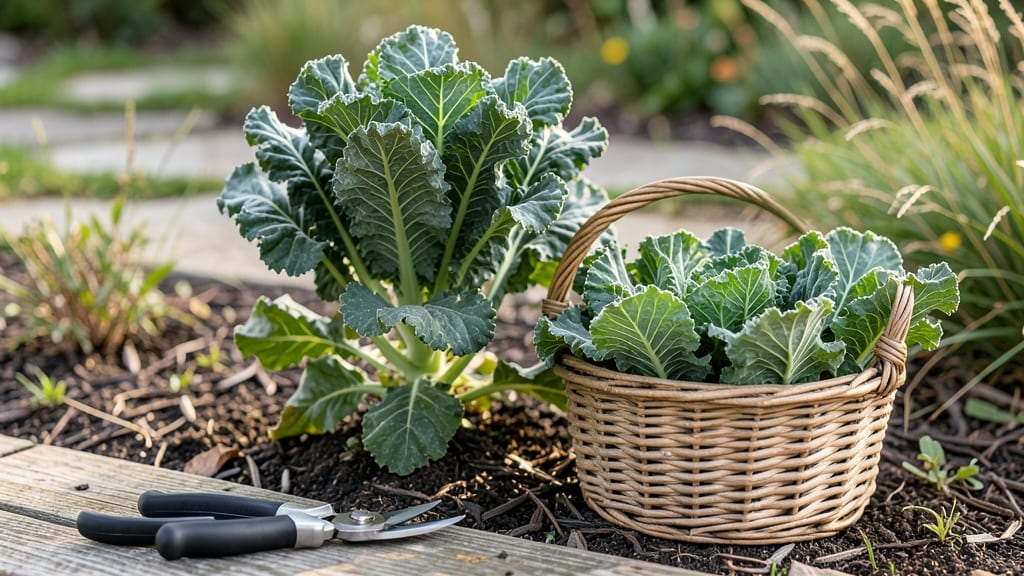
Fall veggies in season transform your garden into a crisp, flavor-packed harvest. 🌿 I still remember the first time I tasted homegrown kale straight from the garden—it was sweeter, heartier, and packed with flavor that store-bought varieties couldn’t match.
The secret lies in understanding which crops thrive as temperatures dip and daylight shortens.
Think beyond salads: Brussels sprouts, carrots, and pumpkins all love cooler weather, while leafy greens like spinach and Swiss chard become sweeter after a light frost. The key is timing—plant cool-season crops 8-10 weeks before your first frost, and you’ll have a steady harvest until winter sets in.
Soil prep matters too: enrich with compost and mulch to keep roots warm and moist.
You’ll end up with a garden that keeps giving long after summer’s over. Picture pulling tender carrots from crisp soil, snapping off Brussels sprouts still warm from the sun, or harvesting pumpkins that smell like autumn itself.
The flavors are richer, the yields are reliable, and you’ll save money while eating healthier.
Works for any garden size, from small urban plots to sprawling backyard beds. Whether you’re a first-timer or a seasoned gardener, these fall crops deliver foolproof results. Let’s get growing!
📚 In This Guide
- What you need
- Instructions
- Tips and common mistakes
- Wrapping up and next steps
What you need
- ● Seasonal Vegetables: Prioritize these fall stars (quantities adjust based on recipes): 1-2 lbs sweet potatoes (organic preferred for skin-on roasting)
- ● 3-4 butternut squash (medium-sized, ~2-3 lbs each)
- ● 1 bunch kale (curly or lacinato, ~8 oz)
- ● 1 lb carrots (rainbow or heirloom varieties for color)
- ● 2-3 acorn squash (or 1 large pumpkin for carving/cooking)
- ● 1 head cauliflower (or 1 lb pre-cut florets)
- ● 1 lb beets (with greens, if available)
- ● 1 pint heirloom tomatoes (late-season varieties like Brandywine)
- ● 1 bunch garlic (for roasting or sautéing)
- ● 1 lb shallots or yellow onions
- ● Storage: Paper bags (for leafy greens like kale)
- ● Plastic containers with ventilation holes (for root veggies)
- ● Cool, dark pantry space (50-60°F ideal for long-term storage)
- ● Harvesting: Pruning shears (for squash/vine veggies)
- ● Garden trowel or fork (for root vegetables)
- ● Sharp knife (8-inch chef’s knife for prep)
- ● Prep & Cooking: Cutting board (12x18 inches, bamboo or plastic)
- ● Mixing bowls (stainless steel or glass, 2-3 sizes)
- ● Colander (for washing greens/roots)
- ● Sheet pans (2 large, for roasting)
- ○ Slow cooker or Dutch oven (optional, for hearty stews)
- ○ Optional (but handy!): Food processor (for quick salsas or hummus)
- ● Mandoline slicer (for even carrot/beet slices)
- ● Vacuum sealer (to extend storage life)
- ● Thermometer (for perfect roasting temps)
- ● Knowledge: Basic knife skills (or willingness to learn!)
- ● Understanding of fall veggie storage (e.g., beets last 3+ months in sand)
- ● Logistics: Access to a farmers’ market or garden (or a willing local grower!)
- ● Time to prep veggies (batch-cooking saves time)
Step-by-Step guide to planting fall veggies in season
Here's how to plant a thriving fall garden that delivers crisp, flavorful harvests.
🌱 Step 1: Choose the Right Varieties for Fall
Fall veggies thrive when planted at the right time—typically 6-8 weeks before your first frost date. Cool-season crops like kale, spinach, carrots, and broccoli love temperatures between 45-65°F. I always pick fast-maturing varieties (look for "early" or "baby" labels) to ensure harvest before winter sets in.
Check your local frost dates and work backward. For example, if frost hits November 15, plant cool crops by September 20. This timing gives them 6-8 weeks of ideal growing conditions before cold slows them down. Avoid heat-loving crops like tomatoes or peppers—they’ll bolt or rot in fall’s chill.
🪴 Step 2: Prepare Your Soil for Cool-Season Planting
Fall soil needs to be loose, nutrient-rich, and slightly cooler than summer. I start by removing any leftover summer debris and mixing in 2-3 inches of compost (or the 5 gallons you have on hand) to replenish nutrients. Work it into the top 6 inches of soil—this ensures roots have room to spread without hitting compacted layers.
Test the soil’s moisture before planting. It should feel like a damp sponge—not soggy, not dry. If it’s too dry, water deeply 2-3 days before planting to let moisture penetrate. If it’s too wet, wait until the surface feels slightly dry to the touch. Cool-season crops hate soggy roots, which can lead to rot.
☀️ Step 3: Plant at the Correct Depth and Spacing
Follow seed packet guidelines for depth—usually 2-3 times the seed’s width. For example, carrots go ½ inch deep, while broccoli seeds need ¼ inch. I use a small trowel to make neat rows, spacing them 1-2 inches apart for easy thinning later. Overcrowding leads to weak, leggy plants.
After planting, cover seeds lightly with soil and water gently with a fine spray (not a stream). Keep the soil surface moist until germination—5-10 days for most fall crops. Watch for first true leaves (not the tiny cotyledons) to appear before thinning seedlings to 3-4 inches apart. This gives them room to grow without competing for nutrients.
💧 Step 4: Water and Maintain for a Bountiful Harvest
Fall crops need consistent moisture, but less than summer plants. Water deeply 1-2 times per week, aiming for 1 inch of water total. The best time is early morning, so foliage dries quickly and reduces disease risk. You’ll know you’re on track when the top 1-2 inches of soil stay evenly moist but not waterlogged.
Add a light layer of mulch (like straw or shredded leaves) to retain moisture and regulate soil temperature. This is especially helpful in fall, when nights get chilly. Avoid heavy mulch—just 1-2 inches is enough. Fertilize lightly with a balanced organic fertilizer (like 10-10-10) every 4-6 weeks to keep growth steady.
⏰ Step 5: Extend the Season with Protective Measures
As temperatures drop, use row covers or cold frames to shield tender crops. These create a 5-10°F warmer microclimate, letting you harvest 2-4 weeks longer into fall. I drape lightweight fabric over hoops or use clear plastic tunnels—just secure the edges so wind doesn’t tear them.
Watch for frost warnings and act fast. If frost is forecast within 24 hours, cover plants before sunset the night before. Most fall veggies can tolerate light frosts, but a hard freeze will damage them. Harvest leafy greens like spinach and kale just before frost—they’ll actually sweeten in the cold!
Tips & tricks for perfect fall veggie planting
Here's what I learned after planting fall gardens for years—these tricks will help you avoid common pitfalls and grow the best-tasting harvest.
Variety Selection: When choosing seeds, pay special attention to the "days to maturity" label. For fall planting, select varieties that mature in 50-60 days to ensure you harvest before hard frosts. I always cross-reference with my local frost date—if frost hits November 15, I aim for varieties that mature by October 20. This timing gives you a 2-3 week harvest window before winter sets in completely.
Soil Prep Pro Tip: In Step 2, when mixing in compost, I recommend adding a handful of bone meal (optional) to the 6 inches of soil. This boosts phosphorus for root development, especially for heavy feeders like broccoli and carrots. For sandy soil, add 1-2 inches more compost to improve water retention—the damp sponge texture is crucial for fall crops.
Germination Watch: During the 5-10 day germination period in Step 3, keep soil temperatures between 60-70°F for fastest sprouting. If nights get chilly, use a clear plastic dome over seedlings to trap heat. I've found that maintaining this temperature range cuts germination time by 2-3 days and prevents weak seedlings.
Frost Timing: The 24-hour frost warning in Step 5 is your cue to act. I've learned the hard way that covering plants after sunset doesn't work as well—the cold air settles at night. Instead, cover before sunset to trap the day's warmth. For leafy greens, a light frost actually enhances flavor, but a hard freeze will damage them completely.
Pro Tips for Fall Veggies In Season
- Here's what I learned after planting fall gardens for years—these tricks will help you avoid common pitfalls and grow the best-tasting harvest.
- Variety Selection: When choosing seeds, pay special attention to the "days to maturity" label.
- Soil Prep Pro Tip: In Step 2, when mixing in compost, I recommend adding a handful of bone meal (optional) to the 6 inches of soil.
Frequently asked questions
Got questions about fall veggies?
Here are answers to the most common ones—so you can make the most of your harvest!
What are the best fall vegetables to grow in my garden?
Fall veggies thrive in cooler weather! Top picks include kale, carrots, Brussels sprouts, beets, and radishes. Leafy greens like spinach and Swiss chard also love the crisp air. Check your USDA zone for exact timing—most need 60–90 days before frost!
When is the ideal time to plant fall vegetables?
Timing depends on your region, but a general rule is to plant 6–8 weeks before your first frost date. For example:
- Cool-season crops (kale, spinach): Start seeds in late summer (August–early September).
- Root veggies (carrots, beets): Sow 3–4 weeks before frost for a winter harvest.
- Brassicas (Brussels sprouts, broccoli): Plant 90+ days before frost—they sweeten in cold!
How do I store homegrown fall vegetables to last longer?
Proper storage keeps your harvest fresh! Use these tips:
- Root veggies (carrots, beets): Trim tops, store in a cool (32–40°F), humid (90–95%) place like a root cellar or fridge crisper.
- Leafy greens (spinach, kale): Wrap loosely in a damp towel and refrigerate for 5–7 days.
- Brassicas (Brussels sprouts): Trim stems, store in a paper bag in the fridge for up to 2 weeks.
What if my fall veggies bolt or turn bitter before harvest?
Bolting (premature flowering) or bitterness often happens when days get too hot or too cold or due to stress. Try these fixes:
- Shade cloth: Use 30–50% shade for greens like spinach if temps rise above 80°F.
- Consistent watering: Dry soil stresses plants—aim for 1–1.5 inches/week.
- Harvest young: Pick leafy greens early to avoid bitterness (e.g., harvest kale before frost!).
Can I substitute fall veggies for spring/summer ones in recipes?
Fall veggies often enhance dishes with their sweeter, earthier flavors. Swap them like this:
Spring/Summer Veggie
Fall Substitute
Best For
Zucchini
Butternut squash or acorn squash
Soups, roasting, or stuffing
Lettuce (butterhead)
Kale or Swiss chard
Salads, sautéing, or smoothies
Peppers (bell)
Sweet potatoes or carrots
Stir-fries, roasting, or mash
Wrapping up and next steps
Fall is the perfect time to savor the bright flavors and nutritional benefits of seasonal veggies—whether you’re growing them in your garden or picking them fresh from local farms.
From hearty squashes to crisp apples and vibrant greens, these harvest gems are packed with vitamins, fiber, and cozy comfort. Don’t let this bounty go to waste! 🍂
Ready to make the most of fall’s harvest? Start by planning a few simple recipes—think roasted root veggies, warm soups, or fresh salads—to turn your seasonal finds into delicious meals. Your taste buds (and your body) will thank you!