
Pruning
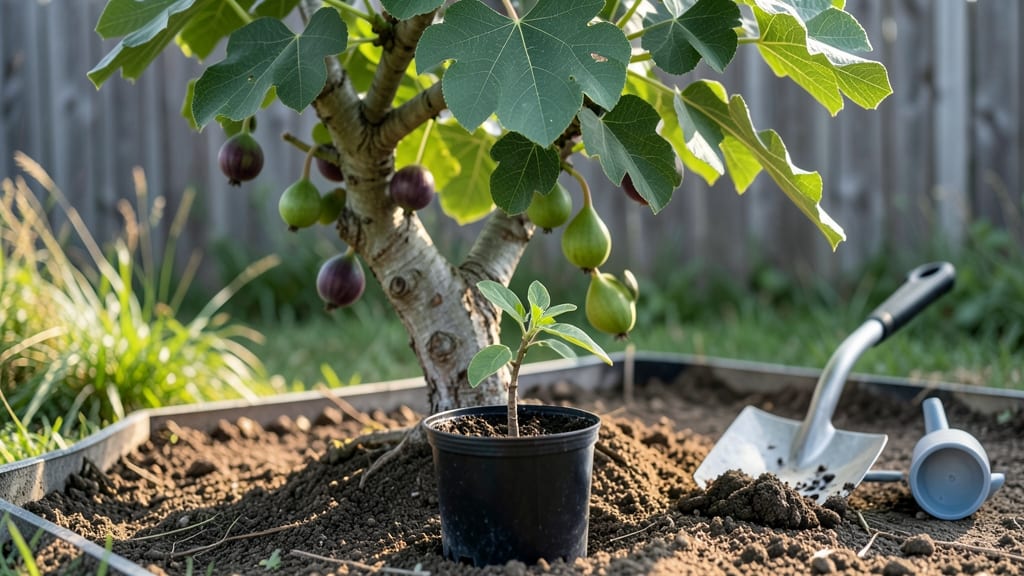
Fig trees grow best in USDA planting zones 7 through 11, where their cold tolerance ranges from 10°F (-12°C) for hardy varieties like 'Chicago Hardy' to 25°F (-4°C) for Mediterranean types. Zone 12 is the upper limit, but humidity plays a key role in their success.
Understanding your local climate is key when choosing fig varieties. 🌿 While zones 7-11 provide ideal conditions, some gardeners in zones 6 or lower still grow figs successfully using protective strategies.
The 'Celeste' variety, for instance, handles 5°F (-15°C) with proper winter care, proving that even colder regions can support these fruit trees. Humidity matters too—figs thrive in dry climates but may struggle in overly damp areas where fungal diseases can develop.
For those outside the optimal range, container gardening offers flexibility.
Moving potted figs indoors during winter can extend their lifespan significantly, while strategic planting near heat-retaining walls captures extra warmth. Microclimates created by buildings or slopes can also push a zone's limits by 1-2 degrees, creating pockets where figs might survive slightly colder nights.
💡 In This Article
- USDA Zones for Fig Trees: Cold Hardiness by Variety
- Extending Fig Tree Growth in Marginal Zones
USDA zones for fig trees: cold hardiness by variety
The USDA zone system categorizes fig trees primarily by their cold tolerance, with zone 7 marking the lower threshold for most varieties. Here's what's actually happening: fig trees experience cellular damage when temperatures drop below their variety-specific thresholds due to ice crystal formation in their vascular tissues.
The 'Chicago Hardy' variety, for example, can withstand 10°F (-12°C) because its cells contain natural antifreeze proteins that prevent ice formation until temperatures get extreme.
Different fig types show striking variations in cold resistance. Mediterranean varieties like 'Brown Turkey' typically tolerate down to 25°F (-4°C) for brief periods, while common figs ('Smyrna' types) struggle below 20°F (-7°C).
The 'Desert King' variety stands out with its ability to handle 15°F (-9°C), making it ideal for zone 6 gardens with proper protection. Coastal regions often allow figs to thrive one zone higher than inland areas due to ocean's heat-retaining properties and moderating effects on temperature swings.
What most people don't realize is how microclimates can shift these boundaries. A south-facing wall can create a 5-10°F warmer zone immediately adjacent to it, potentially allowing figs to survive one zone colder than their official rating.
This is why urban gardeners often succeed with figs in zone 6 when planted against brick walls or near pavement that absorbs and radiates heat. The key factor is creating a protected pocket where cold air doesn't pool around the tree.
Humidity plays a surprising role too. While figs prefer dry climates, excessive moisture in zones 8-11 can promote fungal diseases that weaken trees, making them more susceptible to cold damage.
The ideal scenario combines low winter humidity with moderate summer rainfall—this balance helps trees develop hardier bark while maintaining healthy growth. In humid zones, proper airflow through pruning becomes crucial for preventing winter rot.
Consider these temperature thresholds when selecting varieties:
- Zone 7-8: 'Celeste' (5°F/-15°C with protection), 'Desert King' (15°F/-9°C)
- Zone 9-10: 'Brown Turkey' (20°F/-7°C), 'Violette de Bordeaux' (22°F/-6°C)
- Zone 11-12: Mediterranean types (25°F/-4°C minimum)
The science behind these differences lies in each variety's evolutionary origins. Fig trees from colder Mediterranean regions developed natural cold resistance through gradual adaptation, while tropical varieties have delicate cellular structures that freeze at higher temperatures.
This genetic diversity means gardeners can often find a variety that thrives just outside their official zone with the right care.