
Container Gardens
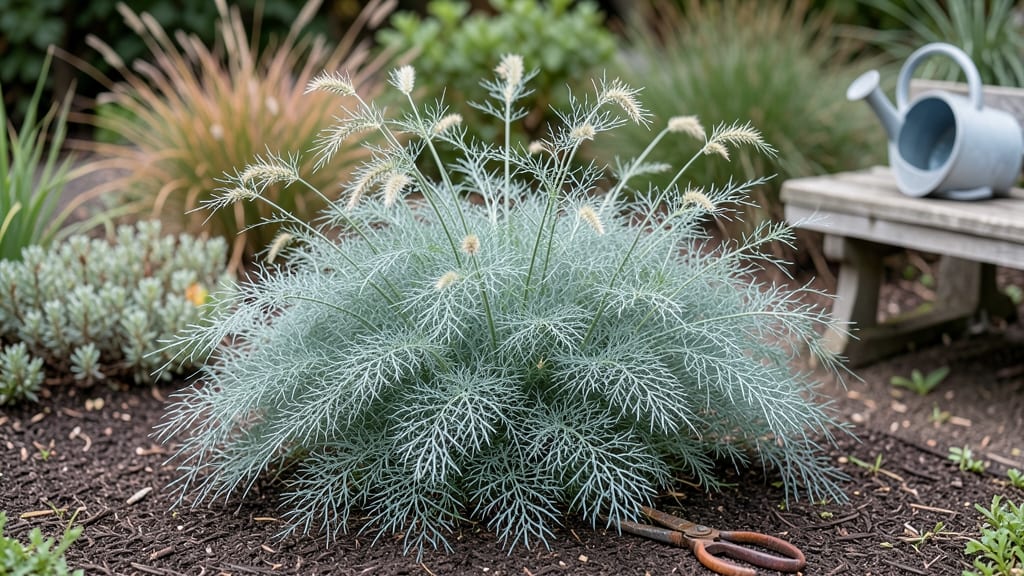
The foxtail fern growing zone spans USDA Hardiness Zones 9 through 11, where warm temperatures and high humidity create perfect tropical conditions for their lush growth. These plants need reliable warmth, partial shade, and well-draining soil to prevent rot and stay vibrant.
Foxtail ferns originate from tropical regions where temperatures rarely drop below 50°F, making them highly sensitive to frost. 🌿 Their feathery fronds thrive best in areas with 60-80% humidity, which is why coastal climates or greenhouses often produce the most dramatic growth.
If you're outside these zones, you'll need to replicate these conditions with containers and seasonal adjustments to keep them healthy year-round.
These ferns also appreciate bright but indirect light, which helps maintain their signature bright green color. Too much direct sun can scorch their delicate fronds, while insufficient light leads to leggy, sparse growth.
The key to success lies in mimicking their natural habitat—whether that means placing them in a shaded patio area or supplementing indoor light with grow bulbs during winter months.
💡 In This Article
- USDA Zones 9-11: Why Foxtail Ferns Flourish in Warm Climates
- Extending Foxtail Fern Growth Beyond Zone 11: Container Care and Seasonal Adjustments
USDA Zones 9-11: why foxtail ferns flourish in warm climates
Foxtail ferns evolved in tropical environments where temperatures hover between 65-85°F year-round, making them highly adapted to the warmth of USDA Zones 9-11. Their native habitats—think coastal rainforests and humid lowland areas—provide the perfect balance of heat and moisture.
These conditions allow their fronds to maintain a vibrant green color and grow up to 3-5 feet tall with minimal stress. The key mechanism here is their C3 photosynthesis pathway, which thrives in warm, humid climates but struggles when temperatures drop below 50°F.
The humidity factor is non-negotiable for these ferns. In their natural environment, they experience 70-90% relative humidity, which keeps their fronds plump and prevents the tips from browning—a common sign of dryness.
This high humidity also reduces transpiration rates, allowing the plant to conserve water efficiently. 🌿 In contrast, the arid conditions of Zones 7 and below force gardeners to create artificial humidity through misting systems or pebble trays.
The fern's roots also prefer well-aerated, slightly acidic soil (pH 5.5-6.5), which mimics the loose, organic substrates found in their tropical origins.
Frost sensitivity is the biggest limiting factor for foxtail ferns outside their ideal zones. Even a light frost can cause irreversible damage to their delicate fronds, which lack the protective waxy coating found on more cold-hardy plants.
The cellular damage occurs when ice crystals form within the plant tissues, rupturing cell walls and leading to browning. This is why gardeners in Zones 8 and below must either grow them as annuals or provide year-round indoor care during colder months.
Light requirements further explain their zone preferences. While they can tolerate partial shade, they need at least 4-6 hours of indirect sunlight daily to maintain their signature feathery texture. In Zones 9-11, the natural light conditions—filtered through canopy trees—perfectly match their needs.
However, in cooler zones, gardeners often face challenges with low winter sunlight, which can lead to etiolated (stretched, weak) growth if not supplemented with grow lights.
Consider this comparison: In Zone 11's 90°F+ summers, foxtail ferns grow aggressively with minimal care, while in Zone 9's 70-85°F range, they require more frequent watering and humidity control. The 15°F difference between these zones directly impacts their growth rate and overall health.
This is why even within their preferred range, microclimates matter—coastal areas in Zone 9 often perform better than inland regions due to higher natural humidity.
What most gardeners don't realize is that foxtail ferns also benefit from high atmospheric moisture found near water sources. In their native habitats, they often grow near streams or in swampy areas where evaporation rates are low.
This explains why container-grown specimens in dry climates often suffer from brown frond tips—a clear sign of insufficient humidity. 💫