
Plants
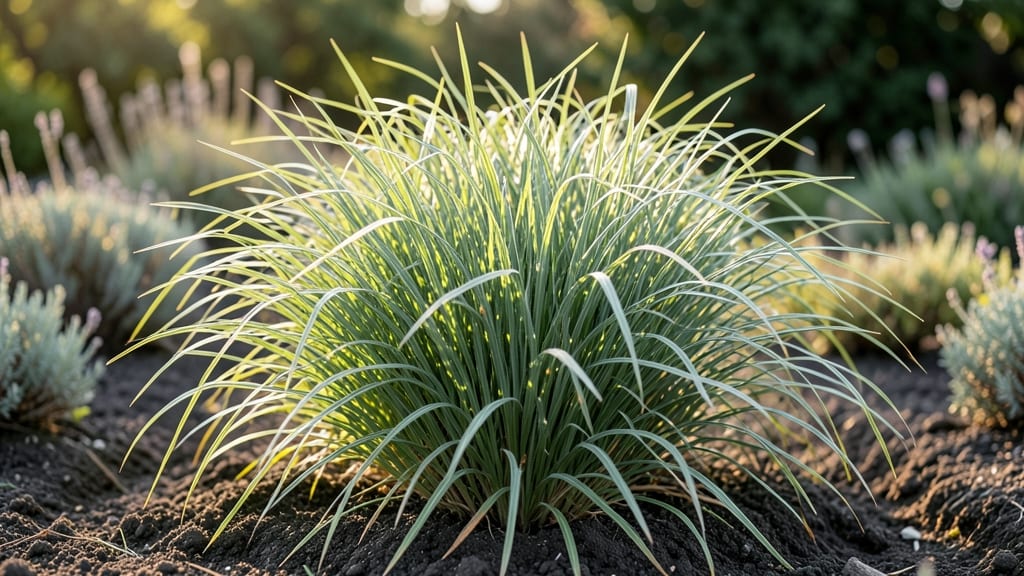
Citronella plants grow best in USDA hardiness zones 10 through 12, where they can survive winter temperatures down to 30°F (-1°C). Outside these zones, treat them as annuals or move potted plants indoors before frost.
Citronella's tropical roots make it highly sensitive to cold—anything below 30°F (-1°C) risks damaging its delicate foliage and root systems. 🌱 This is why gardeners in zones 7-9 often grow citronella in containers, allowing them to bring plants indoors during winter months.
The plant's natural habitat in Southeast Asia explains why it struggles in cooler climates, though some varieties show slightly more resilience than others.
For those in marginal zones, creating microclimates with mulch or frost cloths can help extend the growing season. I've found that placing pots near south-facing walls or under patio covers adds 5-10°F of protection during cold snaps.
The key is understanding your local frost dates and planning accordingly—citronella won't tolerate freezing, but with proper care, you can enjoy its mosquito-repelling benefits year-round.
💡 In This Article
- Understanding Citronella Plant Cold Tolerance Limits
- How to Extend Citronella Growth in Non-Native Zones
Understanding citronella plant cold tolerance limits
Citronella's cold sensitivity stems from its tropical origins in Southeast Asia, where temperatures rarely drop below 50°F (10°C). The plant's cellular structure contains high moisture levels in its leaves and stems, which freeze and rupture at 30°F (-1°C)—the threshold where ice crystals form within plant tissues.
This damage occurs because citronella lacks the antifreeze proteins found in hardier plants like roses or lavender, making its vascular system particularly vulnerable to frost.
The roots are even more delicate—they begin to suffer irreversible damage when soil temperatures fall below 45°F (7°C). In USDA zones 10-12, where winter lows typically stay above 30°F (-1°C), citronella can overwinter safely in the ground.
However, in zone 9, where temperatures can dip to 20°F (-6°C), even a single night below 30°F (-1°C) can kill the plant. The key difference lies in nighttime temperatures: zones 10-12 average 50-60°F (10-15°C) winters, while zone 9 can see 35-45°F (2-7°C) lows.
What most gardeners don't realize is that citronella's growth slows dramatically below 60°F (15°C), even without frost. This is why plants in zones 7-9 often enter dormancy prematurely, losing their characteristic lemony aroma and mosquito-repelling oils.
The plant's essential oil production—what makes citronella valuable—requires consistent warmth above 65°F (18°C) to thrive. Without this, the oils become diluted, reducing effectiveness by up to 40%.
For those in marginal zones, understanding your local frost-free date is critical. The plant's life cycle accelerates in warm weather, meaning it may flower and set seed within 90-120 days of planting. This rapid growth makes it difficult to establish strong root systems before cold arrives.
In contrast, in zone 11, where winters average 55°F (13°C), citronella can grow continuously year-round, reaching heights of 6 feet with proper care.
Here's what happens at different temperature thresholds:
- Above 60°F (15°C): Optimal growth, full oil production, and mosquito-repelling effectiveness
- 50-60°F (10-15°C): Growth slows, oil production decreases by 20-30%
- 40-50°F (4-10°C): Leaves yellow, new growth stops, roots begin to suffer
- Below 30°F (-1°C): Cellular damage occurs within 2-4 hours of exposure
The science behind this involves the plant's membrane lipids, which remain fluid at warmer temperatures but solidify when cold, disrupting cellular function. This is why even brief cold snaps can be fatal—citronella lacks the adaptive mechanisms to recover from such stress. 🌱