
Tools
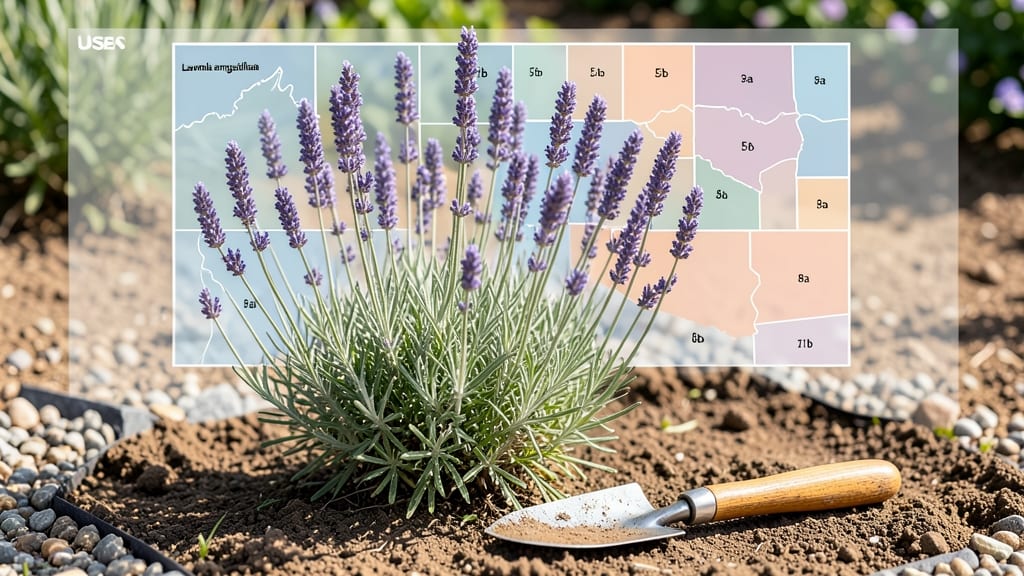
Looking up your garden zone map by zip code shows your USDA Plant Hardiness Zone, which predicts which plants survive your local winters. Simply enter your ZIP code into the USDA's interactive map or gardening apps to get precise planting recommendations instantly.
Your garden zone map by zip code isn't just about knowing where you live—it's the key to understanding what plants can survive your climate's coldest winters. 🌱 The USDA divides the country into 13 zones based on average minimum temperatures, with Zone 1 being the coldest and Zone 13 the warmest.
This system helps gardeners select perennials, trees, and shrubs that won't die from unexpected freezes. For example, a Zone 5 gardener can safely plant peonies that won't survive in Zone 3, while citrus thrives only in Zone 9 and above.
Most people discover their zone through the USDA's free online tool, but mobile apps like PlantSnap or Gardenate make it even easier. These tools also provide frost date estimates and seasonal planting windows, so you know exactly when to start seeds indoors or transplant seedlings.
I always double-check my zone by comparing the USDA map with my local cooperative extension service's data—sometimes microclimates (like urban heat islands) can shift your effective zone by a half-number.
💡 In This Article
- Understanding USDA Plant Hardiness Zones and Their Impact on Gardening
- Top Tools for Instant Garden Zone Lookup by ZIP Code
Understanding USDA plant hardiness zones and their impact on gardening
The USDA Plant Hardiness Zone Map divides North America into 13 zones based on the average annual minimum winter temperatures. Each zone represents a 10°F difference, with Zone 1 experiencing temperatures as low as -60°F and Zone 13 staying above 60°F.
This system was developed by the U.S. Department of Agriculture to help gardeners predict which plants will survive winter's coldest snaps. For example, a Zone 6 area (like Chicago) has minimum temperatures of -10°F to 0°F, while Zone 10 (like Miami) rarely drops below 30°F. 🌡️
These zones matter because plants have specific cold tolerance limits. The hardiness zone indicates the lowest temperature a plant can withstand, which is typically measured over a 30-year average. If you plant a Zone 5 perennial in a Zone 3 climate, it will likely die during winter freezes.
The map also helps determine frost dates—critical for knowing when to plant warm-season crops like tomatoes or when to protect tender plants with row covers.
For instance, in Zone 7, the last spring frost usually occurs around April 15, while Zone 9 areas may not see frost until December.
Your zone influences more than just winter survival—it affects growing seasons too. Cooler zones (Zones 1-5) have shorter growing seasons, so gardeners often start seeds indoors 6-8 weeks before the last frost date.
Warmer zones (Zones 8-13) can grow year-round, but may struggle with heat-sensitive crops like lettuce in summer.
The zone map also explains why some plants thrive in your neighbor's yard but fail in yours—even if you're just a few miles apart, microclimates can shift zones by 0.5-1 zone due to elevation, urban heat, or water bodies.
Here's what most people don't realize: the zone map is just a starting point. Factors like soil type, sun exposure, and wind patterns can create microclimates that make your garden behave like a different zone.
For example, a south-facing slope in Zone 6 might warm up enough to support Zone 7 plants.
That's why experienced gardeners often test plants in containers first—if a Zone 5 shrub survives a Zone 4 winter in a pot (which can be moved to shelter), you might get away with planting it permanently. 🌿
For accurate results, always cross-reference the USDA map with your local cooperative extension service. They often provide half-zone adjustments (like Zone 6b) based on more precise local data. Some gardening apps even let you overlay satellite imagery to see how your yard's specific conditions compare to the general zone.
This level of detail helps explain why your Zone 7 neighbor can grow citrus successfully while your yard—just down the street—struggles with the same plants.
Understanding your zone transforms gardening from guesswork to science. Once you know your numbers, you can confidently select perennials, trees, and vegetables that will thrive year after year. It's the foundation for creating a low-maintenance garden that works with your climate, not against it. 🌱