
Planting
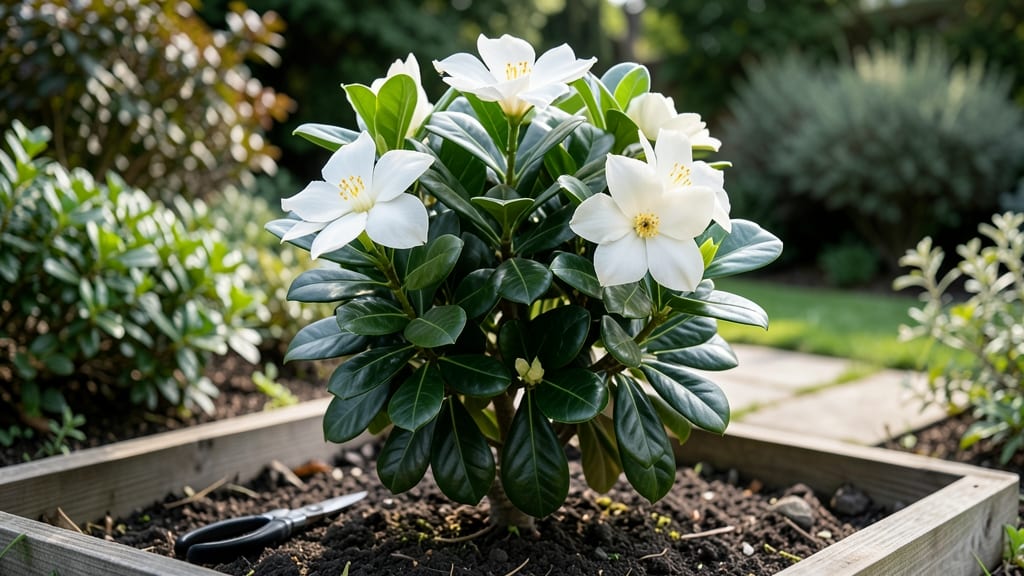
Gardenia bushes thrive best in USDA zones 8 through 11, where they naturally withstand winter temperatures above 10°F (-12°C). Outside these zones, they need extra protection or indoor care to survive freezing conditions. Strategic placement and proper winterizing can push their hardiness just beyond these natural limits.
Gardenia bushes are tropical plants at heart, so they struggle when temperatures dip below 32°F (0°C). 🌱 The real danger starts when frost hits—the delicate leaves and stems can suffer permanent damage, while roots become vulnerable to freezing.
In marginal zones like 7 or 8, gardeners often use thick mulch layers or move potted gardenias indoors before the first frost. Even a few degrees of warmth can make all the difference in preserving those prized white blooms.
What's fascinating is how gardenias respond to temperature fluctuations. In warmer zones (9-11), they bloom continuously, but in cooler zones, they may enter dormancy if exposed to prolonged cold. This is why microclimates matter—placing your gardenia near a south-facing wall or under eaves can add crucial protection during cold snaps.
I've seen gardeners in zone 7 keep their bushes alive for decades by combining these strategies with careful winter care.
💡 In This Article
- How Cold Temperatures Affect Gardenia Bush Growth
- Winterizing Gardenia Bushes in Marginal Zones
How cold temperatures affect gardenia bush growth
Gardenia bushes are tropical plants, meaning their cells contain high moisture levels that freeze at 32°F (0°C), causing irreversible damage. When temperatures drop below this threshold, ice crystals form within the plant's vascular system, rupturing delicate cell walls and blocking nutrient flow.
This is why gardenias in zones 7 and below often show brown, crispy leaves after just one hard frost—it's not just surface damage, but a systemic failure of their cellular structure. 🌱
The roots are particularly vulnerable because they lack the protective bark of stems. Gardenia roots begin to suffer at 28°F (-2°C), and prolonged exposure to 20°F (-6°C) or lower can kill them entirely.
In warmer zones (9-11), where winters rarely dip below 10°F (-12°C), gardenias maintain consistent growth and blooming cycles. But in zone 8, even brief dips to 25°F (-4°C) can trigger dormancy, causing buds to drop and growth to stall until spring.
Temperature fluctuations also play a critical role. Gardenias thrive in stable 65-75°F (18-24°C) conditions, but sudden drops below 50°F (10°C) at night can shock the plant, reducing next year's bloom production by up to 40%.
This is why gardeners in marginal zones often place their plants near south-facing walls or under patio covers—these microclimates can add 5-10°F (3-6°C) of protection during cold snaps.
Here's what happens zone by zone: In zone 10, gardenias bloom year-round with minimal stress, while in zone 9 they may take a short winter break. Zone 8 gardenias often need winter protection to survive, and in zone 7, they typically require indoor overwintering.
The key difference lies in how long the plant can tolerate 32-40°F (0-4°C) temperatures—just a few hours in zone 10 might cause leaf drop, while zone 7 plants can't handle even brief exposures above freezing without protection.
What most gardeners don't realize is that gardenias don't just suffer from cold—they're also sensitive to wet cold. When frost forms on leaves, it creates tiny ice crystals that act like sandpaper, abrading the leaf surface and opening wounds for fungal infections.
This is why proper winter care isn't just about temperature control, but also about keeping foliage dry during cold periods. A simple plastic cover draped over the bush can make all the difference in preventing these secondary damages. ✨
The science behind gardenia blooming cycles is equally fascinating. In warmer zones, the plant's natural rhythm aligns with consistent warmth, producing flowers continuously. But in cooler zones, the plant may enter a semi-dormant state, conserving energy until temperatures stabilize.
This is why gardenias in zone 8 often bloom later in the season—they're waiting for the soil to warm to 60°F (15°C) before pushing new growth.