
Planting
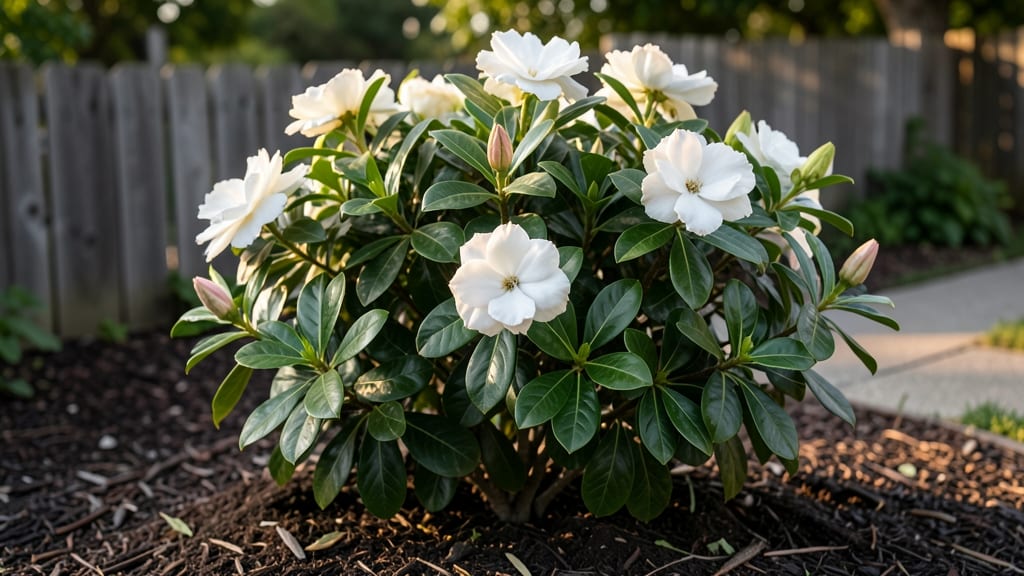
Gardenia perennials in Zone 7 face serious cold challenges, but with strategic winter care—like heavy mulching, frost blankets, and microclimate adjustments—they can endure brief dips to 10°F when fully dormant. Opt for hardier cultivars like Gardenia jasminoides ‘Radicans’ for better resilience.
Zone 7 gardenias need extra TLC because their tropical roots can't handle frost naturally. 🌱 Without protection, even a light freeze will blacken leaves and weaken stems, often killing the plant back to the ground.
The key is creating a sheltered microclimate—think thick mulch layers, windbreaks, and insulated containers for potted plants. I've seen gardeners in Zone 7b successfully overwinter theirs by combining these methods with late-season pruning to reduce cold stress on the plant's core.
What sets resilient gardenias apart is their ability to enter dormancy properly. Unlike tropical varieties that panic at 40°F, cold-hardy selections like ‘Radicans’ can handle brief cold snaps if the soil stays insulated.
The trick is monitoring soil temperature—once it drops below 35°F, it's time to pull out the frost cloths. Many gardeners swear by wrapping containers in bubble wrap for extra insulation during sudden cold snaps.
💡 In This Article
- Cold Hardiness Limits for Gardenias in Zone 7
- Winterizing Gardenias for Zone 7 Survival
Cold hardiness limits for gardenias in Zone 7
Gardenia plants originate from tropical climates where temperatures rarely drop below 50°F, making them inherently sensitive to Zone 7's winter chills. The critical threshold for damage occurs when nighttime temperatures fall below 28°F—this triggers cellular breakdown in leaves and stems, causing blackened foliage and stem dieback.
Even brief exposure to 20°F can kill gardenias back to the ground, as their delicate tissues lack the protective adaptations of native northern plants.
The root system suffers most from cold stress because frozen soil disrupts nutrient uptake and oxygen flow. When soil temperatures drop below 35°F, root activity halts completely, leaving the plant vulnerable to dehydration and disease.
This is why gardeners in Zone 7 must focus on insulating both the crown and roots—unlike hardy shrubs, gardenias can't regenerate from frozen roots. 🌱 The most cold-tolerant varieties like ‘Radicans’ can handle 10°F only when fully dormant, with protected soil temperatures above 25°F.
Visual damage appears first on leaves, which develop brown, crispy edges from frostbite. Flowers are particularly vulnerable—their delicate petals freeze and blacken even at 32°F, while buds may fail to open in spring if exposed to late frosts.
The plant's growth cycle also gets disrupted: cold snaps can delay or prevent flowering entirely, as gardenias require consistent warmth to set buds properly.
Comparing gardenias to other Zone 7 perennials highlights their fragility. While azaleas (Zone 5-9) and hydrangeas (Zone 3-9) handle frost through hardened buds and woody stems, gardenias lack these adaptations.
Their evergreen leaves act as solar panels that convert light to energy year-round, but this tropical strategy fails when temperatures plummet. The key difference lies in their inability to produce protective anti-freeze compounds found in northern plants.
Soil type plays a surprising role in cold hardiness. Sandy soils drain quickly, causing rapid temperature swings that stress roots, while clay holds moisture and insulates better.
Amending garden beds with 3-4 inches of organic mulch (like shredded bark) can raise soil temperatures by 5-10°F during cold snaps—a critical buffer for Zone 7 gardeners. The mulch layer also prevents freeze-thaw cycles that heave roots out of the ground.
What most gardeners overlook is the plant's dormancy state. Gardenias enter dormancy gradually, triggered by shorter daylight—not temperature alone. If exposed to cold before full dormancy (typically after 6-8 weeks of cooler nights), they suffer more damage.
This explains why late-season plantings often fail—young gardenias haven't had time to harden off properly before winter arrives.