
Planting
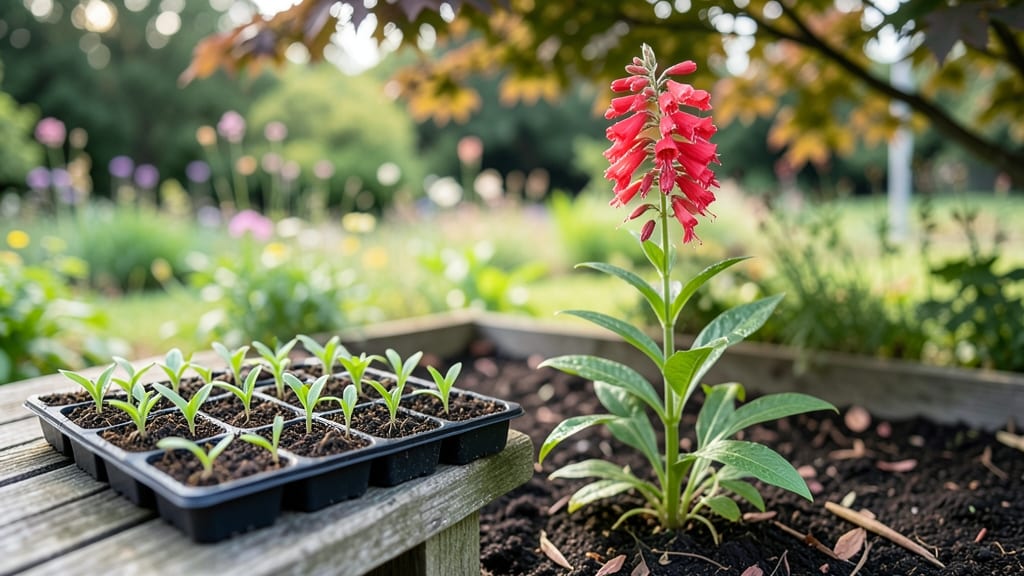
Determining the last frost date in Zone 7a is critical for planting: it generally occurs between March 15 and April 15, though exact timing depends on your microclimate. Plant frost-sensitive crops like tomatoes and peppers only after confirming a 10-day stretch with average temperatures above 32°F.
Understanding this window matters because even a late frost can devastate young plants. 🌱 The USDA Zone 7a range spans from the southern Appalachians to the Gulf Coast, where elevation and local topography create significant variations—some areas may see frost as late as May.
I always check my county's historical frost records from sources like the National Weather Service or local agricultural extensions, as these provide the most reliable data for my specific location.
For gardeners, the safest approach is to wait until two weeks after the average last frost date before planting warm-season crops.
This buffer accounts for unpredictable late frosts and gives seedlings time to establish strong roots. 🌿 If you're eager to start early, consider using row covers or cold frames to protect tender plants during the transition period.
💡 In This Article
- How to Determine Your Exact Zone 7a Last Frost Date
- Safe Planting Strategies for Zone 7a’s Frost Window
How to determine your exact Zone 7a last frost date
The USDA Zone 7a designation covers a wide geographic range where frost patterns vary dramatically. While the average last frost date hovers around March 15 to April 15, your exact timeline depends on elevation and local topography.
For example, mountainous regions in North Carolina's Blue Ridge may experience frost two weeks later than coastal areas in Georgia, even within the same zone. This variation occurs because cold air sinks and collects in valleys, while higher elevations often warm up faster during the day.
To pinpoint your specific date, start with historical climate data from sources like the National Weather Service's Frost/Freeze Maps or your local cooperative extension office. These records track the 32°F threshold over decades, showing when the last spring frost typically occurs.
For instance, Atlanta's last frost averages March 25, while Asheville's can linger until April 15 due to its higher elevation. 🌡️ Even within cities, urban heat islands can create 5-10°F warmer microclimates near downtown areas compared to rural outskirts.
For gardeners, the most reliable method combines three data points: historical averages, recent weather patterns, and real-time monitoring. I recommend checking the 10-year average from your county's records, then adjusting by 3-5 days based on recent years' trends.
For example, if your area's average is April 1 but the past three springs saw late frosts in mid-April, consider pushing your planting date to April 15 for sensitive crops like eggplants.
Technology can help too. Smart weather stations like the Davis Instruments Vantage Pro2 provide real-time frost alerts, while apps like Frost Freeze aggregate local reports. What most gardeners miss is that frost risk extends beyond 32°F—light frosts at 35°F can still damage tender seedlings.
This is why I always monitor minimum nighttime temperatures for at least 7-10 days before planting warm-season crops.
Consider these key factors when determining your exact date:
- Elevation: Add 3-5 days to average dates for every 1,000 feet above sea level
- Urban areas: Subtract 5-7 days if you're near concrete/jungle canyons
- Water bodies: Add 7-10 days if near large lakes (they moderate temperatures)
- Recent patterns: Check if your area has seen 3+ late frosts in the last decade
For the most accurate reading, observe your own garden's behavior. Mark the date when nearby trees like dogwoods or redbuds bloom—they typically flower after the last frost.
This natural indicator often aligns with when your soil warms to 50°F, perfect for planting peas and spinach. 🌸 For warm-season crops, wait until you've seen 5 consecutive days above 55°F before setting out tomatoes or peppers.