
Tools
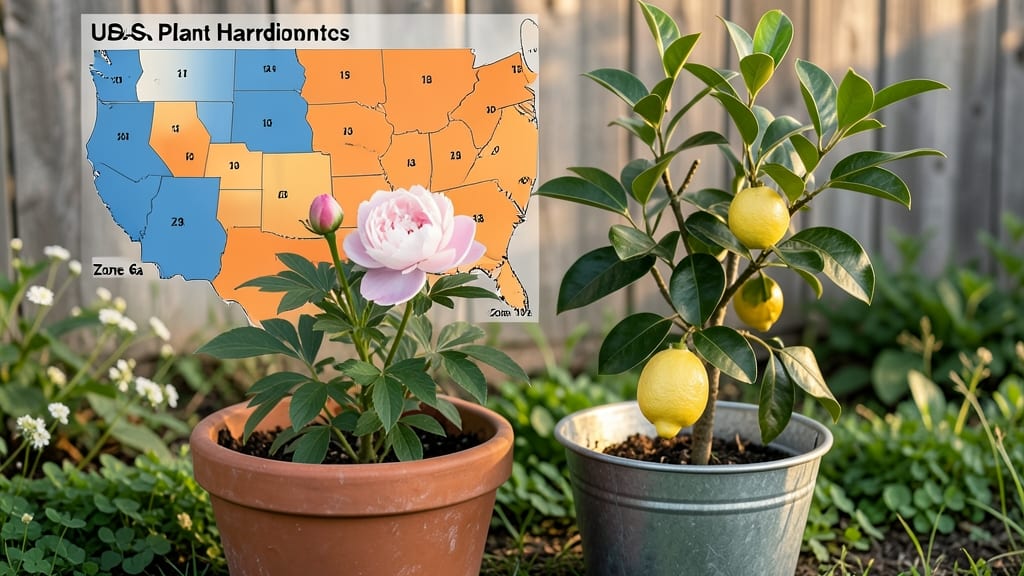
US gardening zones help you identify your area's climate range, which is crucial for selecting plants that can survive your region's coldest temperatures—from Zone 1's extreme winters to Zone 13's tropical warmth. Knowing your zone improves planting success and reduces trial-and-error gardening.
The USDA divides the country into 13 hardiness zones, each representing a 10°F temperature range based on average annual minimum temperatures. 🌡️ For example, Zone 5 endures -20°F to -10°F winters, while Zone 10 rarely drops below 30°F to 40°F.
These zones predict frost dates and growing seasons, guiding when to plant cool-season crops like lettuce versus warm-season favorites like tomatoes. Many gardeners also adjust for microclimates, such as sunny south-facing slopes that stay warmer than the official zone suggests, allowing you to push boundaries with heat-loving plants.
To find your zone, simply enter your zip code into the USDA's interactive map—it's free and takes seconds. 🌍 Once you know your zone, pair it with your last frost date (available from local agricultural extensions) to time plantings perfectly.
This system has been refined since 1960, with updates in 2012 to reflect climate shifts. The key takeaway? Matching plants to zones isn't just about survival—it's about unlocking your garden's full potential.
💡 In This Article
- How USDA Plant Hardiness Zones Work
- Finding Your US Gardening Zone: Step-by-Step Guide
How USDA plant hardiness zones work
The USDA Plant Hardiness Zone Map divides the U.S. into 13 zones based on the average annual minimum temperature—the coldest temperature expected to occur in any given year.
Each zone represents a 10°F range, with Zone 1 enduring -60°F to -50°F and Zone 13 staying above 60°F to 70°F. This system helps gardeners predict which plants can survive winter conditions in their area.
For example, a Zone 5 plant like a hardy peony can withstand -20°F to -10°F, while a Zone 9 citrus tree would freeze without protection in those temperatures. 🌡️
These zones are calculated using 30 years of climate data, updated every decade to reflect long-term trends. The most recent 2012 revision accounted for global warming, shifting zones northward by up to 2°F in some regions. This matters because plants have specific temperature thresholds for dormancy and regrowth.
For instance, a tomato plant (Zone 10+) won’t survive a 28°F frost, while a kale plant (Zone 3-9) thrives in -40°F to 30°F ranges. The map also considers frost-free days, which determine growing seasons—critical for warm-season crops like peppers.
Beyond temperature, zones indirectly influence soil conditions and rainfall patterns. Cooler zones (like Zone 4) often have shorter growing seasons and heavier clay soils, while warmer zones (like Zone 10) may have sandy, drought-prone soil.
This explains why Zone 1 gardeners rely on cold-hardy crops like potatoes, while Zone 11 growers focus on tropical fruits like mangoes. Understanding these patterns helps you avoid costly mistakes, like planting frost-sensitive plants too early in spring. 🌱
However, zones are just a starting point—they don’t account for microclimates, like a sunny wall that stays 5-10°F warmer than the surrounding area. Urban heat islands (cities) can push zones up by 1-3 degrees, while shaded valleys may drop 2-5°F colder.
For example, a Zone 6 city might have pockets where Zone 7 plants thrive. Always observe your garden’s unique conditions to fine-tune plant selection.
Another key factor is plant acclimation. Some species, like roses, can adapt to slightly colder zones if given extra mulch or winter protection. Meanwhile, others, like blueberries, are zone-specific and won’t produce well outside their ideal range.
The USDA map simplifies complex climate data into actionable advice, but real-world gardening often requires flexibility. For instance, a Zone 5 gardener might successfully grow Zone 6 lavender in a sheltered microclimate, while a Zone 9 gardener might struggle with Zone 8 figs in a frost-prone pocket.
Ultimately, zones help you match plants to their survival limits, but they’re not a rigid rulebook. The science behind them—temperature thresholds, frost dates, and soil interactions—explains why some gardens flourish while others fail.
By combining zone knowledge with local observations, you can create a resilient, thriving garden tailored to your unique conditions. 🌿