
Planting
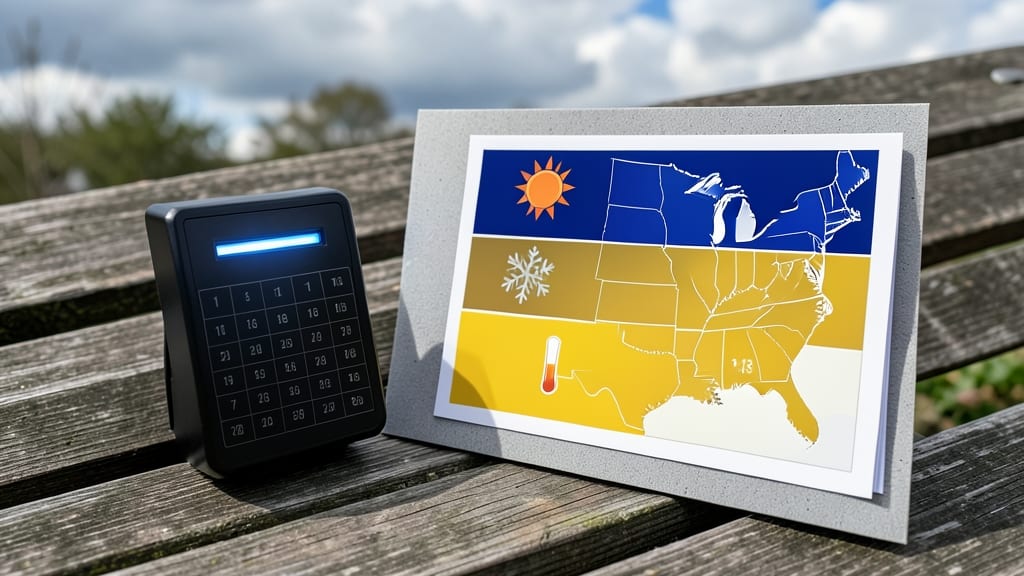
To find out what USDA planting zone you live in, use the official USDA Plant Hardiness Zone Map by entering your ZIP code or address. This tool provides precise zones based on winter low temperatures, critical for selecting cold-hardy plants.
Determining your USDA planting zone is simpler than you might think—just plug in your location to see the exact temperature range that defines your area. 🌱 The USDA system divides the country into 13 zones based on average annual minimum temperatures, which directly impacts which plants will thrive in your climate.
For instance, Zone 5 (with temps between -20°F and -10°F) supports very different plants than Zone 9 (20°F to 30°F).
While the official map is the gold standard, I always recommend cross-checking with local nurseries, as microclimates (like urban heat islands) can shift your effective zone by one or two numbers.
What makes this system so valuable is how it translates complex weather data into actionable gardening advice. Whether you're choosing perennials or planning a vegetable garden, knowing your zone helps you avoid costly mistakes like planting tender annuals too early.
Pro tip: Bookmark the map and check it before purchasing any new plants—it could mean the difference between a lush garden and a failed experiment! ⚡
💡 In This Article
- Understanding USDA Plant Hardiness Zones Explained
- Alternative Tools for Pinpointing Your Exact Gardening Zone
Understanding USDA plant hardiness zones explained
The USDA Plant Hardiness Zone Map divides North America into 13 zones based on the average annual minimum winter temperature—the coldest temperatures plants typically experience.
Each zone spans a 10°F range, with Zone 1 (-60°F to -50°F) being the coldest and Zone 13 (10°F to 20°F) the warmest.
These zones reflect the lowest temperatures plants must survive, not summer heat or rainfall, which is why a Zone 6 plant in Chicago (where winters can drop to -10°F) might struggle in a nearby Zone 6 area with milder winters due to lake effects.
What makes this system scientific is how it uses 30 years of historical temperature data from weather stations across the country. The USDA collects data from over 5,000 locations and applies complex algorithms to account for elevation, latitude, and local climate patterns.
For example, Denver (Zone 5b) sits at 5,280 feet, where temperatures drop faster than sea-level cities, while nearby Boulder (Zone 6a) benefits from slightly warmer microclimates. This is why your exact zone might differ from your neighbor’s—even within the same city block!
Zones matter because they directly influence plant survival rates. A Zone 7 plant (like hydrangeas) won’t survive a -15°F winter in Zone 5, while a Zone 3 shrub (like lilacs) would thrive.
The USDA assigns each plant a hardiness zone range (e.g., "Zones 4-8"), so you can safely grow it in your area.
For instance, peonies (Zone 3-8) are far more forgiving than camellias (Zone 7-10), which need protection from frost. 🌿 This is why gardeners in transitional zones (like 6b/7a) often use mulch or cold frames to extend growing seasons.
Here’s where things get tricky: Microclimates can shift your effective zone by one or two numbers. A south-facing wall absorbs heat, creating a Zone 8 microclimate in a Zone 7 yard.
Urban areas, with concrete and asphalt, can be 3-5°F warmer than rural zones due to the "heat island" effect. Even a 10-foot elevation change can push you into a colder zone—this is why mountain gardeners often plant one zone harder than their official zone suggests.
Another common myth is that zones are static. The USDA updates the map every 10 years to reflect climate change—since 1990, many areas have shifted one zone warmer. For example, parts of New England that were Zone 5 in 2012 are now Zone 6.
This means plants that once struggled in your area might now thrive, or vice versa for heat-sensitive varieties. Always check the latest map (currently 2023) to avoid outdated advice!
For the most accurate results, combine the USDA map with local observations. Notice which plants in your neighborhood thrive year after year—that’s your real-world zone in action. Nurseries often adjust their recommendations based on local frost dates and soil conditions, so don’t hesitate to ask experts for their insights.
After all, a Zone 7 plant might still fail in your yard if your last frost date is two weeks later than the average! ⚡