
Trees
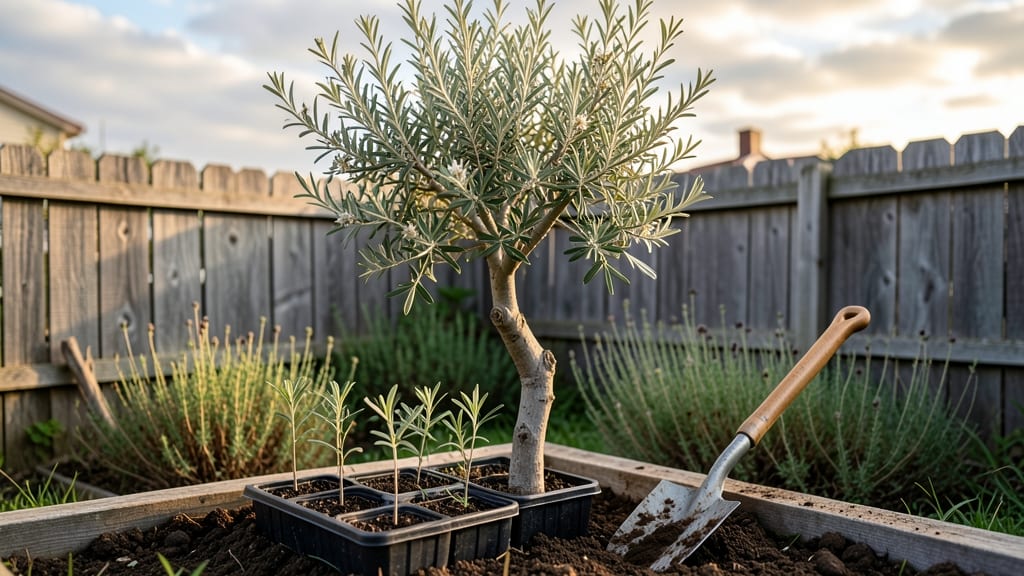
Determining the best olive tree planting zone depends on your location: these trees flourish in USDA zones 8 through 10, where temperatures rarely drop below 10°F (-12°C). Cold-resistant varieties like Arbequina can handle brief dips to 15°F (-9°C), but Mediterranean-style climates with warm, dry summers and mild winters create ideal growing conditions.
Olive trees evolved in regions where winters are cool but never harsh, making them particularly sensitive to prolonged freezing temperatures. 🌡️ The key to successful cultivation in the U.S. lies in selecting the right variety for your specific climate zone—some varieties thrive in zone 7 with proper winter protection, while others struggle even in zone 9 if humidity levels are too high.
Coastal areas often provide the best microclimates because they moderate temperature extremes and reduce frost risks that can damage young trees.
What sets Mediterranean climates apart is their combination of hot, dry summers and mild winters—conditions that olive trees naturally evolved to handle. In the U.S., California's Central Coast, Southern Florida, and parts of Texas and Georgia replicate these ideal conditions most closely.
These regions not only offer the right temperature ranges but also benefit from well-draining soils and ample sunlight, which are critical for both growth and fruit production.
💡 In This Article
- USDA Hardiness Zones for Olive Trees: Survival vs Optimal Growth
- Top US Regions for Growing Olive Trees: From California to Georgia
USDA hardiness zones for olive trees: survival vs optimal growth
The science behind olive tree cold tolerance lies in their evolutionary adaptation to Mediterranean climates. Olive trees evolved with a dormancy mechanism that allows them to survive mild winters but perish when exposed to prolonged temperatures below 10°F (-12°C).
Their roots and trunks contain water-conducting vessels that can rupture when ice crystals form, which is why even brief dips below freezing can cause irreversible damage. 🌡️ The bark's thickness provides some protection, but it's not enough to withstand extended periods of sub-freezing temperatures.
USDA zones 8-10 align perfectly with Mediterranean climates because these zones typically experience mild winters (25-40°F/-4 to 4°C) and hot, dry summers (85-100°F/29-38°C).
The key difference between survival and optimal growth lies in temperature extremes: while Arbequina varieties can handle brief dips to 15°F (-9°C), prolonged exposure to 20°F (-7°C) or lower often results in dieback.
Humidity also plays a critical role—high moisture levels during winter can lead to fungal infections that weaken trees before cold snaps arrive.
What most people don't realize is how olive trees' root systems are particularly vulnerable. The roots of young trees are shallow and sensitive to frost penetration, which is why established trees with deeper root systems (5+ years old) have a better chance of surviving colder winters.
The trunk's cambium layer, responsible for new growth, is also highly susceptible to freeze damage. This is why gardeners in marginal zones (like parts of zone 7) often use mulching (6-12 inches deep) and burlap wraps to provide additional insulation during winter.
Coastal microclimates create ideal conditions because ocean breezes moderate temperature swings. For example, San Diego's coastal areas (zone 10) experience rarely dropping below 30°F (-1°C) even in winter, while inland areas just 20 miles away can see 20°F (-7°C) nights.
This coastal advantage explains why California produces 95% of U.S. commercial olive oil—the combination of mild winters and dry summers creates perfect growing conditions without the humidity problems found in other regions.
Soil drainage becomes equally critical in colder zones. Olive trees cannot tolerate soggy conditions, which is why well-draining soils with pH between 6.0-8.0 are essential.
In areas with heavy clay soils (common in zone 7), gardeners often need to amend the soil with sand or gravel to prevent root rot during winter's wetter periods.
The root zone's temperature remains 5-10°F warmer than air temperature in winter, which is why proper soil preparation can extend a tree's cold tolerance by 2-3°F.
For those pushing the limits in zone 7, selecting cold-hardy varieties like Arbequina or Frantoio makes a significant difference. These varieties have been bred to handle shorter cold periods and recover better from freeze damage.
However, even with the right variety, gardeners must be prepared to provide emergency protection during unexpected cold snaps, such as covering the tree with frost cloth or using tree wraps to prevent trunk damage.