
Planting
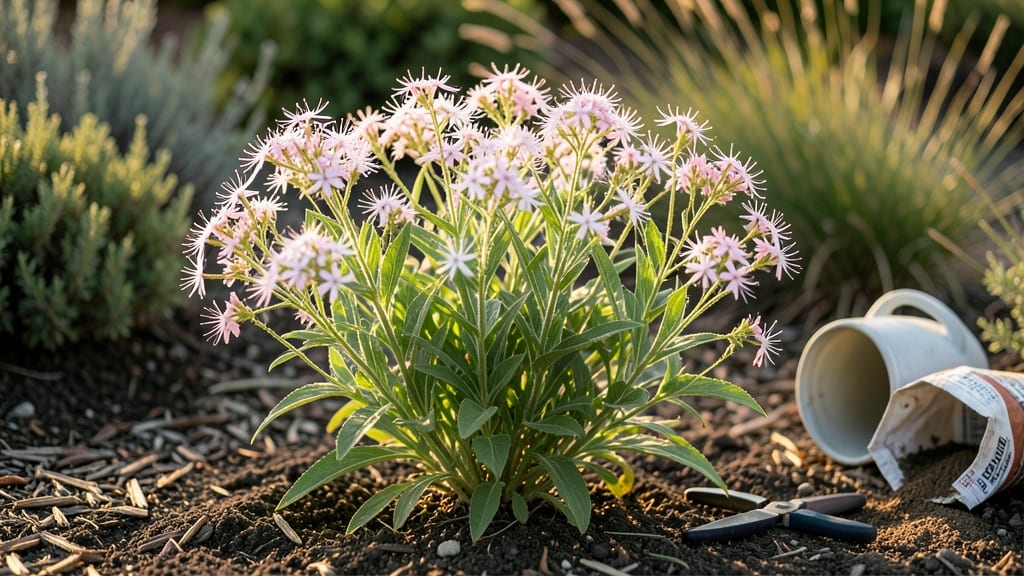
Determining the right gaura plant zone is essential since these plants flourish best in USDA zones 6 through 10, enduring temperatures as low as 0°F (-18°C) with proper winter care. Different varieties show varying resilience, with southern types often outperforming northern ones in heat tolerance.
Gaura plants are prized for their long-blooming seasons and delicate, airy flowers, but their success hinges on matching them to the right growing conditions. 🌸 In zones 6-10, they naturally thrive, but their adaptability makes them workable in slightly cooler climates with extra protection.
The key difference between northern and southern cultivars lies in their heat tolerance—some southern varieties can handle higher summer temperatures better than their northern counterparts. For gardeners in marginal zones, proper mulching and winterizing techniques can push these plants just outside their ideal range.
What sets gaura apart is its ability to handle both cold snaps and hot spells, though extreme conditions on either end can stress the plant. In colder zones, focusing on winter protection—like adding thick mulch or using frost blankets—can make all the difference.
Meanwhile, in hotter regions, ensuring good airflow and partial shade during peak afternoon heat helps maintain those signature blooms. The right gaura plant zone isn't just about hardiness; it's about creating the perfect balance for continuous color in your garden.
💡 In This Article
- USDA Zone Breakdown for Gaura Plant Survival
- Winterizing Gaura in Marginal Zones
USDA zone breakdown for gaura plant survival
Gaura's adaptability stems from its natural range spanning from the southern United States to Mexico, where it experiences both mild winters and intense summer heat.
The plant's native resilience explains why USDA zones 6-10 represent its sweet spot—these zones provide the perfect balance of 20-30°F (-7 to -1°C) winter lows and 80-95°F (27-35°C) summer highs that gaura thrives in.
In zone 6, gaura can handle the occasional 0°F (-18°C) dip with proper protection, while in zone 10, it endures summer temperatures up to 100°F (38°C) with adequate moisture. 🌡️
The plant's survival mechanism involves its semi-woody stems that store moisture and nutrients, allowing it to rebound quickly after cold snaps. However, this storage system has limits—prolonged exposure to -5°F (-21°C) or below can cause irreversible damage to the stems, even in hardy varieties.
What's fascinating is how gaura's root system often survives even when the above-ground growth dies back, enabling regrowth in spring. This explains why many gardeners in zone 5 can successfully grow gaura with winter protection—the roots act as a biological reset button.
Zone-specific growth patterns reveal why gaura blooms most prolifically in zones 7-9. In these zones, the plant experiences 120-150 frost-free days, providing ample time for continuous flowering from early summer through fall.
The cooler nights of zones 7-8 actually enhance flower production, while the intense heat of zone 10 can stress plants if they lack afternoon shade. Northern cultivars typically bloom earlier in the season to take advantage of cooler temperatures, while southern varieties often have later, more heat-tolerant blooming cycles. 🌸
Heat sensitivity becomes apparent in zones 9-10, where gaura can suffer from bud drop during 95°F (35°C)+ afternoons. The plant's delicate flowers are particularly vulnerable to heat stress, which is why many southern varieties have developed thicker, more heat-resistant blooms.
Interestingly, gaura's native Mexican relatives often grow in high-altitude regions where temperatures fluctuate dramatically between day and night—a trait that benefits gardeners in zones 7-9 who can replicate these conditions with proper watering and mulching practices.
What most gardeners don't realize is how gaura's growth habit changes with zone placement. In cooler zones (6-7), plants tend to grow more compact with shorter stems, while in warmer zones (8-10), they develop taller, more leggy growth habits.
This difference isn't just about aesthetics—it's a survival adaptation. The taller growth in warmer zones helps prevent heat damage to the lower stems, while the compact growth in cooler zones conserves energy for winter survival. 🌿
For those pushing gaura into zone 5 or cooler, understanding these growth patterns helps explain why some varieties struggle. The key is selecting cultivars bred for cold tolerance, like 'Passionate Pink' or 'Crimson Butterflies,' which have been developed specifically to handle 10-15°F (-12 to -9°C) temperatures with minimal protection.
These varieties demonstrate how plant breeding can effectively expand a species' natural growing range by just a few degrees—making all the difference for northern gardeners.