
Planting
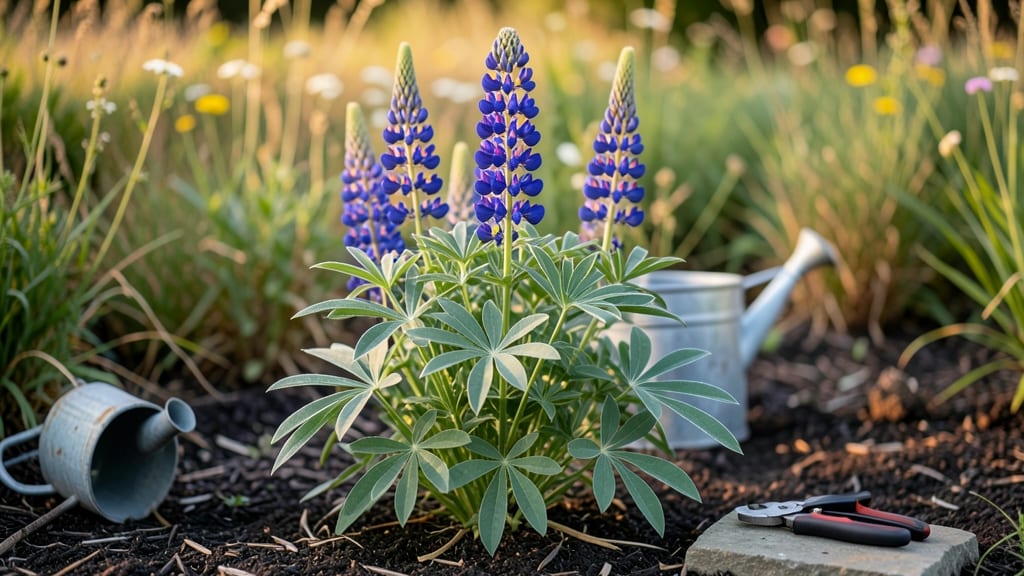
Determining the right lupine plant zone depends on your variety, as cold-hardy types like Lupinus perennis thrive in USDA zones 3-8, while tender species such as Lupinus arboreus prefer zones 9-11. Always verify your specific lupine's hardiness range before planting.
Lupines are surprisingly adaptable, with their hardiness tied directly to species-specific genetics. 🌱 The key difference lies in their winter survival strategies: cold-hardy varieties like Lupinus perennis (blue lupine) can withstand subzero temperatures, while tropical species like Lupinus arboreus (tree lupine) need consistent warmth.
Even within the same zone, microclimates—like sheltered garden spots or urban heat islands—can shift your lupine's comfort range by 2-3 zones.
For gardeners pushing boundaries, strategic planting makes all the difference. Mulching with straw or pine needles adds a 10-15°F buffer against frost, while container growing lets you move tender varieties indoors during cold snaps.
I've successfully grown Lupinus arboreus in zone 8 by overwintering pots in a garage—just remember to repot in spring before temperatures rise.
💡 In This Article
- Lupine Cold Tolerance by Species and Variety
- How to Extend Lupine Growing Zones with Gardening Hacks
Lupine cold tolerance by species and variety
The cold tolerance of lupines is primarily determined by their genetic lineage and evolutionary adaptations. For example, Lupinus perennis, commonly known as wild blue lupine, has evolved to thrive in harsh northern climates with winter temperatures dropping to -30°F or lower.
This species produces antifreeze proteins in its cells, which prevent ice crystal formation and protect its tissues during freezing conditions. In contrast, Lupinus arboreus, or tree lupine, originates from Mediterranean climates where temperatures rarely fall below 20°F, making it highly sensitive to frost damage.
Flowering in lupines is also tightly linked to temperature exposure. Most cold-hardy varieties require a period of chilling—typically 4-8 weeks at temperatures between 35-45°F—to trigger bud formation. This process is called vernalization, and it ensures lupines bloom at optimal times for pollination.
Meanwhile, tender species like Lupinus mutabilis (Andean lupine) may not need chilling at all, making them better suited for warmer climates where they can grow year-round without dormancy requirements.
The USDA zone system reflects these differences, with Lupinus perennis comfortably established in zones 3-8 and Lupinus arboreus limited to zones 9-11.
What most gardeners don't realize is that lupines exhibit varying levels of frost sensitivity even within the same species. For instance, Lupinus polyphyllus (Russian lupine) can handle light frosts down to 15°F but may suffer damage if exposed to prolonged subzero temperatures.
This is why microclimates within a single USDA zone can dramatically affect lupine survival. A sheltered garden spot might protect tender varieties from unexpected cold snaps, while exposed areas could push hardier types toward their limits. Always consider your local frost patterns when selecting lupines.
Another critical factor is soil temperature, which often lags behind air temperature. Lupine seeds need soil temperatures of at least 50°F to germinate, meaning early spring planting in colder zones may require soil warming techniques like black plastic mulch.
Once established, mature lupine plants can tolerate brief freezes, but their roots are particularly vulnerable to soil freezing.
In zones 4-6, I've found that adding a thick layer of organic mulch (like straw or wood chips) can raise soil temperatures by 5-10°F, creating a more hospitable environment for root growth during winter.
For gardeners in marginal zones, understanding these temperature thresholds helps avoid costly mistakes. For example, planting Lupinus arboreus in zone 8 without winter protection will likely result in frost damage, while Lupinus perennis might struggle in zone 9 if summer heat exceeds 95°F without adequate shade.
The key is matching your lupine variety to both winter cold and summer heat tolerances—neither should be overlooked when determining zone compatibility.
One fascinating adaptation is how lupines handle spring frost. Many cold-hardy varieties can withstand late-season frosts down to 25°F once they've established new growth. This is because their meristematic tissues (growth points) are positioned below the soil surface or protected by dense foliage.
In contrast, tender species may show signs of frost damage at temperatures as mild as 30°F, with symptoms including blackened leaves and stunted growth. Recognizing these differences helps gardeners make informed choices about which lupines to grow in their specific climate.