
Planting
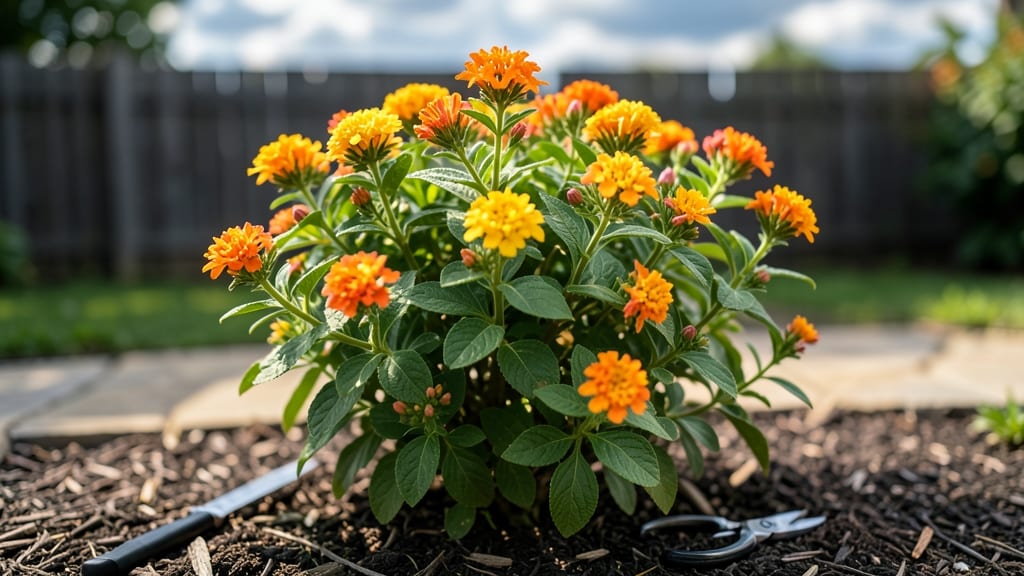
Lantana plants thrive best in USDA hardiness zones 8 through 11, where they flourish as heat-tolerant perennials. In cooler regions like zones 7 and below, they grow as annuals or need winter protection to survive. Southern states offer ideal conditions, while northern gardeners should consider container growing or indoor overwintering for these drought-resistant beauties.
Lantana's love for warmth stems from its subtropical origins, making it a standout in hot, dry climates where other plants might struggle. 🔥 The key to their success lies in their ability to handle temperatures above 90°F while conserving moisture—perfect for regions like Arizona or Georgia.
Even in marginal zones, strategic placement near south-facing walls or in containers can push their limits, though frost will always be their nemesis. What's fascinating is how their vibrant blooms actually thrive under stress, rewarding gardeners who provide the right conditions with nonstop color.
For those pushing the envelope in cooler areas, container growing isn't just a workaround—it's a game-changer. Moving pots indoors before the first frost or using frost blankets can extend the season dramatically.
I've seen lantana plants in zone 6 gardens make it through winter with proper care, proving that with the right approach, even northern gardeners can enjoy these cheerful shrubs year-round.
💡 In This Article
- Understanding Lantana’s Heat and Cold Tolerance Limits
- Best Regions and Microclimates for Growing Lantana
Understanding lantana’s heat and cold tolerance limits
The lantana's remarkable heat tolerance stems from its native habitat in tropical and subtropical regions of the Americas, Africa, and Asia. These plants have evolved to thrive in temperatures consistently above 70°F, with their optimal growth range sitting between 80-100°F.
At the cellular level, lantana develops a thick, waxy cuticle on its leaves that dramatically reduces water loss through transpiration—similar to how cacti conserve moisture in arid environments. This adaptation allows them to survive prolonged drought conditions once established, making them ideal for water-wise gardens in zones 9-11.
When temperatures dip below 32°F, lantana's growth slows dramatically, and any exposure to frost triggers immediate damage. The plant's leaves contain high levels of volatile oils that become unstable in cold conditions, causing the characteristic blackened, mushy appearance after frost.
What's particularly interesting is how lantana's root system behaves: while the above-ground portions die back in freezing temperatures, the roots often survive in well-drained soil, allowing regrowth from the base when warm weather returns.
This resilience explains why lantana can return as a perennial even in marginal zones with proper winter care.
In cooler climates, lantana's classification shifts from perennial to annual because the plant cannot withstand repeated freeze-thaw cycles. The critical threshold occurs around 25°F, where even hardened varieties begin suffering irreversible damage.
Gardeners in zones 7-8 often discover that planting lantana near south-facing walls or against dark-colored surfaces (which absorb and radiate heat) can create microclimates that extend the growing season by 2-4 weeks. These "heat pockets" can push the plant's tolerance limits by 5-10°F higher than ambient temperatures.
The plant's drought resistance works through a fascinating physiological process called "osmotic adjustment," where cells accumulate compatible solutes (like proline and sugars) that maintain turgor pressure even when soil moisture is scarce. This allows lantana to continue photosynthesis and growth during dry periods that would stress most ornamental plants.
However, this adaptation comes with a trade-off: newly planted lantana requires consistent moisture for the first 6-8 weeks to establish its root system before it can tap into these drought survival mechanisms.
For those experimenting with lantana in cooler zones, understanding the chilling injury threshold is crucial. Prolonged exposure to temperatures between 35-45°F can cause stunted growth and poor flowering, even without frost.
This is why many northern growers choose container cultivation—the ability to move pots indoors or under protective coverings during cold snaps prevents this type of damage.
The plant's remarkable ability to rebound from root damage makes it an excellent candidate for seasonal container gardening in regions where winter temperatures regularly drop below 20°F.
What most gardeners don't realize is how lantana's flowering response actually improves under heat stress. When daytime temperatures exceed 95°F, the plant shifts energy away from vegetative growth and toward flower production—a survival strategy that ensures reproduction before potential drought conditions become severe.
This biological adaptation explains why lantana often produces its most vibrant blooms during summer's peak heat, rewarding gardeners with continuous color when many other plants fade.