
Plants
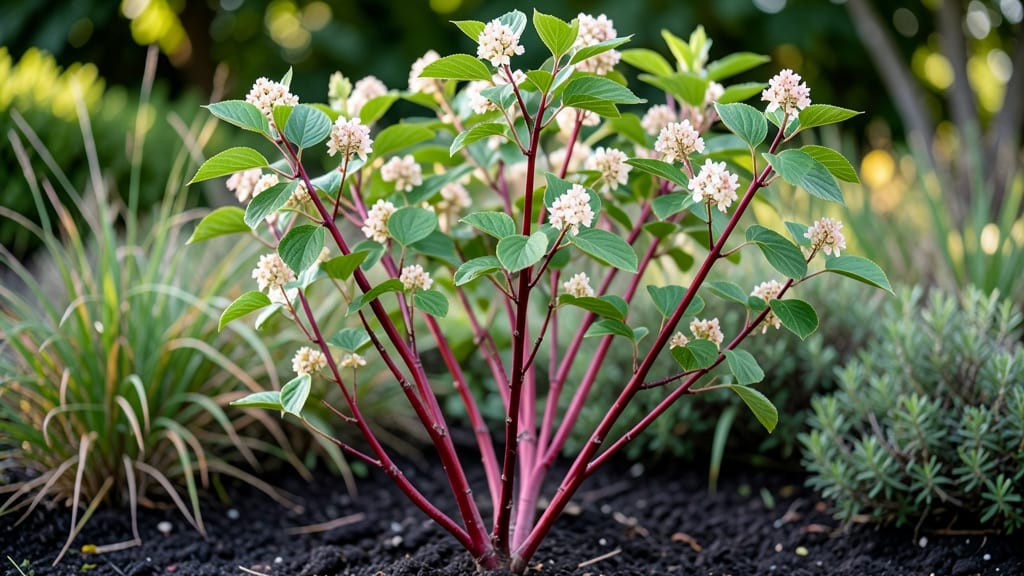
USDA Hardiness Zones 4 to 8 cover winter temperatures from -30°F to +20°F, creating ideal conditions for cold-hardy plants like azaleas, boxwoods, and peonies to survive year-round. Zone 4’s harsh winters contrast with Zone 8’s milder climate, demanding smart plant choices and seasonal care adjustments.
These zones help gardeners match plants to their climate's coldest extremes. In Zone 4, for example, evergreens like spruce thrive because they're adapted to sub-zero temperatures, while Zone 8's camellias prefer milder winters with rare frost.
Microclimates—like sunny south-facing walls—can push Zone 4 plants into Zone 5 territory, so understanding your specific conditions is key. 🌱
For practical success, focus on mulching in fall to insulate roots and use frost blankets for delicate perennials. Zone 8 gardeners should avoid heat-sensitive tropicals unless they're protected during summer heatwaves. The USDA map is just a starting point—local nurseries know which varieties perform best in your exact microclimate.
💡 In This Article
- How USDA Zones 4 to 8 Determine Plant Survival Limits
- Cold-Tolerance Tips for Gardening in Zones 4 to 8
How USDA zones 4 to 8 determine plant survival limits
The USDA Hardiness Zone system relies on the average annual minimum temperature over a 30-year period to define where plants can survive. Zone 4's -30°F to -20°F range means plants here must endure prolonged sub-zero conditions, while Zone 8's 10°F to 20°F allows for more tender species.
This 50°F difference explains why Zone 4's sugar maples thrive where Zone 8's bougainvillea would perish. 🌲
Science shows that plant cells begin freezing damage at -5°F, but hardy species like winterberry holly (Zone 3-9) produce antifreeze proteins that lower their cellular freezing point to -15°F.
Zone 8's milder winters reduce this stress, but summer heat becomes the limiting factor - some Zone 8 plants like camellias need afternoon shade to prevent leaf scorch above 90°F. Frost-free periods also vary: Zone 4 averages 120 days, while Zone 8 enjoys 240+ days.
Microclimates create exceptions to the zone map. A south-facing wall can add 2-5°F warmth, allowing Zone 5 plants to thrive in Zone 4 gardens. Wind exposure matters too - exposed sites feel 5-10°F colder than sheltered areas.
This is why nurseries recommend windbreaks for tender perennials. The zone system's 10°F increments mask these local variations, which is why gardeners should observe their site's specific conditions for 3-5 years before full commitment.
Critical temperature thresholds vary by plant type. Deciduous trees like oak can survive -25°F when dormant, but evergreens like pine need -10°F protection. Zone 8's citrus trees require 50°F minimum and must be moved indoors or heavily mulched.
These thresholds explain why Zone 5's hydrangeas often survive winters better than Zone 6's tropical hibiscus - the former is better adapted to cold snaps.
Seasonal transitions create additional stress points. Zone 4 plants face late spring frosts after buds form, while Zone 8's summer heat can stress plants acclimated to milder climates. The 10°F difference between zones translates to about 1 month of growing season - crucial for warm-season crops.
This is why Zone 8 gardeners might grow tomatoes in early spring while Zone 4 gardeners wait until after Memorial Day for safe planting. 🌱
Understanding these mechanisms helps explain why some plants thrive across multiple zones while others have narrow ranges.
The USDA's 13 zones (now 14 with Zone 14) represent gradual climate gradients, but real-world gardening requires accounting for local weather patterns, soil types, and elevation changes that can shift effective zones by half a zone or more.
This is why local nurseries often recommend plants for specific micro-zones within the broader USDA classification.