
Companion Plants
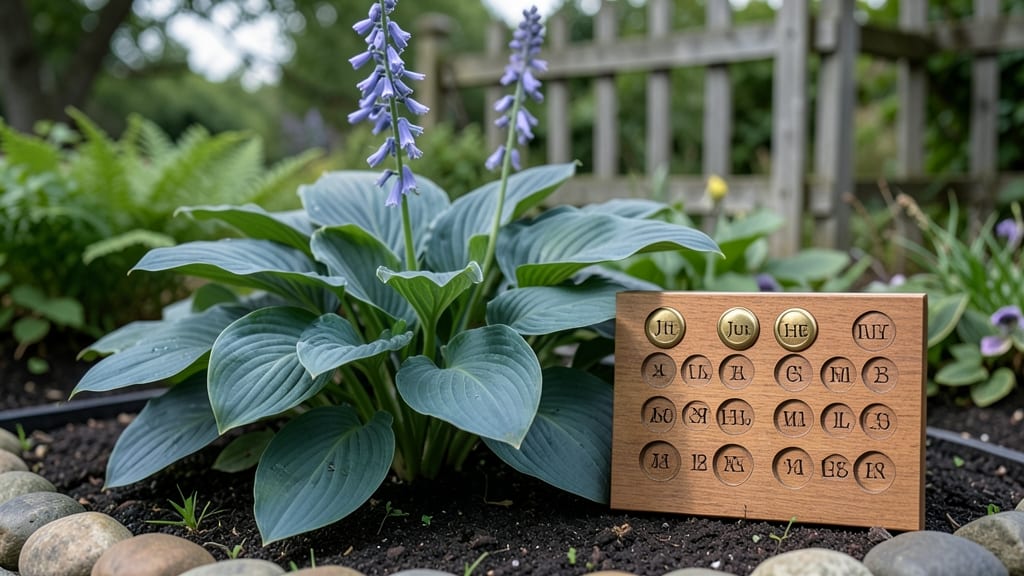
Perennial plants have unlimited growing seasons—they regrow annually from their root systems, typically lasting 3 to 5 years or longer, with some species thriving for decades under ideal conditions.
Perennials earn their name by returning year after year, but their lifespan varies wildly depending on the species and growing conditions. 🌱 The key to their longevity lies in their deep root systems, which store energy and nutrients during dormant phases.
For example, peonies can live for over 100 years with minimal care, while shorter-lived perennials like hostas may need replacement every 5-7 years. Proper soil health, watering, and seasonal adjustments like mulching in winter can extend their productive life by years.
Understanding your climate zone is crucial—hardy perennials in Zone 5 may survive decades with proper winter protection, while tender varieties in Zone 9 might only last 2-3 years without special care. The secret is matching plants to your specific microclimate and adjusting care routines accordingly.
💡 In This Article
- How Perennial Plant Life Cycles Work Across Seasons
- Climate Zones and Perennial Plant Longevity
How perennial plant life cycles work across seasons
Perennial plants rely on a sophisticated biological strategy called dormancy to survive multiple growing seasons. During winter or dry periods, they enter a resting phase where metabolic activity slows dramatically, conserving energy in underground storage organs like rhizomes, tubers, or crowns.
For example, peonies store nutrients in thick, fleshy roots that can remain viable for over a century, while hostas use their rhizomes to regenerate each spring.
This dormancy is triggered by specific environmental cues—typically shorter daylight hours and cool temperatures—which signal the plant to shift from growth to survival mode.
The root system acts as the plant's energy bank, storing carbohydrates like starch and sugars produced during the growing season. When temperatures rise and daylight increases in spring, these stored reserves fuel new leaf and stem growth.
Some perennials, like asparagus, can live for decades because their roots develop specialized tissues that resist decay and disease. The trade-off is that older roots may become less efficient at nutrient absorption over time, which is why many gardeners divide clumps every 3-5 years to rejuvenate growth.
Not all perennials have equal longevity—this is where the distinction between short-lived and long-lived varieties comes into play. For instance, biennials like foxgloves complete their life cycle in two years, while true perennials like lavender or catmint can thrive for 10+ years with proper care.
The difference lies in their root structure and ability to regenerate. Long-lived perennials often have deep taproots that access moisture and nutrients from lower soil layers, giving them a competitive advantage in harsh conditions.
Seasonal adaptation processes are fascinating to observe. In early spring, perennials like bleeding heart produce new shoots from their crowns while old foliage from the previous year may still be visible. This layered growth pattern allows them to maximize sunlight capture while conserving energy.
Meanwhile, summer-blooming perennials like coneflowers focus their energy on flower production, storing less in roots until fall. Understanding these cycles helps gardeners time pruning, fertilizing, and division for optimal plant health.
One often-overlooked factor is the plant's ability to self-prune. Many perennials naturally shed older leaves or stems to redirect energy to new growth. This is why you might see bare stems on peonies in early spring—the plant is conserving resources for its next flush of foliage.
The key takeaway is that perennials aren't just surviving multiple seasons; they're actively managing their resources to extend their productive lifespan year after year.
Consider the example of a 5-year-old daylily versus a 100-year-old peony. The daylily might produce fewer blooms in its fifth year due to root congestion, while the peony's ancient roots continue to support vibrant flowers.
This demonstrates how proper spacing, soil health, and seasonal care can dramatically influence how many growing seasons a perennial will enjoy before needing rejuvenation.