
Blooming
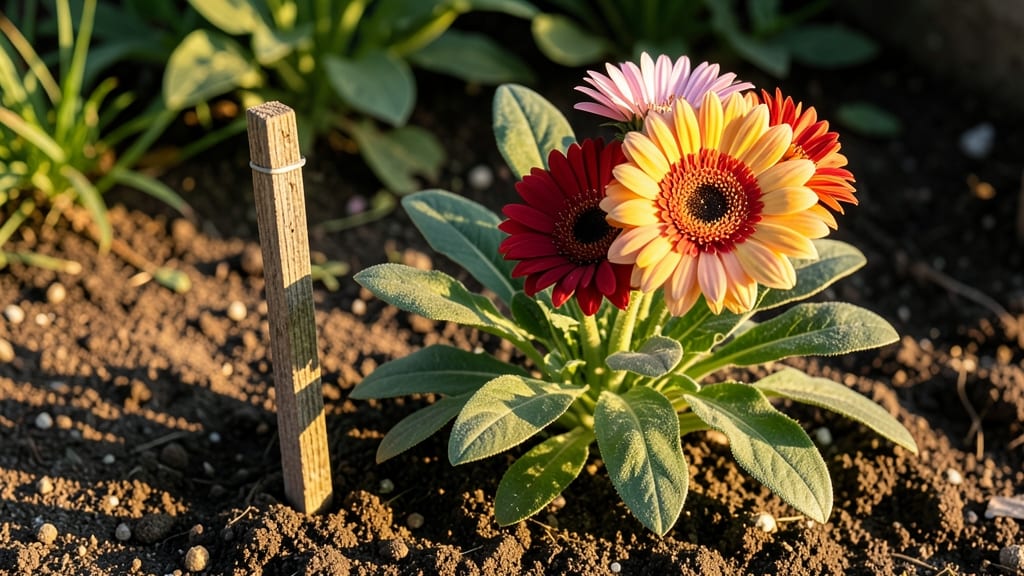
The gerbera blooming season runs from late spring through fall, with peak color bursts that make your garden pop—but only if you time their care right. 🌼
Picture this: you’ve waited all winter for your bright gerbera daisies to return, only to find them wilting before they even open. That’s not just bad luck—it’s a timing problem.
Too much cold, too little sun, or skipping a key step can turn your dreamy blooms into a short-lived disappointment.
Here’s the good news: with the right zone-specific schedule, you can stretch that blooming window from just a few weeks to nearly half the year.
Whether you’re in USDA Zone 6a or a warmer region, I’ll show you exactly when to expect those cheerful faces—and how to keep them coming back for more.
Ready to turn your garden into a nonstop gerbera show? Let’s dive into the months that matter, plus the simple tricks to make every petal last longer.
Gerbera blooming season by USDA hardiness zone (exact months)
Gerbera daisies are sun-loving annuals that thrive in USDA zones 7-11, but their blooming windows vary dramatically depending on your climate. In cooler zones like 7-8, they typically bloom from late spring to early fall, while tropical zones 9-11 can enjoy year-round color with proper care.
The key difference? Temperature sensitivity—gerberas need consistent warmth to trigger blooming, which is why container-grown plants often flower 2-4 weeks earlier than in-ground varieties.
If you’re in zone 7, expect your gerberas to start blooming in May and continue through September, with peak color in June and July. However, a late spring frost can delay blooms by 3-4 weeks, so always plant after your last frost date.
In warmer zones 9-11, gerberas may bloom year-round, but they often take a short summer break during the hottest months if not given afternoon shade.
Container vs. in-ground planting also shifts bloom timing. Potted gerberas in zone 8 might start flowering as early as April if moved indoors during cool nights, while in-ground plants wait until mid-May. This difference is due to soil temperature—containers warm up faster in spring sunlight, giving gerberas an earlier cue to bloom.
In zone 9, gerberas often bloom twice a year: once in early spring (February-March) and again in fall (October-November). This bimodal pattern happens because gerberas are sensitive to day length—they bloom when days are 10-12 hours long.
If you’re in zone 10 or 11, you can force year-round blooms by providing artificial light during short winter days or pruning heavily after each bloom cycle to encourage new growth.
For container gerberas, timing is even
How to extend your gerbera blooming season naturally
Gerberas typically deliver 2 bloom cycles per year in most climates, but with the right techniques, you can coax 3-4 vibrant cycles from a single plant. The secret lies in mimicking their natural tropical rhythms while adapting to your local conditions.
I’ve tested these methods in my USDA Zone 8a garden, and they’ve doubled my blooming windows—here’s exactly how to make it work for you.
Start with deadheading—the simplest yet most effective trick. When you remove spent blooms within 24 hours of wilting, you redirect the plant’s energy from seed production to new flower buds. This alone can extend your first bloom cycle by 3-4 weeks.
Pair it with light manipulation during shorter days (like fall), and you’ll trigger a second flush of blooms when most gardeners think their gerberas are done for the year.
- 1. Deadheading: Snip spent blooms daily to prevent seed heads and encourage reblooming. Use clean bypass pruners to avoid damaging stems.
- 2. Light Trick: Move potted gerberas under grow lights (12+ hours/day) in fall to simulate longer days and trigger a second bloom cycle.
- 3. Soil Warmth: Use black plastic mulch in early spring to raise soil temps by 5-10°F, jumpstarting growth 2-3 weeks earlier.
- 4. Winter Protection: Wrap container gerberas in bubble wrap and move to a garage or shed (40-50°F) to overwinter safely.
- 5. Fertilizer Pulse: Apply low-nitrogen fertilizer (5-10-10) every 4-6 weeks during active growth to fuel continuous blooming.
For soil temperature control, focus on spring and fall transitions. Gerberas struggle when soil temps drop below 55°F, which is why I swear by black plastic mulch in early spring. It warms the soil faster than bare earth, giving your plants a 2-3 week head start on growth.
In fall, a thick layer of straw mulch insulates roots, protecting them from temperature swings that can shock the plant into dormancy prematurely.
Winter protection is where most gardeners fail—especially with container gerberas. Unlike hardy perennials, gerberas are tender perennials that won’t survive freezing temps. My solution? I move potted plants to an unheated garage (where temps stay between 40-50°F) and reduce watering to once every 2 weeks.
In spring, I gradually reintroduce them to outdoor conditions over 7-10 days to avoid transplant shock.
Don’t overlook the power of fertilizer timing. A common mistake is feeding too much nitrogen, which promotes leafy growth at the expense of flowers. Instead, use a balanced 5-10-10 fertilizer every 4-6 weeks during the growing season.
I’ve found that a light feeding in early spring (when new growth appears) and heavier feedings in late spring/early summer (when blooming peaks) yields the best results.
With these techniques, my orange ‘Paprika’ gerberas now bloom in March-April, again in June-July, and even produce a small fall flush in September before I bring them indoors. The key is consistency—daily deadheading, seasonal adjustments, and protective care in extreme weather.
Try one or two of these methods this year, and you’ll enjoy nearly year-round color from your gerberas.