
Blooming
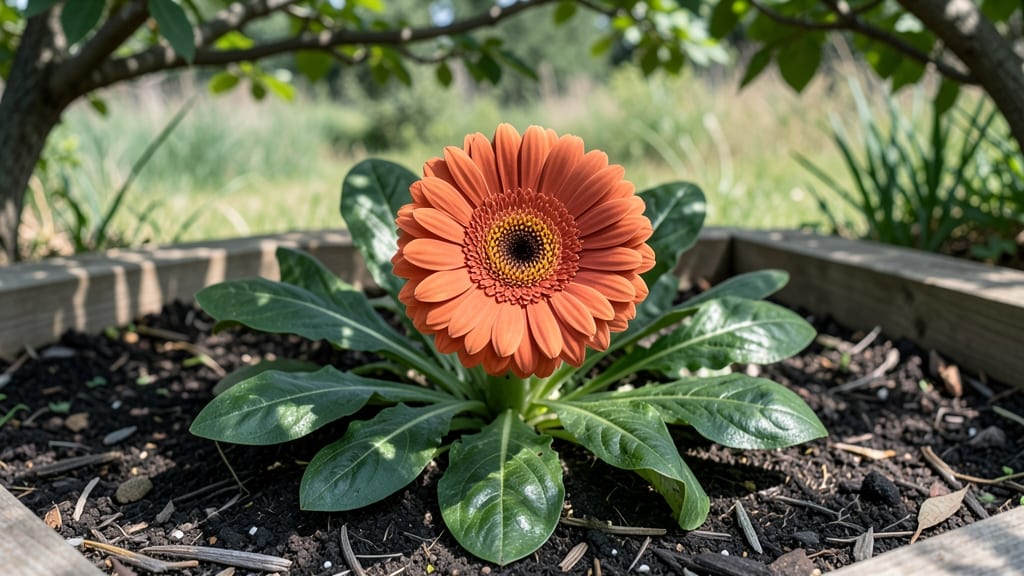
The gerbera daisy blooming season in zones like 6a runs from June through October, but your 🌼 may start earlier—or fade sooner—if you miss the light and soil triggers most gardeners overlook.
Picture this: Your neighbor’s gerbera daisies are already popping in July, while yours are still struggling to open. The difference? Six hours of direct sun and soil that’s just slightly acidic (around 6.0-6.5 pH) can shift your blooming window by 4-6 weeks. It’s not just luck—it’s science.
Whether you’re planting in spring or troubleshooting a late start, the key lies in timing your fertilizer, watering, and deadheading. I’ll walk you through the exact steps to extend that vibrant display, from Zone 6a to containers on patios.
By the end, you’ll know not just when gerbera daisies bloom, but how to force them into peak season—even if your garden isn’t the sunniest spot on the block.
When do gerbera daisies bloom naturally? Seasonal & climate-based timing guide
Gerbera daisies thrive in warm weather and typically bloom when temperatures consistently stay above 55°F (13°C). In most regions, this happens naturally during late spring through early fall, but exact timing depends heavily on your USDA hardiness zone and local climate patterns.
Understanding these factors helps you plan for vibrant blooms all season long.
The key to predicting blooming windows lies in temperature triggers and daylight hours. Gerberas need 12+ hours of sunlight daily to produce buds, and warmer soil temperatures (above 60°F/16°C) kickstart their flowering cycle. Container-grown plants may bloom 2-4 weeks earlier than ground-planted varieties due to faster soil warming.
Here’s what you need to know: In cooler zones like USDA 5-6, blooms often start in June and peak by August. Meanwhile, in warmer zones like USDA 8-10, gerberas may begin flowering as early as April and continue through October, with some varieties reblooming after deadheading.
| USDA Zone | Natural Blooming Window | Key Temperature Trigger | Container vs Ground |
|---|---|---|---|
| 5-6 | June–September | Soil >60°F (16°C) | Containers bloom 2 weeks earlier |
| 7-8 | May–October | Daytime >75°F (24°C) | Ground plants last longer |
| 9-10 | April–November | Year-round in frost-free zones | Containers need winter protection |
In USDA zones 5-6, where winters are colder, gerbera daisies often enter dormancy after the first frost. If you live in these areas, start seeds indoors in March to give them a head start.
The 12-hour daylight rule means they’ll need supplemental grow lights in early spring to trigger bud formation.
For gardeners in zones 7-8, blooming can extend into late fall if temperatures remain mild. However, a hard frost will kill the plants, so container growers should move pots indoors before the first freeze.
In these zones, gerberas often produce two bloom cycles per year—one in spring and another in fall.
If you’re growing gerberas in containers, expect blooms to arrive 2-4 weeks earlier than ground-planted varieties. This is because pots heat up faster in sunlight and provide better drainage, which gerberas love.
However, container plants also dry out quicker, so consistent watering is a must to maintain their blooming schedule.
One common misconception is that gerberas bloom only once per season. In reality, with proper deadheading and fertilization, many varieties will rebloom continuously throughout their active season. The key is to remove spent blooms weekly and apply a balanced fertilizer every 4-6 weeks during the growing season.
Temperature fluctuations can also delay or extend blooming. For example, a sudden heatwave above 90°F (32°C) may cause buds to drop prematurely, while cool evenings (60-70°F/16-21°C) encourage longer-lasting blooms.
If you notice buds forming but not opening, it could be due to insufficient sunlight or nighttime temperatures dropping below 50°F (10°C).
To maximize your gerbera daisy blooming season, plant them in full sun and avoid overwatering. Well-draining soil with a pH of 6.0-6.5 is ideal, and mulching around the base helps regulate soil temperature.
With these conditions met, you can enjoy continuous color from late spring to early fall in most climates.
For those in USDA zone 10, gerbera daisies can bloom year-round if given consistent care. However, they may enter a shorter dormant phase during the hottest months (July-August) if water is limited. Always monitor soil moisture and adjust watering to keep roots consistently moist but not waterlogged.
🌼
3 Light & soil tricks to force early or extended gerbera blooming
Gerbera daisies love showing off their vibrant colors, but they need the right conditions to keep blooming. The key to early or extended flowering lies in three simple tricks: light management, soil pH balance, and nutrient timing.
These adjustments can push your gerberas to bloom 4-6 weeks earlier or keep them flowering until late fall—even in cooler climates. Let’s dive into how to make it happen! 🌼
First, light exposure is everything for gerbera daisies. These sun-lovers need 12+ hours of bright light daily to trigger blooming. In shorter-day seasons (like fall), you can extend daylight with a simple grow light placed 12-18 inches above the plants.
For early blooms, start this trick in late winter to signal the plant that spring has arrived. Even a south-facing window can work indoors, but supplement with a LED grow bulb if natural light drops below 6 hours. ☀️
Here’s how to maximize your gerbera daisy blooming season with three proven tricks:
- 🌞 12+ Hours of Light: Use grow lights or place plants in full sun (6+ hours naturally) to trigger blooming. For early blooms, start supplementing light in late winter.
- 🌱 Soil pH 6.0-6.5: Test your soil—gerberas thrive in slightly acidic conditions. Add peat moss or sulfur to lower pH if needed.
- 💧 Nutrient Timing: Feed with balanced fertilizer (5-10-10) every 4-6 weeks during growing season. Stop feeding in fall to encourage dormancy and next year’s blooms.
Next, soil pH plays a surprising role in gerbera blooming. These plants prefer a slightly acidic soil with a pH between 6.0 and 6.5.
If your soil is too alkaline (common in many gardens), the plant will struggle to absorb essential nutrients like phosphorus and iron, which are critical for bud formation. Test your soil with a home pH kit and amend it with peat moss or sulfur if needed.
For container-grown gerberas, use a well-draining potting mix with added perlite to keep roots happy. 🪴
Don’t forget about nutrient timing, which can make or break your blooming goals. Gerberas need a balanced fertilizer (like 5-10-10) to produce vibrant, long-lasting blooms. Start feeding in early spring to encourage foliage growth, then switch to a low-nitrogen, high-phosphorus formula (like 10-20-10) once buds form.
Feed every 4-6 weeks during the growing season, but stop fertilizing in late summer to let the plant prepare for dormancy. This trick alone can extend your blooming season by 3-4 weeks! ✂️
For container gardeners, these tricks are even easier to implement. Simply move pots to a sunniest spot in your yard or balcony, use a lightweight potting mix, and fertilize regularly.
If you’re in a cooler climate, bring potted gerberas indoors near a south-facing window in fall to preserve blooms longer. With these adjustments, you’ll enjoy continuous color from early summer to late fall—or even year-round in warm regions! 🌿
Pro tip: Deadhead spent blooms regularly to encourage new flowers. This simple step signals the plant to redirect energy into producing more buds instead of seeds. Pair this with your light and soil tricks, and you’ll have gerberas blooming nonstop all season long. Happy gardening! 🌈