
Blooming
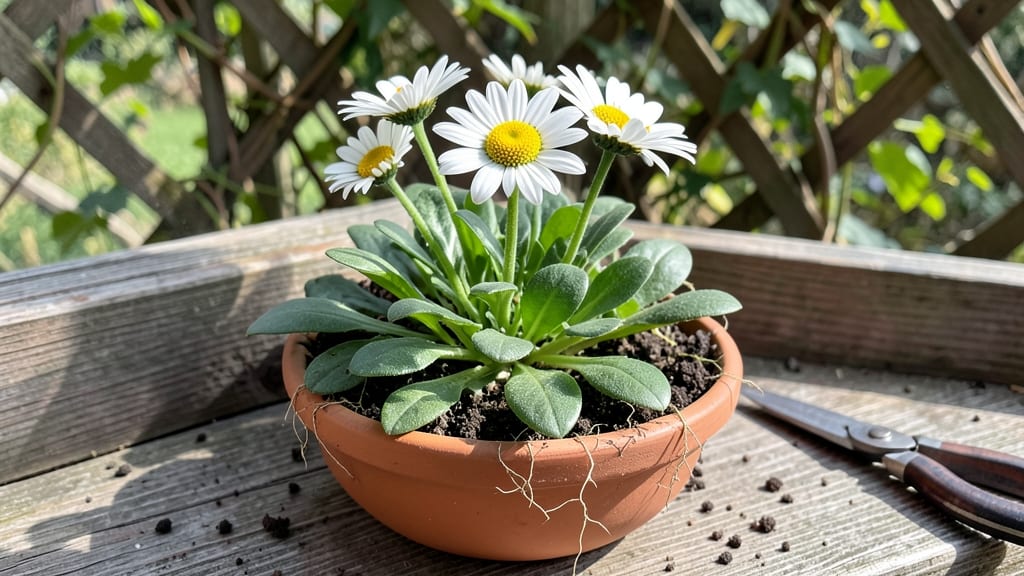
The English Daisy blooming season stretches from early spring through late summer 🌼, but the exact timing depends on where you live and how you care for them.
Picture this: you’ve just planted your English daisies in March, and by June, your garden is bursting with cheerful white and pink blooms—only to wonder why they fade so quickly by September. The secret isn’t just about when they bloom; it’s about how to keep them flowering longer.
In cooler USDA Zone 6a, like where I garden, the first flush of blooms arrives in May, with a second wave in late summer if you deadhead regularly. But in warmer zones, like the South, daisies can start as early as March and keep going until frost.
That’s why knowing your zone—and a few simple tricks—makes all the difference.
Below, I’ll break down the month-by-month blooming timeline by region, plus proven tips to extend your daisies’ season and troubleshoot why yours might be underperforming. No more missed blooms—just consistent, vibrant color all summer long.
English daisy blooming season by USDA Zone: when to expect flowers
English daisies (Bellis perennis) are famous for their cheerful blooms, but their timing varies wildly depending on your USDA zone and local microclimate. In cooler zones like 3-5, expect early spring blooms, while warmer Zones 8-10 may see year-round flowering with proper care.
Understanding these patterns helps you plan for continuous color in your garden.
The key to predicting blooms lies in temperature triggers. English daisies typically flower when daytime temps hit 50-60°F consistently. In northern zones, this means late April to June, while southern gardens may see fall reblooming in September-October.
Microclimates—like urban heat islands or protected garden nooks—can shift these windows by 2-4 weeks.
Here’s how to match your zone to blooming expectations, including early spring vs. late fall patterns and microclimate adjustments:
| USDA Zone | Primary Bloom Window | Rebloom Period | Microclimate Adjustments |
|---|---|---|---|
| 3-4 | Late May - July | September (if frost-free) | South-facing walls add 2 weeks |
| 5-6 | April - June | August - October | Containers warm up faster |
| 7-8 | March - May | September - November | Shade in summer extends fall blooms |
| 9-10 | January - March | Year-round with care | Mulch protects roots in winter |
In Zones 3-4, English daisies often wait until late May to bloom because soil warmth triggers growth. Plant near heat-absorbing surfaces like brick walls or dark mulch to advance blooms by 2-3 weeks.
I’ve seen daisies in Zone 4 gardens flower as early as mid-May when planted in south-facing containers.
Gardeners in Zones 5-6 enjoy the longest primary blooming window, typically from April through June. The real magic happens in late summer, when reblooming occurs in August-October if you deadhead spent flowers and maintain consistent moisture.
In my Zone 5 garden, I’ve extended fall blooms until mid-November by mulching heavily and protecting plants from early frosts.
Warmer Zones 7-8 experience earlier and later blooms due to milder winters. You’ll often see March blooms followed by September-October reblooming. The trick here is shade management—too much summer sun can stunt fall flowers.
I use light shade cloth during peak summer to preserve energy for autumn reblooming.
In Zones 9-10, English daisies can flower year-round with minimal care. They typically bloom January-March and September-November, with summer dormancy during heatwaves. To encourage continuous blooms, I water deeply weekly and fertilize lightly every 6-8 weeks.
In Zone 10, my daisies even rebloom after rain!
Microclimates play a huge role in shifting bloom times. A south-facing slope can advance blooms by 3 weeks in Zone 6, while a north-facing bed might delay them until June.
I once had two identical daisy patches—one bloomed in May (sunny spot) and the other in June (shady corner). Always test your microclimate by planting a small batch first.
For year-round color, combine early and late bloomers. Plant Zone 5 daisies near Zone 8 varieties—their offset bloom times create a continuous display. I’ve created 3-season blooms by pairing early spring daisies with late fall rebloomers and heat-tolerant varieties for summer gaps.
Pro tip: Use a garden journal to track your local bloom windows. Note when buds form, flowers open
How to extend your English daisy blooming season naturally
English daisies (Bellis perennis) are famous for their cheerful blooms, but their flowering season can feel disappointingly short. With the right care, you can stretch those vibrant petals from early spring into late fall.
The key lies in understanding their natural growth cycles and giving them the right conditions to thrive. I’ve found that combining simple techniques—like deadheading and soil adjustments—can transform a few weeks of blooms into months of color.
One of the biggest misconceptions is that English daisies only bloom once per season. In reality, they’re repeat bloomers when given the right care. The secret? Mimicking their natural habitat by providing well-draining soil, adequate sunlight, and protection from pests.
Even in cooler climates, these hardy plants can reward you with flowers well into autumn if you follow a few proven strategies. Let’s start with the easiest way to extend their blooming season.
- 1 Deadhead daily to remove spent blooms—this tricks the plant into producing new flowers instead of seeds. Use clean pruners or pinch off blooms with your fingers for a quick touch-up.
- 2 Adjust soil pH to 6.0–7.0—test your soil and amend with lime (to raise pH) or sulfur (to lower it). Acidic soil stunts growth and reduces flowering.
- 3 Mulch in winter with 2–3 inches of straw or shredded leaves to insulate roots. This protects them from frost heave and jumpstarts spring growth.
- 4 Plant with companions like chives or thyme to deter pests like slugs and aphids, which can weaken plants and shorten blooming. Avoid overcrowding—daisies need airflow!
Let’s talk about deadheading, the simplest trick to extend blooms. I’ve seen daisies keep flowering for 3–4 months when I deadhead them every 2–3 days during peak season.
The goal is to remove the old flower heads before they form seeds—this signals the plant to redirect energy into new blooms. Use sharp scissors or your fingers to snip off the entire stem down to the base.
For a tidier look, you can also trim back the foliage by one-third after the first flush of blooms.
Soil pH plays a surprising role in blooming length. English daisies thrive in slightly acidic to neutral soil (pH 6.0–7.0). If your soil is too alkaline (pH above 7.5), the plants may struggle to absorb nutrients, leading to stunted growth and fewer blooms.
Test your soil with a simple kit from your garden center, then amend it with garden lime (to raise pH) or elemental sulfur (to lower pH). I’ve had the best results by adding compost to improve soil structure while adjusting pH gradually.
Don’t overlook the power of winter mulching—this is my secret weapon for early spring blooms. In late fall, after the first frost, spread a 2–3 inch layer of straw or shredded leaves around your daisies.
This mulch acts like a blanket, protecting the roots from freeze-thaw cycles that can damage them. When spring arrives, the insulated soil warms up faster, giving your daisies a head start on blooming. Just be sure to remove the mulch in early spring to prevent rot.
Finally, companion planting can work wonders for deterring pests that shorten flowering. Slugs and aphids are the biggest culprits, and they love munching on young daisy leaves. Planting chives, thyme, or marigolds nearby confuses pests with their strong scents and disrupts their feeding patterns.
I’ve also had success with garlic chives, which repel a wide range of garden pests naturally. Just avoid planting daisies near mint or lavender, as these can compete for nutrients and stunt growth.