
Blooming
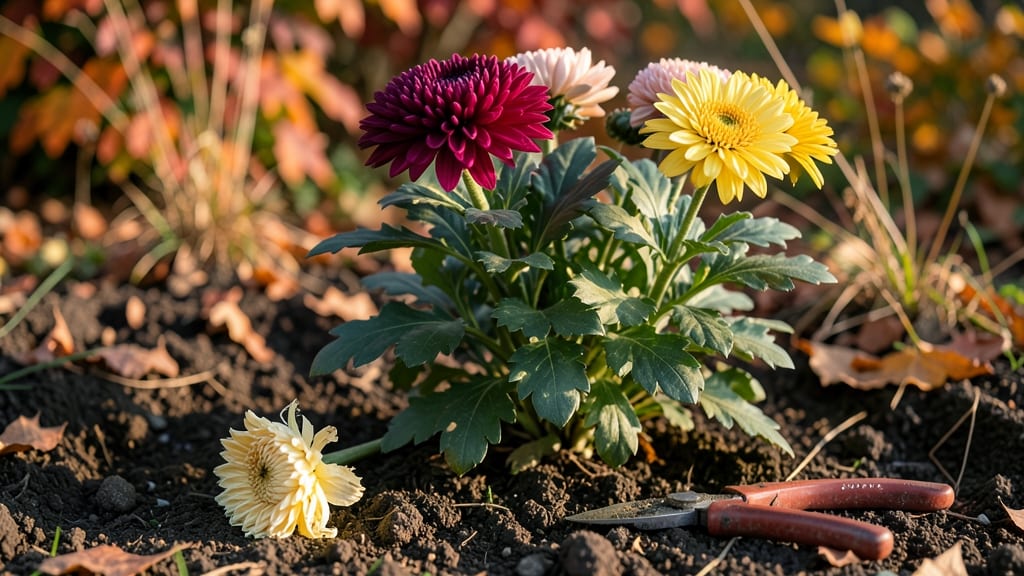
Most mums follow a natural seasonal rhythm tied to daylight changes, where they bloom in late summer or fall and then rest until the next cycle. 🌸 The key to encouraging reblooms lies in mimicking their natural conditions—like providing high-phosphorus fertilizer to support flower production and pruning spent blooms to redirect energy.
I’ve seen varieties like 'Dynasity' produce stunning second flushes when given proper care, proving that with the right approach, you can extend their flowering season significantly.
What’s fascinating is how temperature plays a role—cooler climates actually help trigger reblooming, while hot summers can stress the plant and reduce flowering. The secret is balancing moisture, nutrients, and light exposure to keep them thriving year-round.
For gardeners in warmer zones, choosing heat-tolerant varieties and providing afternoon shade can make a world of difference in achieving that lush, continuous bloom look.
💡 In This Article
- Why Most Mums Bloom Once and How to Encourage Reblooming
- Best Practices for Year-Round Mum Flowering
Why most mums bloom once and how to encourage reblooming
Most chrysanthemums follow a natural photoperiodic response, meaning their blooming cycles are triggered by decreasing daylight hours in late summer or fall. This evolutionary adaptation helps them produce vibrant flowers just before winter, when pollinators are scarce.
The plant's internal clock, regulated by a hormone called florigen, signals the transition from vegetative growth to flowering when daylight drops below 12-14 hours per day. Once they bloom, the energy expenditure is so significant that the plant enters a dormant phase until the next seasonal trigger.
However, some mum varieties have been selectively bred to defy this single-season rule. These repeat-flowering types (like 'Dynasity' or 'Matador' series) produce a secondary flush of blooms when given the right conditions.
The key difference lies in their hormonal regulation—these varieties maintain higher levels of auxin (a growth hormone) during the dormant period, allowing them to respond to subsequent daylight changes.
Pruning spent blooms 1-2 inches above a leaf node stimulates new growth by redirecting energy away from seed production, while also encouraging the release of ethylene gas, a natural flowering trigger.
Temperature plays a crucial role in reblooming success. Most mums thrive in 60-70°F daytime temperatures with cooler nights (50-55°F), which helps regulate their metabolic processes. Heat stress above 85°F can cause buds to drop or flowers to become sparse, while sudden temperature swings disrupt hormonal balance.
In warmer climates, providing afternoon shade and consistent moisture helps maintain optimal growing conditions. The secret to year-round blooms often lies in creating these ideal temperature conditions through proper site selection and seasonal adjustments.
Soil quality and nutrition are equally critical. Mums require well-draining soil with a pH between 6.0-6.5 and regular applications of high-phosphorus fertilizer (like a 10-20-10 blend) to support robust flower production. Phosphorus promotes root development and energy storage, which are essential for reblooming.
I've found that applying a slow-release fertilizer every 4-6 weeks during the growing season—paired with 1 inch of water per week—keeps plants healthy enough to produce multiple bloom cycles. The right balance of nutrients prevents the plant from becoming overburdened by excessive foliage growth at the expense of flowers.
For gardeners in cooler climates, winter protection is the final piece of the puzzle. While most mums are hardy to USDA Zone 5, providing a 3-4 inch layer of mulch around the base helps insulate roots from freezing temperatures.
In containers, moving plants to a sheltered location or wrapping pots in burlap can prevent frost damage. The key insight is that reblooming mums aren't just about forcing extra flowers—they're about creating an environment where the plant's natural rhythms can be gently nudged into a more extended cycle without stress.
What's often overlooked is the role of light intensity. While mums can tolerate partial shade, they need at least 4-6 hours of direct sunlight daily to produce abundant blooms.
In my experience, varieties like 'Bright Lights' or 'Bonanza' perform exceptionally well in full sun, while others like 'Pink Charm' may need afternoon shade in hotter regions.
The right light conditions, combined with proper pruning and fertilization, can transform a single-season bloomer into a continuous display of color that lasts well into fall—or even winter in mild climates.